The Algorithm at the Rack: How AI Is Turning Australian Op Shops Into Smart Stores
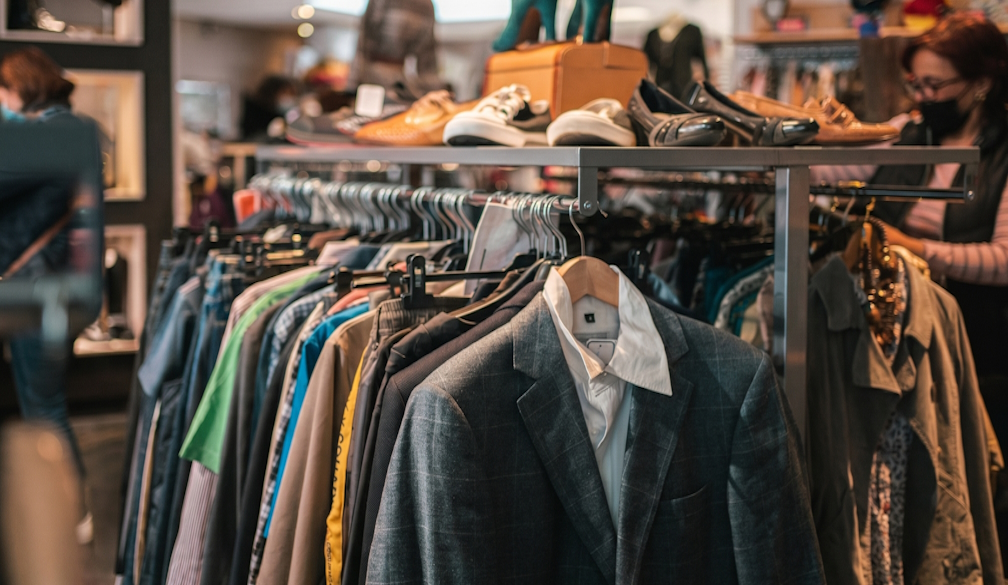
Walk into your local Salvos on a Saturday morning and it still feels gloriously analogue. Mismatched crockery. Dog-eared paperbacks. A rack of preloved dresses in every pattern imaginable, waiting for someone with a good eye and a spare twenty minutes to find them. Op shopping has always been a human pursuit — tactile, unhurried, and pleasantly unpredictable. But behind the scenes, and increasingly on the shop floor itself, artificial intelligence is starting to reshape the experience in ways that would have seemed like science fiction a decade ago.
Australia's opportunity shop industry is worth $1.4 billion and spans nearly 1,300 businesses nationwide. It has grown quietly and steadily, driven by younger generations who see secondhand shopping not as a compromise but as a preference — for sustainability, for individuality, and increasingly, for value in a cost-of-living crunch. Sixty-two percent of Australians now buy secondhand goods online, according to Statista Consumer Insights, putting the country among the highest rates in the world. The secondhand apparel market alone is projected to reach over $1 billion by 2032. This is no longer a fringe habit. It is mainstream retail. And where retail goes at scale, technology follows.
Sorting by Machine
The most immediate AI application in secondhand retail is one most shoppers never see: the back-of-house processing of donations. For large op shop networks like the Salvation Army and Vinnies, sorting through thousands of donated items daily is an enormous operational challenge. Overseas, companies like ThredUp — one of the world's largest online resale platforms — have deployed AI-powered conveyor systems that use computer vision to photograph, categorise, and grade garments automatically. Each item is assessed for brand, condition, fabric type, and estimated resale value in seconds.
Australian op shop chains have not yet adopted this at scale, but the technology is available and the economics are improving. As AI hardware becomes cheaper and the volume of donations continues to rise, automated sorting is likely to follow. The same image recognition tools being trialled in logistics warehouses across Sydney and Melbourne could soon be processing winter coats in Footscray and vintage denim in Surry Hills — tagging items, flagging high-value pieces for specialist pricing, and routing donations more efficiently than any volunteer team could manage alone.
The Price Tag Gets Smarter
Pricing in op shops has traditionally been impressionistic — a volunteer's best guess at what something is worth, applied with a sticker gun and a degree of goodwill. That approach has its charm, but it also creates inefficiency. A vintage leather jacket gets priced at $12 when it would fetch $180 on Depop. A barely-worn designer dress goes for $8 when the same item sits on a resale platform for $95. Charities lose revenue. Savvy resellers profit.
AI-driven dynamic pricing is already standard practice in mainstream Australian retail. Prices shift in real time based on demand, competitor activity, and inventory levels. Applying this logic to secondhand goods is a natural next step. Imagine a system that cross-references a donated item's brand and condition against live data from eBay, Depop, and Facebook Marketplace, then suggests an optimised price before the sticker is applied. A handful of international resale platforms are already doing exactly this. In Australia, where op shop chains are increasingly digitising their inventory, the tools to make this happen are not far off.
The Reseller Arms Race
There is, of course, a tension here. Op shopping has always attracted a subculture of resellers — people who buy low and sell high, often with considerable skill and fashion knowledge. Smartphones have accelerated this: a quick barcode scan or reverse image search can tell an experienced thrifter whether a $6 item is worth grabbing for resale within seconds. AI is supercharging this capability. Apps powered by image recognition can now identify garment brands from a photo, estimate condition, and pull current resale prices — all before a shopper reaches the counter.
For charities, this creates a real dilemma. If AI tools allow sophisticated resellers to systematically extract the highest-value items before regular shoppers can find them, the browsing experience for everyone else deteriorates — and the community benefit of op shopping begins to erode. Some shops overseas have introduced purchase limits and pricing audits in response. Australian op shop operators are watching these developments closely.
Discovery Goes Digital
Beyond the physical store, AI is transforming how Australians discover secondhand goods online. Platforms like Depop and Facebook Marketplace are leaning into recommendation algorithms that surface relevant items based on a user's browsing history, saved searches, and style preferences. The experience is beginning to resemble the curated personalisation of mainstream fashion retail — except the inventory is infinite, constantly changing, and priced by individuals rather than algorithms.
Australia Post's 2026 eCommerce Report found that six in ten Australian shoppers are now comfortable using AI, with fashion among the top categories people would consider using an AI agent to browse and buy. The implication for secondhand retail is significant: AI-powered shopping assistants that can trawl multiple resale platforms simultaneously, filter by size, condition, location, and budget, and surface the best finds — are not a distant prospect. They are close.
What Comes Next
The near future of op shopping in Australia looks something like this: donations arrive and are triaged by a computer vision system. High-value items are flagged and priced with reference to live market data. Inventory is listed online automatically, with AI-generated descriptions and condition ratings. Shoppers browse via an app that knows their size, their style, and what they paid for similar items last time.
None of this requires technology that does not already exist. It requires the will — and the funding — to deploy it in a sector that has historically operated on slim margins and volunteer labour. As AI costs continue to fall and secondhand retail continues to grow, that calculation is shifting.
The $2 rack is not going anywhere. But the algorithm is getting closer to it every year.


 Business Daily Media