Why Greener School Grounds Can Help Students Thrive
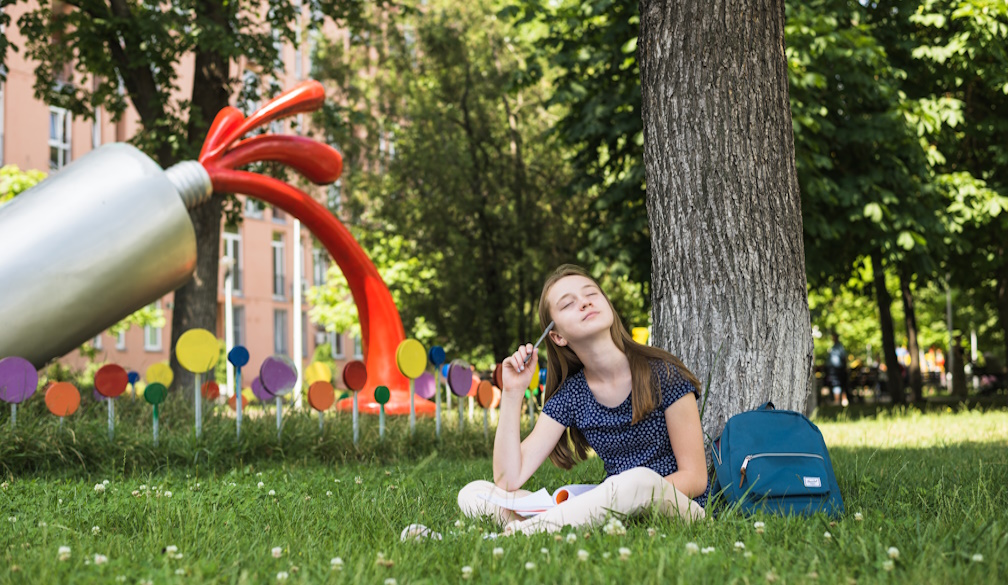
A school landscape does more than fill the space between classrooms. It shapes how students move, play, rest, gather and reset throughout the day. A well-planned outdoor area can give children somewhere to burn energy, somewhere quiet to regroup, and somewhere to connect what they’re learning inside the classroom with the world around them.
That’s why integrating nature into school landscapes is becoming such an important conversation. It’s not just about making school grounds look nicer. It’s about creating environments that support wellbeing, curiosity, creativity and healthier daily routines for students and staff.
Outdoor Spaces Can Change the Mood of a School
Anyone who has spent time in a school knows how much energy moves through the day. There are noisy transitions between classes, lunch breaks full of movement, quiet moments when students need space, and times when teachers are trying to bring focus back after a busy recess. The design of outdoor areas can either support that rhythm or make it harder.
Green spaces, shaded seating, gardens, trees, sensory areas and natural play zones can help soften the feeling of a campus. They create places where students can slow down as well as places where they can be active. This variety matters because not every child wants the same kind of break. Some need to run. Some need to sit with a friend. Some need a quieter corner away from the crowd.
When school grounds offer different types of outdoor experiences, they give students more choice in how they recharge.
Nature Encourages Curiosity Without Forcing It
A patch of garden, a row of native plants, a shaded outdoor classroom or a small habitat area can turn everyday school grounds into learning spaces. Students might notice insects, seasonal changes, textures, birds, seed pods, weather patterns or how plants respond after rain. These small observations can make science, sustainability and environmental care feel more real.
The best part is that nature doesn’t need to be overexplained to be useful. Children are naturally curious when they’re given access to interesting environments. A thoughtfully designed landscape can invite questions without making every moment feel like a formal lesson.
Outdoor learning can also suit students who struggle to stay engaged in a traditional classroom setting. Movement, fresh air and hands-on observation can make ideas feel more accessible.
Shade and Comfort Matter Too
Greener school grounds still need to be practical. In Australia, outdoor areas must account for heat, glare and sun exposure. Trees, shade structures and smart planting can make school yards more usable across more of the year, giving students genuine outdoor options rather than spaces that are avoided during warmer months.
Comfort also affects supervision and staff use. Teachers are more likely to take lessons outside, hold group activities or encourage outdoor breaks when the environment is safe, shaded and easy to manage.
Better Grounds Support Better Days
A school doesn’t need a huge campus to benefit from nature. Even smaller areas can be improved with thoughtful planting, shade, seating and flexible outdoor zones.
When students have access to greener, more comfortable school landscapes, the whole day can feel a little more balanced. The grounds become more than a place to pass through between lessons. They become part of the learning environment, the wellbeing strategy and the everyday life of the school.


 Business Daily Media