What Is SEO? A Plain English Guide for Business Owners
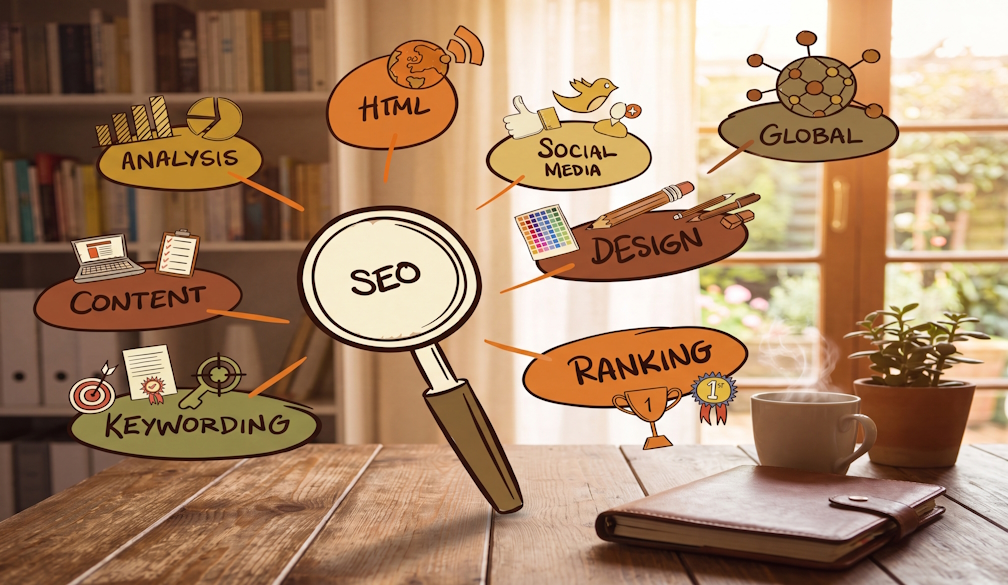
Have you ever wondered why some websites always seem to sit on the first page of Google, while others never show up at all? The businesses at the top are not there by luck. They are there because of SEO.
So, What Is SEO?
SEO stands for search engine optimisation. In simple terms, it is the practice of shaping a website so that search engines like Google understand what it offers and show it to the right people at the right time.
Every time someone searches for something online, whether it is "plumber in Melbourne" or "best running shoes for flat feet," a search engine works through an enormous library of web pages to decide which ones deserve to appear first. SEO is how a business earns its place in that lineup, without paying for an ad.
Search engines rely on three basic steps to make this happen:
- Crawling, where automated programs scan the internet and read the content on each page
- Indexing, where that content gets stored in a massive database
- Ranking, where an algorithm decides which pages best answer a person's search, and in what order
Good SEO makes it easier for search engines to crawl, index and rank a website favourably. Poor SEO, or no SEO at all, means a business can be invisible even if its products or services are excellent.
SEO Has Changed a Lot Over the Years
SEO used to be fairly simple, and a little clumsy. Businesses would stuff their web pages full of keywords, repeating the same phrase over and over in the hope that Google would notice. It often worked, but it made for terrible reading.
That approach is long gone. Search engines are far smarter now, and they reward content that is genuinely useful, well written and trustworthy rather than content that is simply keyword heavy. On top of that, artificial intelligence has changed the search landscape again. Tools like Google's AI Overviews and AI chat assistants often answer a question directly on the results page, without the person needing to click through to a website at all.
This means SEO is no longer just about ranking for a phrase. It is increasingly about being the source that AI systems trust enough to reference or recommend, which is sometimes called generative engine optimisation, or GEO. Businesses that want to stay visible need to think beyond a single search box and consider how they show up across the wider search experience.
SEO Is Not Just One Thing
Many people assume SEO means one single task, but it is really a group of related disciplines working together.
- On-page SEO covers everything on a webpage itself, including the quality of the writing, headings, page titles and meta descriptions
- Technical SEO deals with the behind-the-scenes health of a website, such as site speed, mobile friendliness and how easily search engines can crawl it
- Off-page SEO is about building trust and authority beyond the website, largely through other reputable sites linking back or mentioning the brand
- Local SEO helps businesses appear in searches tied to a specific area, such as "café near me," and relies heavily on tools like Google Business Profile
- E-commerce SEO focuses on optimising product pages, categories and structured data so online stores show up in shopping-related searches
Each type plays a different role, and a strong search presence usually needs all of them working in tandem.
Why You Need an SEO Specialist
Given how many moving parts are involved, it is easy to see why SEO can overwhelm a business owner who is already juggling day-to-day operations. An SEO specialist brings a few things to the table that are difficult to replicate without dedicated experience.
They understand how search engines actually behave, rather than relying on outdated advice found in a random online article. They know how to research the exact words and questions a target audience is using, and how to prioritise fixes that make a genuine difference instead of wasting time on minor details. They can also read the data properly, telling the difference between a strategy that is working and one that simply looks busy.
Perhaps most importantly, a specialist stays across constant change. Search engines update their systems regularly, and what worked a year ago may hold a website back today.
Steps to Try SEO Yourself
For business owners who want to get a feel for SEO before bringing in outside help, here are some manageable starting points.
- Set up free tools. Google Search Console and Google Analytics both show how a website is performing and how people are finding it.
- Research keywords. Use a free tool to understand the words and phrases customers actually search for, rather than guessing.
- Create genuinely useful content. Write pages, blog posts or guides that answer real customer questions in plain language.
- Tidy up on-page basics. Make sure titles, headings and meta descriptions are clear and reflect what is actually on the page.
- Check the technical basics. Confirm the site loads quickly and works well on mobile devices.
- Build a handful of quality links. Reach out to relevant local businesses, industry directories or partners who might link back to the site.
These steps will not turn a website into an overnight success, since SEO tends to take several months to show meaningful results. They will, however, build a solid foundation.
When It Is Time to Bring in Help
DIY SEO can absolutely get a business started, but it takes consistent time, testing and patience to do well, and even more effort to keep up with how quickly search engines and AI tools are evolving. For business owners who would rather spend that time running their business, working with a digital marketing agency can take the guesswork out of the process, save considerable time and effort, and help a brand show up where its customers are actually searching. Many agencies also offer website development alongside SEO, which means the technical foundation and the search strategy can be built together rather than as separate afterthoughts.


 Business Daily Media