How to Identify and Treat Common Lawn Weeds
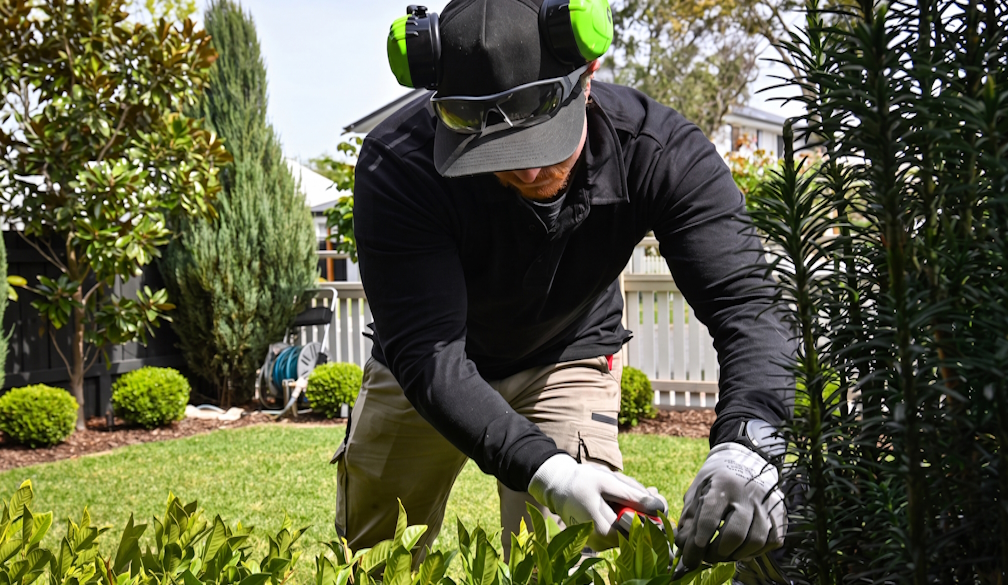
Somewhere between your last mow and your next one, a lawn can quietly change hands. One week it is even and green, and the next there are patches that feel wrong underfoot, leaves that do not match the rest, or a sudden scatter of yellow flowers you do not remember planting. Most people walk past this every day without knowing what they are actually looking at, let alone what to do about it. Once you understand the small number of categories every weed falls into, the whole problem becomes far easier to read and far easier to fix.
Key Takeaways
- Nearly every lawn weed falls into one of three groups: grassy weeds, broadleaf weeds or sedges, and each group needs a different approach.
- Weeds are not random. They move in wherever turf is thin, stressed or struggling, so a patchy lawn is often the real cause, not the weed itself.
- Correct identification comes first. Treating the wrong weed with the wrong method wastes time, money and effort.
- Timing matters as much as the treatment itself. Catching weeds while they are young gives you a much easier fight.
- A strong, dense, well fed lawn is the best long term defence, because weeds struggle to establish where turf is already thriving.
Why Weeds Show Up in the First Place
You will rarely find weeds taking over a lawn that is thick, healthy and evenly covered. They are opportunists. Wherever your turf thins out, whether from compacted soil, poor drainage, low nutrients or heavy foot traffic, weeds slip into the gap and take the resources your grass should be using.
It is also worth recognising that not every household has the time, mobility or physical capacity to stay on top of regular lawn care, and that gap is often where the first signs of a weed problem appear. For people living with disability, this is one of the reasons NDIS garden services exist, giving participants access to consistent lawn maintenance as part of their support plan rather than letting the yard fall further behind.
This is worth remembering before you reach for any treatment. A weed problem is often a symptom of a lawn health problem. You can pull or spray what is visible today, but if the underlying cause is not addressed, something else will move into the same weak spot next season.
The Three Main Types of Lawn Weeds
Almost everything you will encounter in an Australian lawn fits into one of three broad categories. Learning to sort weeds into these groups first, before worrying about exact species names, will save you a lot of guesswork.
Grassy Weeds
These are the trickiest to notice because they are trying to look like your lawn. At a glance they blend straight in, which is exactly why they often go untreated until they have spread.
- Look for blades that are a slightly different shade of green, either paler or darker than the surrounding turf.
- Check the texture. Grassy weeds are often coarser, wider or rougher underfoot than your regular grass.
- Watch growth speed. If a patch shoots up noticeably faster after mowing than the grass around it, that is a strong clue.
- Common culprits in Australian lawns include summer grass and winter grass, both of which spread quickly through seed.
Broadleaf Weeds
Unlike grassy weeds, this group makes no attempt to hide. Wide leaves, obvious flowers and a growth habit that clashes with fine turf make them the easiest weeds to spot.
- Leaves are typically broader, rounder or more irregularly shaped than grass blades.
- Many produce visible flowers, from small white blooms to bright yellow heads.
- They often grow low and spreading, forming dense patches or rosettes rather than upright blades.
- Familiar examples include dandelion, clover, bindii and oxalis, all of which favour lawns that are thin or underfed.
Sedges
Sedges are the group most people mistake for grass until they take a closer look. They tend to outgrow the lawn quickly between mows and have a distinct stem shape that gives them away.
- Stems are triangular rather than round or flat, which you can feel by rolling a stem between your fingers.
- Growth is often faster than the surrounding lawn, leaving noticeable tufts within days of mowing.
- Colour is usually a brighter, almost yellowish green compared to typical turf.
- Nutgrass is the most common sedge found in home lawns and is notoriously difficult to remove by hand alone.
How to Identify What You Are Actually Dealing With
Before you treat anything, take a slower look at what is growing. Rushing this step is one of the most common mistakes homeowners make, because the wrong treatment on the wrong weed type simply will not work.
- Get down close to the weed rather than judging it from standing height. Leaf shape and stem texture are much clearer up close.
- Note whether it is spreading in a single clump, a creeping mat or scattered individual plants.
- Check if it flowers, and if so, what colour and shape the flowers are.
- Compare its height and growth speed to the lawn around it over the course of a week.
- If you are still unsure, take a clear photo in good light. Having a reference image makes it far easier to confirm identification later or to explain the problem to someone helping you treat it.
How to Treat Common Lawn Weeds
Once you know which category you are dealing with, treatment becomes far more straightforward. The methods below apply broadly across grassy weeds, broadleaf weeds and sedges, with a few adjustments depending on the type.
- Hand pull young weeds while the soil is moist, ideally after rain or watering, so the entire root system comes out rather than snapping off at the surface.
- Use a selective treatment suited to the weed type you have identified. Broadleaf weeds generally respond to a different product than grassy weeds or sedges, so matching the treatment to the category matters.
- Treat weeds while they are young and actively growing. Mature weeds that have already set seed are far harder to control and will simply reseed the same problem.
- For sedges such as nutgrass, focus on the root system rather than the visible leaf, since regrowth from underground tubers is the main reason this weed keeps returning.
- Always follow product label directions carefully, particularly around timing, application rate and how close you can safely spray to garden beds or edible plants.
- Reassess the area two to three weeks after treatment. Some weeds need a second, lighter application before they are fully gone.
Preventing Weeds From Coming Back
Treating what you can see is only half the job. Preventing regrowth means making your lawn a harder place for weeds to establish in the first place.
- Mow at the correct height for your grass type rather than cutting too short. Taller grass shades the soil and makes it harder for weed seeds to germinate.
- Water deeply but less frequently, which encourages your grass to grow deeper roots and become more resilient than shallow rooted weeds.
- Feed your lawn on a regular schedule. A well fertilised lawn grows thick enough to crowd out new weed seedlings before they take hold.
- Aerate compacted soil, particularly in high traffic areas, since compaction is one of the main conditions that favours weed establishment over healthy turf.
- Address bare or thin patches quickly with reseeding, since exposed soil is essentially an open invitation for the next weed to move in.
When to Bring in Extra Help
Most weed problems can be managed with patience and the right timing, but some situations call for more than a weekend of effort. Large infestations, weeds that keep returning despite repeated treatment, or lawns with underlying drainage and soil issues are often signs of a deeper problem that needs a trained eye. In these cases, professional gardening services can properly diagnose what is happening below the surface and put together a treatment plan suited to your specific lawn, rather than a one size fits all approach.
Conclusion
A weed filled lawn can feel overwhelming, but the problem almost always comes down to a small set of categories and a handful of underlying causes. Once you can tell a grassy weed from a broadleaf weed from a sedge, and once you understand that thin or stressed turf is usually what invited them in, the path forward becomes much clearer. Identify carefully, treat at the right time, and focus just as much energy on building a thick, healthy lawn as you do on removing what is currently unwanted. That combination is what turns a one off weeding session into a lasting result.


 Business Daily Media