Solar Battery Storage 101: Is It Worth Adding Now or Later
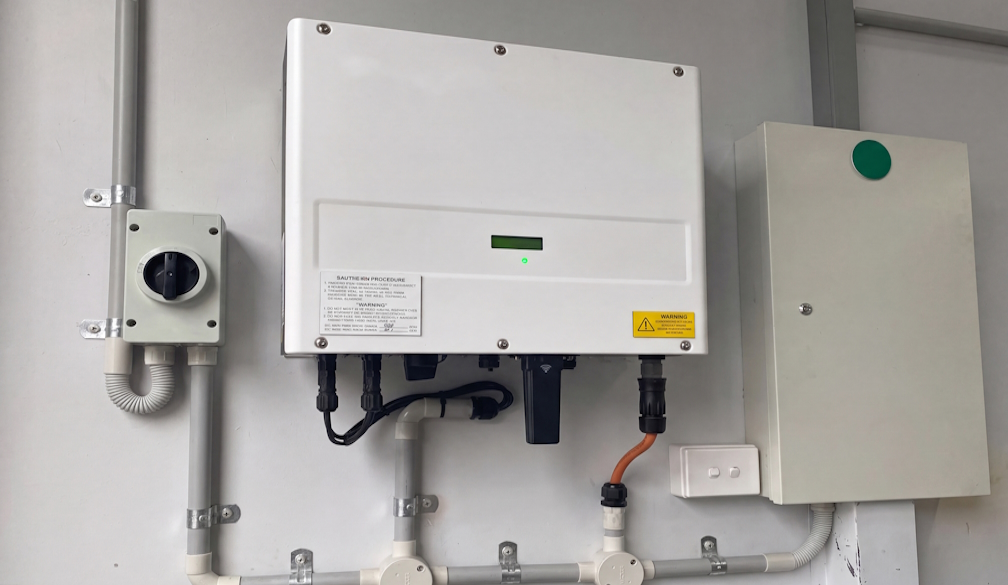
Somewhere between ten in the morning and three in the afternoon, your solar panels are probably producing more electricity than your home can use. Most of that surplus quietly disappears back into the grid for a fraction of what you would pay to buy it back a few hours later, right when you actually need it. It is one of the strangest quirks of home solar, and it is exactly the gap a battery is designed to close. Understanding how that gap works, and whether closing it is worth the cost, makes the difference between a decision based on guesswork and one based on your actual numbers.
Key Takeaways
- A solar battery stores the surplus electricity your panels generate during the day so you can use it later, instead of exporting it to the grid for a low return.
- Whether a battery is worth it depends heavily on how much electricity you use in the evening, your feed in tariff, and your household's usage pattern.
- Adding a battery at the same time as your solar panels is usually cheaper than retrofitting one later, since installation costs are shared.
- Battery lifespan is shorter than solar panel lifespan, so it is worth factoring in a possible replacement over the life of your system.
- There is no single right answer. Some households save more by going battery free and letting the grid act as backup, while others benefit hugely from storing their own power.
What a Solar Battery Actually Does
At its core, a solar battery is simply a storage unit for electricity your panels have already made. Solar panels only generate power while the sun is up, but most households use the bulk of their electricity in the morning and evening, exactly when generation is lowest. A battery bridges that mismatch. As residential solar power systems have become more common across Melbourne, this mismatch between when power is made and when it is actually used has become one of the more frequent questions homeowners raise once their panels are already up and running.
- During the day, your panels produce electricity that first covers whatever your home is using in real time.
- Any electricity left over is either exported to the grid or, if you have a battery, stored for later.
- In the evening, instead of buying electricity back from the grid, your home draws on the stored power first.
- The whole process is automated through your solar inverter, so there is no manual switching involved once it is set up.
Why You Might Want One Now
For a lot of households, adding a battery makes a genuine difference to both savings and peace of mind. The following situations tend to make the investment worthwhile sooner rather than later.
- You use a significant amount of electricity in the evening, after your panels have stopped generating for the day.
- Your feed in tariff is low, meaning you get very little credit for exporting surplus power to the grid.
- You experience regular power outages in your area and want backup power for essentials like fridges, lighting or medical equipment.
- You are planning to add an electric vehicle charger or heat pump in future, since a battery can help manage that extra load.
- You are installing solar panels for the first time, since bundling the battery into the same installation is almost always cheaper than adding one later.
Why You Might Choose to Wait
A battery is not automatically the right move for everyone, and there are genuine reasons some households are better off holding off, at least for now.
- If your household uses most of its electricity during the day, you may already be using the bulk of what your panels generate without needing storage.
- Battery prices continue to fall as the technology matures, so waiting a year or two could mean a lower upfront cost.
- If your feed in tariff is reasonably generous, exporting surplus power may already offer a fair return without the added expense of storage.
- The upfront cost is considerable, and if cash flow is tight, it may make more sense to pay off solar panels first before adding a battery.
- Batteries typically last around ten to fifteen years, noticeably shorter than the twenty five year lifespan of most solar panels, so it is worth planning for eventual replacement.
What Actually Determines the Value for Your Home
Two households with identical solar systems can get completely different value from a battery, because the real driver is usage pattern rather than the panels themselves.
- Your evening and overnight electricity use is the single biggest factor, since that is the period a battery is designed to cover.
- Household size and habits matter too. A family running appliances after work will draw far more from stored power than someone who is out most evenings.
- Your electricity retailer's export rate and time of use pricing both affect how much you are currently losing by not storing power.
- Roof orientation and system size influence how much surplus you actually generate to store in the first place.
- Future plans, such as an EV or a growing household, can shift the numbers considerably compared to your situation today.
Questions Worth Asking Before You Decide
Before committing either way, it helps to work through a short list of practical questions rather than relying on general advice alone.
- How much electricity does your household typically use between five in the evening and seven in the morning?
- What is your current feed in tariff, and how does it compare to your peak electricity rate?
- Would a battery be added now, alongside new panels, or retrofitted to an existing system later?
- Do you experience frequent outages, and would backup power meaningfully change how you manage them?
- What warranty and expected cycle life does the battery you are considering actually offer?
Getting the Numbers Right for Your Home
Every household's usage pattern is different, which is exactly why a generic answer to this question rarely holds up under scrutiny. Reviewing recent electricity bills, checking evening usage against your export rate, and getting a tailored assessment from a solar company in Melbourne will give you a far clearer picture than any rule of thumb, particularly since local rebate schemes and feed in tariffs can shift the maths significantly from one year to the next.
Conclusion
A solar battery is not simply an upgrade you add because it sounds like the next logical step after panels. It is a genuine financial decision that depends on how your household actually uses electricity, what you are currently being paid for exported power, and how those numbers are likely to change over the coming years. For some homes, adding a battery now closes an obvious gap and pays for itself steadily over time. For others, waiting a year or two while prices continue to fall, or focusing on paying down the solar system first, makes far more sense. The right call comes down to your own usage pattern rather than a general rule, so it is worth doing the maths on your specific home before


 Business Daily Media