Thinking of a Tree Change? What to Know Before You Buy Your First Tractor
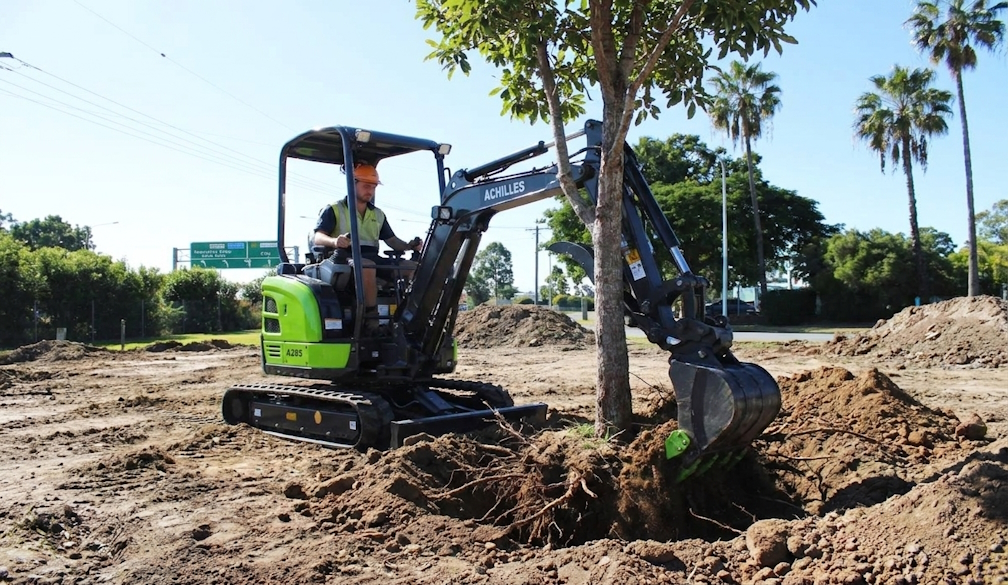
Every year, more Australian families swap the city for a few acres — a tree change in search of space, quiet and a slower pace. It's one of the most rewarding moves you can make. But somewhere between the first weekend of slashing waist-high grass by hand and the third trailer-load of firewood hauled up the driveway, most new landholders arrive at the same realisation: they need a tractor.
A compact tractor is the closest thing to a Swiss Army knife that rural life offers. With the right implements it slashes paddocks, digs post holes, grades the driveway, moves hay, clears fallen timber and lifts loads that would otherwise break your back. For anyone managing even a handful of acres, it quickly stops being a luxury and becomes the tool that makes the whole lifestyle work.
If you're new to it, though, buying your first tractor can feel daunting. Here's what actually matters.
Size it to your land, not your ambition
The most common mistake is buying too big — or, occasionally, hopelessly too small. For most lifestyle blocks and hobby farms of two to twenty hectares, a tractor in the 35 to 40 horsepower range hits the sweet spot. It has the muscle to run a slasher and a front-end loader, yet it's light and nimble enough not to chew up soft ground or tip on a slope.
Go smaller and you'll be doing multiple passes and struggling with heavier jobs. Go much bigger and you're paying for capacity you'll rarely use, in a machine that's harder to manoeuvre around sheds, gates and trees. If you're unsure, err slightly on the larger side — but be honest about your actual land, not the farm you imagine owning one day.
It's the implements that earn their keep
A tractor on its own is just an engine on wheels. Its real value comes from the three-point linkage and power take-off (PTO) that let it drive a whole shed's worth of tools:
- a slasher for keeping grass and fire hazards down over summer;
- a post-hole digger for fencing without the blisters;
- a grader blade for smoothing out a corrugated driveway;
- a front-end loader for shifting mulch, gravel, feed and firewood;
- a backhoe or pallet fork for the heavier odd jobs.
Before you buy, think about the three or four jobs you'll do most often and make sure the tractor has the hydraulics and lift capacity to run those implements comfortably. Buying the tractor and its key attachments from one supplier also means a single point of contact when you need advice or spare parts.
The boring bits that save you money later
New landholders tend to focus on the machine and forget the paperwork — which is exactly where the long-term cost hides.
- Warranty. Coverage varies a lot by brand, from twelve months to several years. A longer warranty isn't just insurance; it tells you how confident the maker is in the build.
- Engine and parts. A tractor built on a proven, widely available engine is cheaper and quicker to service than an obscure import. Ask how easily you can get parts before you're stuck waiting weeks for one.
- Finance. Very few people pay cash for their first tractor, and they don't need to. Spreading the cost with flexible equipment finance often means the repayments are comfortably covered by what you'd otherwise spend on contractors and hire fees — while you own the machine outright at the end.
See it in person before you commit
It's tempting to buy the cheapest thing you can find online, sight unseen. Don't. A tractor is a machine you'll rely on for a decade or more, so it's worth sitting in the seat, checking the build quality and asking direct questions about service and support.
That's usually the point where people start searching for a Tractor for Sale in Brisbane (or wherever they're closest to) — and it's the right instinct. Buying from a dealer with a physical yard means you can compare models side by side, test them, and know there's someone local to call when you need a part or a hand. Queensland and New South Wales are especially well served, with dealers stocking everything from compact combos to machines with air-conditioned cabs for the long summer days.
A quick starter checklist
Before you hand over any money, make sure you can tick these off:
- The horsepower suits my land size and terrain.
- It has the lift capacity and hydraulics for the implements I'll actually use.
- I understand the warranty and what it covers.
- Parts and service are available locally.
- I've compared finance against what I currently spend on hire and contractors.
- I've seen the machine in person, not just online.
Get those right, and your first tractor won't just be a purchase — it'll be the thing that turns a patch of land into the lifestyle you moved out there for. The tree change is the dream; the tractor is what makes it actually work.

 Business Daily Media