Puppy Training Pads: A Surprisingly Versatile Purchase
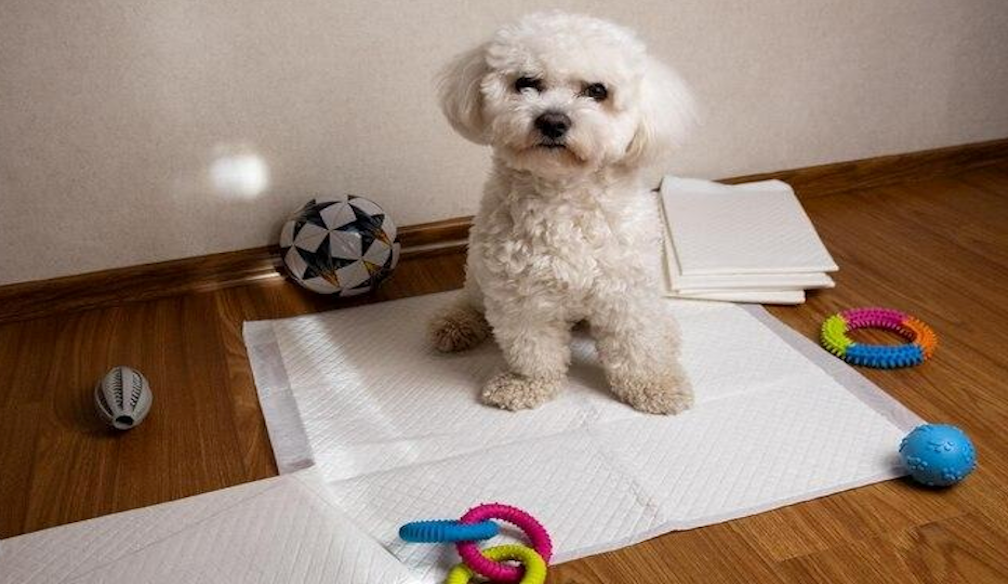
Your pup is a veritable bundle of joy. A constant source of happiness, a wiggling tail that always puts you in a good mood, and a careful listener that will always be there for you; your adorable munching is not just a pet. He is your friend, and he demands the best of the best.
Dogs are the most popular type of pet in Australia, and honestly, of course they are. Smart, loyal, playful, and always curious, the history of canines is tied to ours, and, our long-lasting bond was formed all the way back in ancient times. Is it always easy to own a dog? No, it really isn’t. You occasionally need to invest in accessories such as leashes or puppy training pads, and purchase kibble, medicine, and the occasional anti-worm medication. But let’s be honest, it’s all worth it.
Why Are Puppy Training Pads a Worthwhile Investment?
It’s mostly about necessity. Reusable, highly absorbent puppy training pads are necessary in the first few months of your dog’s life, as, at first, he’ll simply lack the physical capacity to hold its bladder for more than a couple of hours at a time. It usually goes like this:
- In the first ten weeks of life, pups can hold their pee for a maximum of two hours
- At four months old, they are capable of holding it in for around four hours
- While at six months of age, they go without peeing for somewhere around six hours.
It depends on the dog, of course, and its nutrition and hydration levels. That said, as a general rule, most pups are fully potty-trained by the time they’re one year old. Puppy training pads cannot always accelerate the process of training your dog, but they will reduce the number of accidents in your house, they are useful for apartment living, and they are convenient during bad weather, when the last thing you want is to get rained on while your pup is doing its thing.
It’s Just a Practical Purchase
Buying puppy pads is likely not the first thing you had in mind when you adopted/purchased your fluffball. But they are, all things considered, kind of a necessity. What is the alternative after all? Let your bundle of joy leave a smellier bundle of joy right in the middle of your laminated floors? Your dog, in the first few months of life, cannot properly control its bodily functions, and it has no way of stopping itself if it needs to go potty.
Puppy pads are necessary in the first months of your pup's life, when outdoor trips can be dangerous till he has received his last dose of vaccinations and they can also be useful if you are planning to travel with your pup, or you are the owner of an older dog that has gradually started to have trouble holding in his waste.
What Puppy Pads to Get?
The most obvious answer is to first consider disposable training pads. They are the most common training pads found in local pet supplies stores, and they have some benefits over other types of puppy pads that are hard to ignore:
Benefits of Disposable Training Pads:
- They are convenient. Since they are single-use, you just need to throw them away after each use. No hassle with cleaning is involved.
- They are great at absorbing liquids, and premium pads also do a good job with odour control
- You can purchase them in bulk from pretty much any shop selling pet supplies, and they are one of the cheapest accessories you can buy in this economy.
Sure, They Also Have Some Cons:
- They are not exactly the most environmentally friendly choice
- Some pups have no issue shredding them (ask me how I know)
- They can sometimes leak, especially if your pup is of a larger breed
Disposable pads are the best overall choice for owners living in small apartments or for people with busy schedules who don’t have the necessary time to properly walk their pup multiple times per day. But they are not the only choice available. Do you want to save some money in the long run? In that case, you could go for reusable pads.
Pros:
- They can be reused, so in the long run they come out to be a bit cheaper
- They are more durable, so they are better if you have a pup that shreds pretty much anything that gets into his focus
- They are eco-friendly, and if they come in a grass-style variant, they can also potentially accelerate the potty-training process
There Are, However, Downsides:
- As you can imagine, after each use, the reusable pad will need washing.
- With time, the frequent washing might affect the absorbency of the pad
- The initial purchase cost will be higher, although it will be amortised over time.
What Other Pet Supplies to Get for Your Pup?
Besides puppy training pads, your dog will require accessories that will cover his hygiene, safety and nutritional needs. First things first, you will need to browse the catalogue of your local pet supplies store for some high-quality kibble and treats. Some brands to consider are:
- Taste of the Wild
- Ziwi Peak
- Meals for Mutts
- Royal Canin
- Ivory Coat
Likewise, you will need to purchase a couple of toys, a puppy crate, some high-quality grooming supplies, and some deworming medication, as well as an anti-tick solution. You don’t have to spend a fortune, but you do need to invest in quality products that will last you for a couple of years.
Leashes, harnesses, dog crates, or beds; all are purchases that ideally you will make once and then will last you for the duration of the dog ownership process. You don’t necessarily have to go for the most expensive pet supplies on the market, but, as a general rule, it's always a good idea to choose the products manufactured by brands with a strong domestic or even international reputation.


 Business Daily Media