Are Lab Grown Diamonds Inferior to Natural Diamonds?
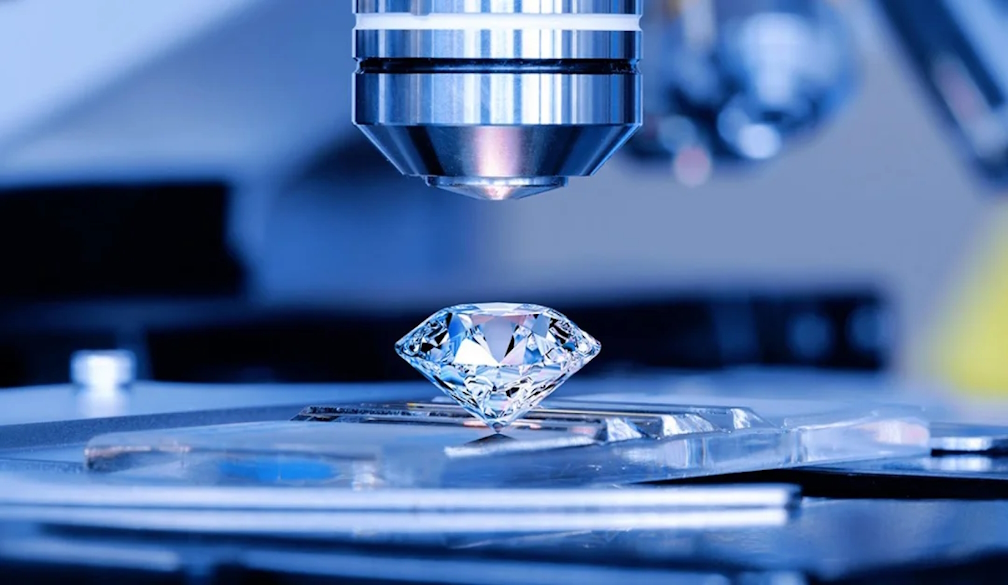
Diamonds have always represented love, commitment, and enduring elegance. Today, buyers can choose between natural and lab grown diamonds, both offering exceptional brilliance and strength. Whether you are selecting a stone for custom jewellery or a piece of bespoke handmade jewellery, understanding the differences can help you make the right choice for your style and budget.
Although they look and perform the same, the key distinction between these diamonds lies in how they are created. Exploring these differences allows you to choose a diamond that aligns with your personal preferences without sacrificing quality or beauty.
Key Takeaways
- Lab grown and natural diamonds share the same chemical structure, durability, and visual appeal.
- The primary difference is their origin, with natural diamonds forming underground over billions of years and lab diamonds created in controlled environments.
- Advanced techniques such as HPHT and CVD are used to produce lab diamonds.
- To the naked eye, both types appear identical, with only experts able to detect subtle variations.
- Lab diamonds are typically more cost-effective and environmentally conscious, while natural diamonds are valued for their rarity and heritage.
Lab Grown vs Natural Diamonds
Lab grown diamonds are genuine diamonds developed in specialised facilities that replicate the natural conditions found deep within the Earth. They possess the same crystal structure, hardness, and optical performance as mined diamonds, making them equally suitable for fine custom jewellery and detailed handmade jewellery designs.
The main difference is time and origin. Natural diamonds take billions of years to form beneath the Earth’s surface, whereas lab grown diamonds are produced in a matter of weeks or months using advanced technology.
How Lab Grown Diamonds Are Made
There are two primary methods used to create lab diamonds, both designed to mimic natural formation processes.
High Pressure High Temperature (HPHT)
This method recreates the intense heat and pressure found underground. A diamond seed is placed in a chamber and exposed to extreme conditions, allowing carbon atoms to crystallise and form a diamond.
Chemical Vapour Deposition (CVD)
In this process, a diamond seed is placed in a chamber filled with carbon-rich gases. When heated, these gases break down, and carbon atoms gradually build layers onto the seed, forming a diamond over time.
Both techniques result in real diamonds that match natural stones in quality, brilliance, and durability.
Common Misconceptions
There are still misconceptions around lab grown diamonds, but they are not imitation stones. They are made from pure carbon and share the same properties as natural diamonds.
Some common misunderstandings include:
- Lab grown diamonds are fake – they are genuine diamonds with the same composition as mined stones.
- They look different – visually, there is no noticeable difference without specialised tools.
- They are less durable – both types rank equally on hardness and wear resistance.
- They are always flawless – like natural diamonds, lab diamonds can also contain inclusions.
Can You Tell the Difference?
To the unaided eye, lab grown and natural diamonds are indistinguishable. Only trained professionals using specialised equipment can identify subtle differences in growth patterns or internal inclusions.
In some cases, lab diamonds may include microscopic inscriptions indicating their origin, but overall, the visual appearance remains the same.
Benefits of Lab Grown Diamonds
Lab grown diamonds are becoming increasingly popular for several reasons:
- More environmentally conscious, as they do not require mining
- Generally more affordable, allowing for larger or higher-quality stones within the same budget
- Identical in appearance and performance to natural diamonds
- Available in a wider range of colours at a more accessible price point
Certification and Quality
Both lab grown and natural diamonds are graded using the same standards by recognised gemological laboratories. They are assessed based on cut, colour, clarity, and carat weight, ensuring transparency and quality regardless of origin.
Certification provides confidence in your purchase, whether you are selecting a diamond for an engagement ring or a handmade jewellery piece.
Which Option Is Right for You?
There is no definitive answer when choosing between natural and lab grown diamonds. It ultimately depends on what matters most to you.
If value, sustainability, and flexibility are priorities, lab grown diamonds may be the better option. If rarity and the natural formation story appeal more, a mined diamond may feel more meaningful.
Whichever you choose, both offer the same beauty, strength, and timeless appeal. For those investing in Gold Coast custom jewellery, the most important factor is selecting a piece that reflects your personal style and story.


 Business Daily Media