Avoiding Project Delays With Proactive Waste Management & Earthmoving
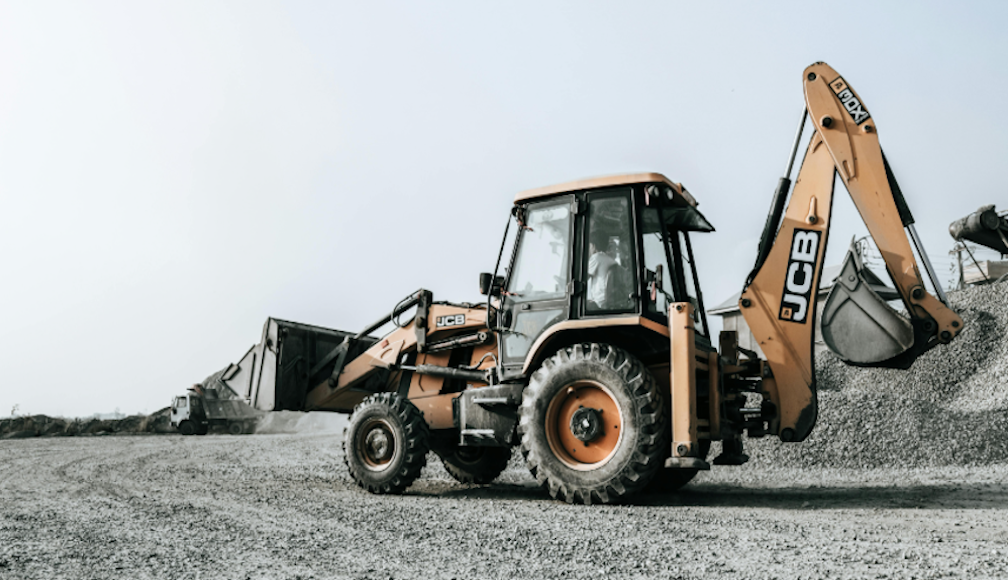
Project management in the construction and industrial sectors often feels like a race against the clock. Success in these fields depends on a series of interconnected tasks where a single delay can trigger a costly chain reaction. While many managers focus their attention on labor availability and material procurement, site preparation and disposal strategies are sometimes treated as secondary considerations.
Treating these foundational elements as an afterthought is a mistake that often leads to significant downtime. Shifting toward a proactive mindset in these areas ensures that a site remains safe, compliant, and ready for the next phase of work without unexpected interruptions. Planning for every contingency before the first piece of equipment arrives on site is the most effective way to protect a project budget.
The Role of Timely Liquid Waste Removal
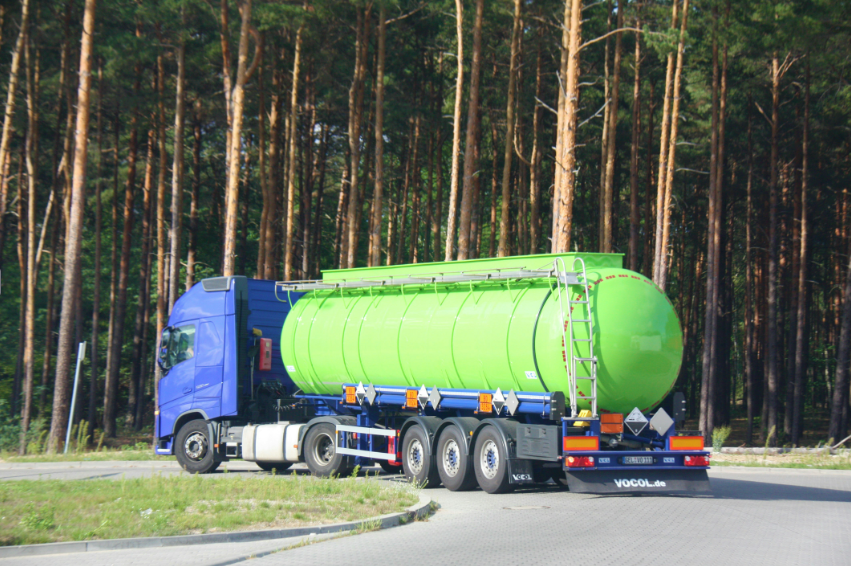
Managing onsite fluids is a critical part of maintaining an efficient and safe workspace. Whether a project involves septic systems, grease traps, or industrial runoff, allowing these materials to accumulate without a plan is a recipe for disaster. Overflows or system failures can lead to health hazards and environmental violations that halt work immediately. Engaging reliable liquid waste removal services early in the project lifecycle prevents these bottlenecks from ever forming.
Effective waste handling also extends to the specialized equipment required to keep a site clean. For instance, vacuum trucks are essential for clearing out debris and fluids from tight spaces or underground infrastructure that manual labor cannot reach. Without this technology, a site can quickly become bogged down by excess moisture or hazardous spills that degrade the ground quality. Utilizing a specialized crane truck for moving heavy components or an off-road forklift for navigating uneven terrain further enhances the overall workflow.
Integrating Waste Management & Earthmoving
Site preparation and waste disposal are two sides of the same coin and should be managed as such. When these processes are disjointed, a project often experiences friction during the transition from excavation to structural development. Coordinating waste management & earthmoving as a unified strategy allows for better resource allocation and equipment utilization. For example, clearing a site is not just about moving dirt from one pile to another; it involves the responsible separation and disposal of various materials. Proper site clearing ensures that the ground is stable, level, and free of contaminants before any structural work begins.
Precision is key in these early stages of a project to avoid rework later. Operators utilize motor graders to create a level surface for foundations and wheel loaders to handle bulk materials efficiently across the property. In larger operations, articulated trucks transport massive loads of earth or debris across the site, while specialized landfill equipment might be necessary for onsite processing or containment of specific materials. By planning the movement of earth alongside the removal of debris, a manager can optimize the customer experience for the client, who sees steady, visible progress rather than a cluttered, stagnant worksite that appears unorganized.
Protecting Soil Health and Compliance
Modern environmental regulations are becoming increasingly strict, particularly regarding the presence of heavy metals and other pollutants in the soil. A proactive approach involves testing and monitoring the site before and during excavation to identify any hidden risks. If contamination is found, a specialized plan must be implemented immediately to prevent the spread of toxins into the local water table. This is not just a legal requirement but a vital part of resource recovery. Many materials removed during the earthmoving process can be recycled or repurposed for other uses if they are handled correctly from the start.
Maintaining high standards for customer service in this industry means providing total transparency about how waste is handled and where it goes. Clients want to know that their project is not only staying on time but also meeting all safety and environmental benchmarks. A site that is clean and well-organized reflects professional competence and instills confidence in investors and stakeholders. It also reduces the likelihood of accidents, which are among the leading causes of long-term project delays and legal complications.
Conclusion
The success of any large-scale project depends on the details that happen below the surface. By moving away from reactive fixes and toward a strategy of proactive planning, managers can safeguard their timelines and their reputations. Integrating site preparation with a robust waste disposal plan creates a foundation for long-term efficiency.
Prioritizing the customer experience through operational safety and environmental responsibility ensures that every phase of the project contributes to a successful, on-time delivery. Clear communication and the right equipment remain the best tools for avoiding the common pitfalls of industrial project management.


 Business Daily Media