How Vehicle Tracking Systems Are Transforming Fleet Cost Management in 2026
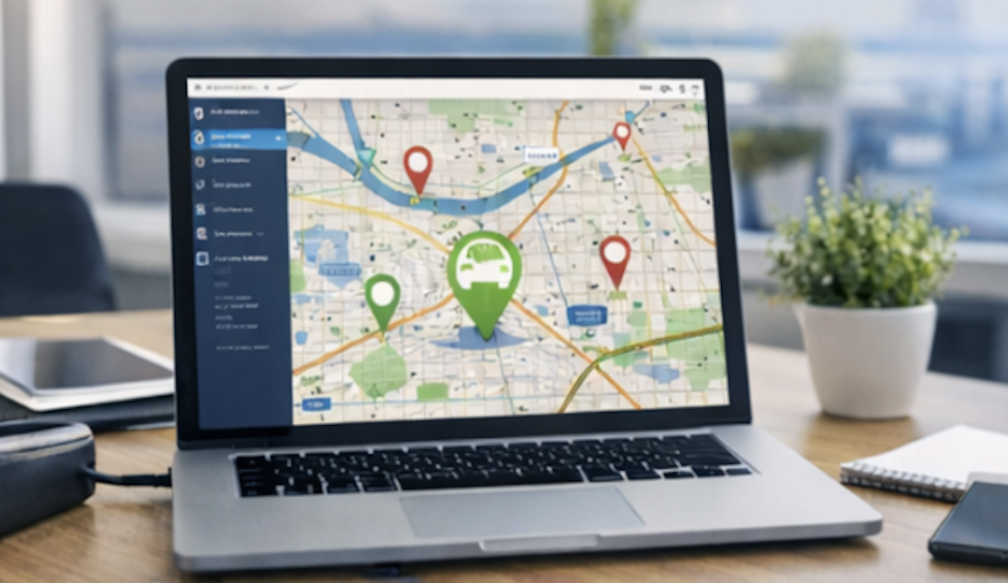
Image source: GPS vehicle tracking map interface
In today’s highly competitive logistics and transportation environment, operational efficiency is no longer optional—it is essential. Rising fuel prices, increased maintenance costs, and tighter delivery expectations are forcing companies to rethink how they manage their fleets.
One of the most effective solutions emerging in recent years is the adoption of vehicle tracking systems. These systems provide real-time visibility into fleet operations, allowing businesses to monitor routes, fuel consumption, driver behavior, and vehicle utilization from a centralized dashboard.
The Financial Impact of Fleet Inefficiency
Fleet-related expenses typically account for one of the largest operational costs in transport-heavy industries. Inefficient route planning, unauthorized vehicle usage, excessive idling, and poor driving habits can significantly increase fuel and maintenance expenses.
By implementing modern fleet tracking technology, companies gain access to actionable data that directly impacts their bottom line. Real-time GPS monitoring ensures optimized routing, while performance analytics identify cost leaks that would otherwise go unnoticed.
Data-Driven Decision Making
Digital transformation in logistics is largely fueled by data. With advanced telematics integration, businesses can:
- Reduce fuel consumption through route optimization
- Monitor driver performance and safety metrics
- Prevent vehicle misuse
- Improve delivery accuracy and customer satisfaction
- Lower insurance risks
Companies leveraging professional vehicle tracking solutions such as those available at vehicle tracking systems are increasingly reporting measurable ROI within months of deployment.
Strategic Advantage in Competitive Markets
Beyond cost reduction, tracking technology offers strategic visibility. Managers can forecast maintenance needs, analyze operational trends, and scale logistics operations with greater confidence.
As supply chains become more dynamic and customer expectations continue to rise, companies that invest in intelligent fleet monitoring systems position themselves ahead of competitors still relying on manual processes or outdated tracking tools.
In 2026 and beyond, data-driven fleet management will not just be a technological upgrade—it will be a fundamental requirement for sustainable growth.


 Business Daily Media