Piles Foundation And Why Deep Support Matters In Modern Construction
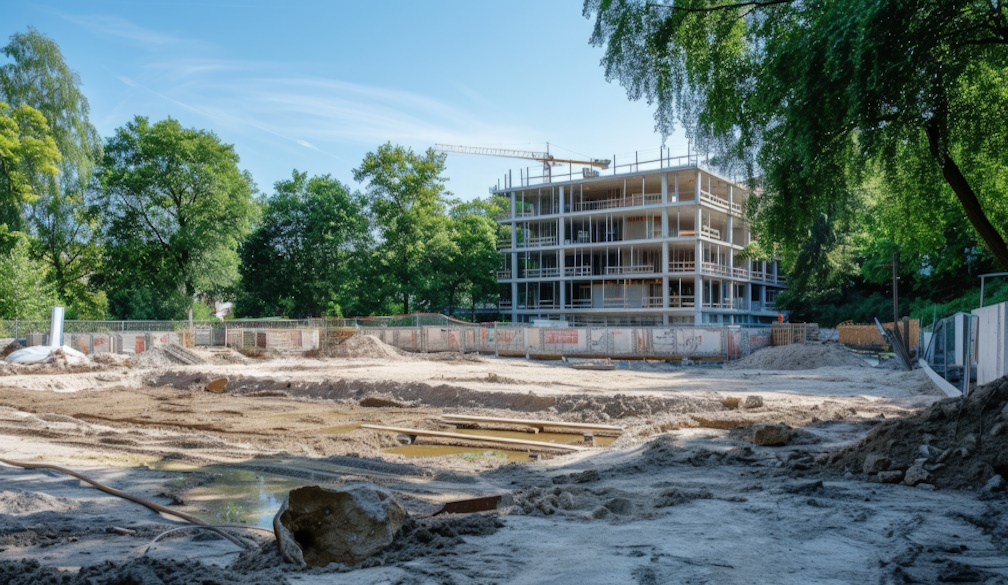
A piles foundation is a critical solution when surface soil cannot safely support the weight of a structure. Instead of relying on shallow footings, piles transfer loads deep into stable ground layers, ensuring long-term strength and stability. This method is widely used across residential, commercial, and industrial construction, particularly in areas with reactive soils, poor ground conditions, or heavy structural demands. By anchoring buildings to stronger strata below the surface, pile foundations provide the confidence that structures will remain stable over time.
The importance of pile foundations becomes clear when considering how soil behaves. Not all ground is created equal. Some soils compress under load, others expand and contract with moisture changes, and some lack sufficient bearing capacity altogether. In these situations, piles bypass unreliable layers and deliver loads directly to competent soil or rock. This approach protects buildings from settlement, cracking, and structural movement that can develop years after construction is complete.
Understanding How Pile Foundations Work
Pile foundations function by transferring structural loads either through end bearing, skin friction, or a combination of both. End-bearing piles rest on a strong layer such as bedrock, allowing the load to be carried directly by the pile tip. Friction piles, on the other hand, rely on resistance along the pile shaft as it interacts with surrounding soil. The chosen method depends on site conditions, load requirements, and engineering design.
Piles can be manufactured from concrete, steel, or timber, with reinforced concrete being one of the most common options in modern construction. Concrete piles offer durability, strength, and resistance to environmental factors, making them suitable for long-term applications. They can be cast in place or pre-cast and driven into the ground, depending on project needs.
The design and installation of pile foundations are guided by geotechnical investigations. Soil testing provides essential data on ground composition, moisture levels, and bearing capacity. Engineers use this information to determine pile type, depth, spacing, and load capacity, ensuring the foundation system is tailored to the site.
When Pile Foundations Are Necessary
Pile foundations are often required in areas with weak or unstable surface soils. Coastal regions, flood-prone areas, and sites with high clay content commonly fall into this category. In these environments, shallow footings may shift or settle unevenly, leading to structural issues. Piles offer a reliable alternative by anchoring buildings to deeper, more stable layers.
They are also essential for structures with significant loads. Multi-storey buildings, bridges, retaining walls, and industrial facilities place high demands on foundations. Piles distribute these loads safely, reducing stress on any single point. Even in residential construction, pile foundations are increasingly used to support extensions, renovations, and homes built on sloping or challenging sites.
Another key application is in areas where excavation depth must be limited. Piles allow foundations to be installed without extensive earthworks, which can be advantageous in built-up locations or environmentally sensitive sites.
Installation Methods And Precision
Installing pile foundations requires specialised equipment and experienced operators. Methods vary depending on pile type and site constraints. Driven piles are installed using impact or vibration, pushing them into the ground with controlled force. Bored piles involve drilling a hole, placing reinforcement, and filling it with concrete to create a cast-in-place pile.
Accuracy during installation is crucial. Piles must be positioned and aligned according to engineering plans to ensure loads are transferred correctly. Depth control is equally important, as piles must reach the intended bearing layer. Quality control measures, including testing and inspection, help verify that piles meet design specifications.
Modern piling techniques aim to minimise noise, vibration, and disruption, particularly in residential areas. This makes pile foundations suitable for urban projects where environmental impact and neighbour considerations are important.
Long-Term Performance And Durability
One of the greatest advantages of pile foundations is their long-term performance. By transferring loads to stable ground, piles reduce the risk of differential settlement, which can cause cracks in walls, uneven floors, and structural distortion. This stability supports the integrity of the entire building over its lifespan.
Concrete and steel piles are designed to resist corrosion, moisture, and soil chemicals when properly specified and installed. Protective measures such as coatings, concrete cover, and appropriate mix design further enhance durability. As a result, pile foundations often outlast other structural components, providing a dependable base for decades.
From a maintenance perspective, foundations are rarely visible, but their performance affects everything above them. A well-designed pile foundation reduces the likelihood of costly repairs and reinforces the overall value of the structure.
The Role Of Specialist Contractors
Pile foundation projects demand coordination between engineers, builders, and specialist contractors. Experienced piling contractors understand how to interpret soil reports, select appropriate systems, and adapt methods to site conditions. Their expertise helps manage risks associated with ground variability and installation challenges.
Surefoot Footings specialises in foundation systems designed to suit Australian soil conditions. Their focus on precision, compliance, and quality installation supports reliable outcomes across residential and commercial projects. By combining technical knowledge with practical experience, they help ensure that foundations are built to perform as intended.
Building Confidence From The Ground Up
Foundations may remain hidden, but their importance cannot be overstated. A pile foundation is an investment in stability, safety, and peace of mind. It allows architects and engineers to design with confidence, knowing that the structure is anchored securely below ground.
As construction continues to evolve and sites become more challenging, pile foundations play an increasingly vital role. They provide solutions where traditional methods fall short, enabling buildings to stand strong regardless of soil conditions. In modern construction, building confidence truly begins from the ground up.


 Business Daily Media