Three Things Your Plumber Wishes You’d Do While It’s Not Raining
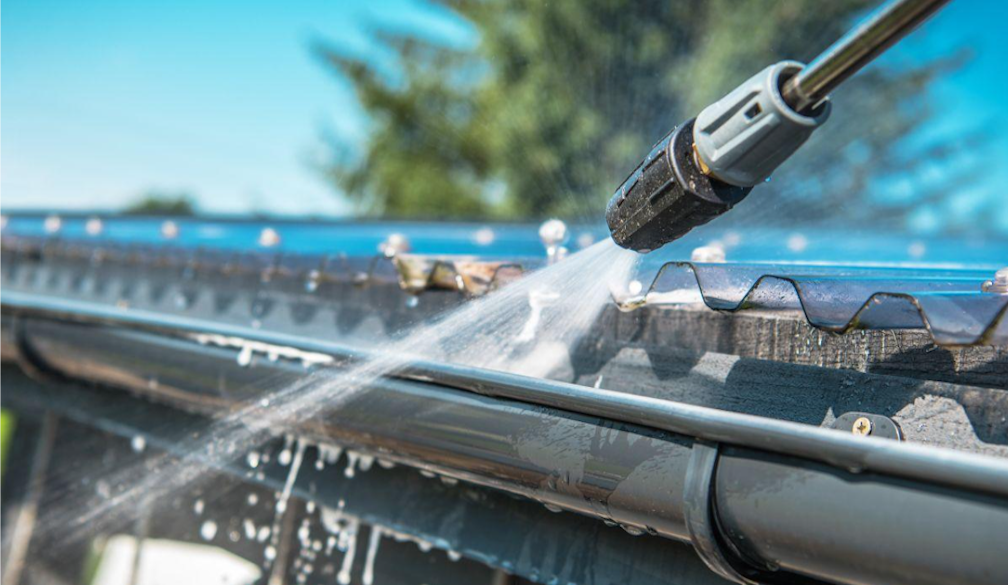
The best time to tackle home maintenance is during the dry months, whether it’s tackling your gutters, looking for hidden leaks or cleaning your outdoor drains. Being proactive about home maintenance will go a long way to prevent serious mishaps and costly repairs. The dry season is the ideal opportunity to prepare your home for the next wet season and avoid expensive plumbing disasters.
Want to learn more about what your plumber wishes you would do? Read on!
The Three Things Your Plumber Wishes You Would Do
The best way to prevent disasters during the rainy season is to tackle these tasks while it’s dry!
Inspect & Clean Gutters and Downspouts
Your gutters capture debris like leaves and twigs, and when this debris builds up and clogs your gutters, the water is forced elsewhere. This usually means it damages the roof and fascia or seeps into your home’s foundation, causing damp problems and leaks. Always check to ensure your downspouts are properly secured and carrying water at least five to ten feet away from your foundation.
Clean Outdoor Drains & Test Your Sump Pump
The worst time to realise your sump pump is broken is when you’re hit by heavy rain. Fill a bucket with water and pour it into the pit to confirm it’s working properly. It should turn on and remove the water. When drains are overwhelmed, it can cause sewage backups or flooding, so you need a sump pump you can rely on. Be sure to inspect the discharge pipe and drain gates to ensure they’re clear and properly directing water.
Test Your Outdoor Faucets, Pipes & Locate Hidden Leaks
A minor leak can quickly become a serious problem if it isn’t addressed. Inspect outdoor pipes and faucets, checking for cracks, corrosion or leaks. You can replace washers or tighten loose fittings before the wet season arrives. With heavy rain throughout the wet season and an increase in water usage once summer rolls around, it doesn’t take long for a small problem to spiral out of control.
While you’re inspecting the outdoors, be sure to keep an eye on tree roots growing near sewer lines. If there are a lot, you may want to schedule a CCTV drain inspection to identify any issues early on.
You can also inspect the interior of your home for signs of a problem, checking the walls and ceilings for damp patches, peeling paint or discolouration. Check pipes located under sinks and test your toilet for leaks by adding a few drops of food colouring to the cistern.


 Business Daily Media