Is Your Mining First Aid Kit Up to the Challenge? Solve Problems Now
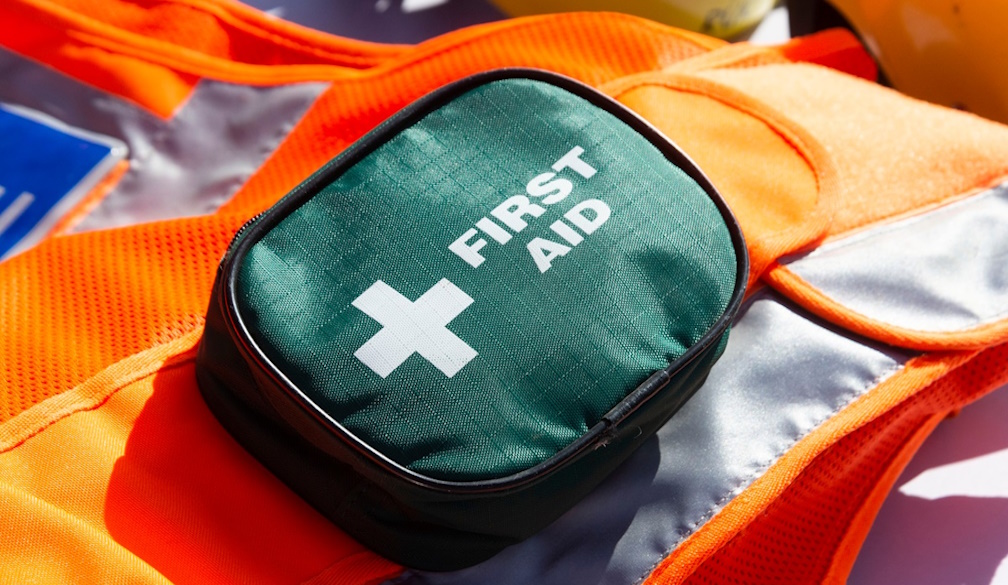
Imagine this: you're working on a remote mine site, miles from the nearest town, when an accident happens. Someone's injured. The seconds tick by, each one feeling like an eternity. In that moment, the quality and completeness of your mining first aid kit can mean the difference between a manageable situation and a critical emergency. Is your kit truly ready for anything? Learn more about professional mining first aid kit.
Mining environments present unique challenges, from dust and extreme temperatures to the potential for heavy machinery accidents. A standard first aid kit simply won't cut it. You need a comprehensive set of mining medical supplies, carefully selected and regularly maintained, to address the specific risks inherent in this industry. Let's delve into what makes a mining first aid kit truly effective, and how you can ensure yours is always up to the task.
Understanding the Unique Challenges of Mining Environments
Mining operations aren't your average workplace. The sheer scale, the heavy machinery, and the often-remote locations create a perfect storm of potential hazards. Think about it: exposure to dust and fumes can lead to respiratory issues, while working with heavy equipment increases the risk of crush injuries and lacerations. The isolation of many mine sites means that professional medical help might be hours away.
Therefore, your first aid provisions need to be prepared for these specific scenarios. Are you ready to deal with eye injuries from flying debris? Do you have the right equipment to stabilise a fractured limb before transport? Can your team handle a burn injury while waiting for paramedics to arrive? These are the questions that should guide your choice of medical supplies.
Common Injuries in Mining
To build an effective first aid kit, you need to understand the types of injuries that are most likely to occur. Here are some of the common incidents in mining environments:
- Lacerations and Crush Injuries: Working with heavy machinery presents a high risk of cuts, abrasions, and crush injuries.
- Sprains and Fractures: Slips, trips, and falls are common, particularly on uneven terrain or in poorly lit areas.
- Eye Injuries: Dust, debris, and chemical splashes can cause serious eye damage.
- Burns: Exposure to heat, chemicals, and electrical hazards can lead to burn injuries.
- Respiratory Issues: Inhalation of dust, fumes, and gases can trigger respiratory problems.
- Heatstroke and Dehydration: Working in hot conditions, especially underground, can cause heat-related illnesses.
The Importance of a Tailored First Aid Kit
A generic first aid kit might contain bandages and antiseptic wipes, but it's unlikely to include the specialised items such as a defibrillator, asthma spacer, or anything else that is needed for mining-related injuries. For example, a standard kit probably won't have eye wash stations for chemical splashes, heavy crepe bandages for immobilising fractures, or burn dressings for severe burns. A tailored kit acknowledges the unique hazards of the mine site and provides the right tools to manage them effectively.
Also Read: HeartSine vs Other AED Brands: Which Defibrillator is Right for You?
Essential Components of a Mining First Aid Kit
So, what should a comprehensive kit contain? It’s more than just sticking a few band-aids in a box. It’s about creating a resource that can handle a range of emergencies until professional help arrives. Think of it as a mini-emergency room, ready to deploy at a moment's notice.
The specific contents will vary depending on the size of the operation, the types of work being performed, and the number of personnel on site. However, here are some essential items that should be included in every mining medical supplies setup:
Basic Wound Care
These are the staples of any first aid kit, but it’s important to have a generous supply, especially in a mining environment where minor cuts and abrasions are common. Proper wound care is essential to prevent infection and promote healing.
- Adhesive bandages (various sizes)
- Sterile gauze pads (various sizes)
- Hypoallergenic tape
- Antiseptic wipes or solution
- Sterile saline solution for irrigation
Trauma Management
These items are crucial for dealing with more serious injuries, such as fractures, sprains, and heavy bleeding. The ability to stabilise an injured person before transport can significantly improve their outcome.
- Heavy crepe bandages for sprains and strains
- Triangular bandages for slings and immobilisation
- Splints for fractures (various sizes or adjustable)
- Tourniquets for severe bleeding
- Trauma dressings for heavy bleeding
- Emergency blanket for shock
Eye Care
Eye injuries are a significant risk in mining, so it’s vital to have the right equipment to address them. Prompt and effective treatment can prevent long-term vision damage.
- Eye wash solution (sterile saline)
- Eye wash station (wall-mounted or portable)
- Eye pads and shields
Burn Treatment
Burns can be incredibly painful and debilitating, so it’s important to have the right dressings and ointments to provide immediate relief and prevent infection.
- Burn dressings (various sizes)
- Burn gel or cream
- Sterile water or saline solution for cooling burns
Respiratory Support
Dust, fumes, and gases can cause respiratory distress, so it’s important to have the right equipment to help people breathe more easily.
- Resuscitation mask with one-way valve
- Oxygen delivery system (if trained personnel are available)
Other Essential Items
Beyond the basics, there are a few other items that can make a big difference in a mining first aid kit.
- Pain relievers (paracetamol, ibuprofen)
- Antihistamines for allergic reactions
- Tweezers for removing splinters or debris
- Scissors
- Safety pins
- Disposable gloves (non-latex)
- First aid manual
- Incident report forms
Maintaining Your Mining First Aid Kit: A Checklist for Success
Having the right equipment is only half the battle. A first aid kit is useless if it’s not properly maintained. Regular inspections and restocking are crucial to ensure that everything is in good working order and readily available when needed.
Think of it like servicing your ute - you wouldn't wait until it breaks down completely before giving it some attention, would you? The same principle applies to your mining first aid kit. Here’s a checklist to keep you on track:
Regular Inspections
Schedule regular inspections, at least monthly, to check the contents of your kit. This is a good opportunity to identify any missing or expired items.
- Check expiration dates on all medications and sterile supplies.
- Ensure all items are in good condition and undamaged.
- Verify that all containers are properly sealed.
- Confirm that the kit is stored in a clean, dry, and easily accessible location.
Restocking Procedures
Develop a clear restocking procedure to ensure that used items are promptly replaced. This could involve assigning responsibility to a specific person or team.
- Create a restocking checklist to ensure that all items are replaced.
- Keep a log of all items used and restocked.
- Order supplies in bulk to save time and money.
Training and Education
It’s not enough to have a well-stocked kit; your team needs to know how to use it effectively. Regular first aid training is essential to ensure that everyone is prepared to respond to emergencies.
- Provide regular first aid training for all employees.
- Focus on the specific injuries that are common in mining environments.
- Conduct refresher courses to keep skills sharp.
- Ensure that at least one person on each shift is certified in first aid.
Proper Storage
The location where you store your kit can be just as important as its contents. It needs to be accessible, clearly marked, and protected from the elements. A kit buried at the back of a supply shed isn't going to be much use in an emergency.
- Store the kit in a central, easily accessible location.
- Clearly mark the kit with a first aid symbol.
- Protect the kit from extreme temperatures, moisture, and dust.
- Consider having multiple kits strategically located throughout the mine site.
Choosing the Right Supplier for Your Mining First Aid Needs
Selecting a reliable supplier is crucial to ensure that you’re getting high-quality products that meet your specific needs. Look for a supplier with experience in the mining industry and a commitment to providing top-notch service. Finding the right supplier for your mining medical supplies can be a game changer for your operation. Here are some things to consider:
Experience and Expertise
Choose a supplier with a proven track record in the mining industry. They should understand the unique challenges of mining environments and be able to recommend the right products for your needs.
Product Quality
Ensure that the supplier offers high-quality products that meet relevant Australian standards. Don’t cut corners on safety - your team’s well-being depends on it.
Customisation Options
Look for a supplier who can customise kits to meet your specific requirements. This might involve adding extra items, removing unnecessary ones, or creating a kit tailored to a particular type of work.
Training and Support
Some suppliers offer training and support services to help you use your first aid equipment effectively. This can be a valuable asset, especially for new employees or those who need a refresher.
Reliable Delivery
Choose a supplier with a reliable delivery service, especially if your mine site is in a remote location. You need to be able to count on them to deliver supplies when you need them.
Investing in Safety: The Long-Term Benefits
Think of your first aid kit as more than just a box of supplies; it’s an investment in the safety and well-being of your team. A well-equipped and maintained kit can help you prevent minor injuries from escalating into serious incidents, reduce downtime, and improve morale. Taking proactive steps to protect your workers sends a clear message that you value their safety and well-being. This can lead to increased productivity, reduced absenteeism, and a stronger safety culture across the mine site.
So, is your mining first aid kit truly up to the challenge? By understanding the unique risks of mining environments, selecting the right equipment, and maintaining your kit properly, you can ensure that you’re prepared for anything. Don't wait for an emergency to reveal the gaps in your safety plan. Take action now to protect your team and your operation.

 Business Daily Media