Planet-Friendly Composite Boards: Worth the Hype?
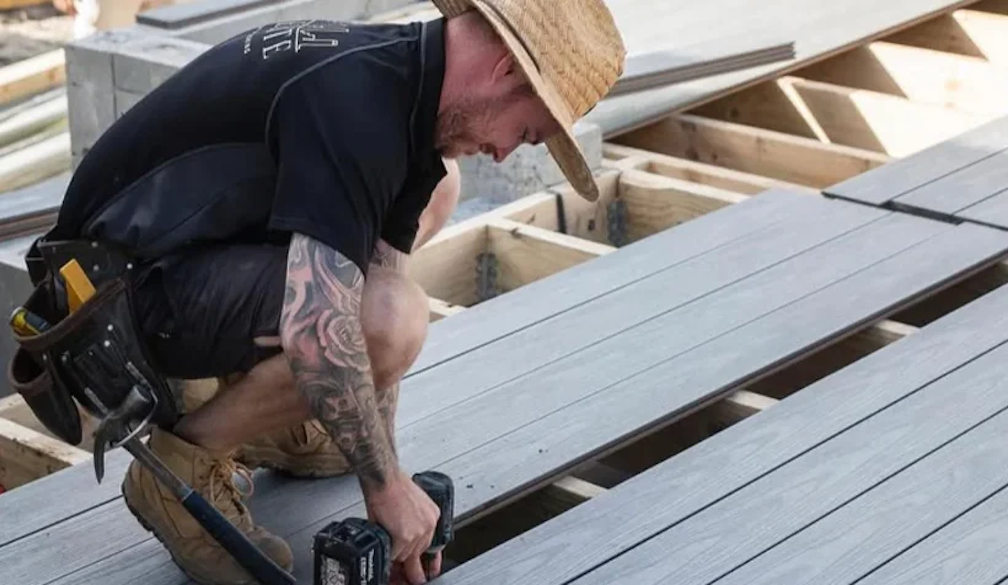
Upgrading your outdoor living space is one of the most rewarding investments you can make for your home. But in today’s climate, many Australian homeowners are looking for more than just aesthetics - they want a solution that looks good and does good (for the planet).
Enter environmentally friendly composite decking.
This game-changing material offers the perfect blend of luxury and responsibility. It enhances your curb appeal and creates a modern sanctuary for your family, all while significantly reducing your environmental footprint.
If you are building a sustainable home or simply want to upgrade your patio without the burden of constant maintenance, this guide will walk you through why composite deck boards is the superior eco-conscious choice.
The Environmental Cost of Traditional Timber
For generations, timber has been the standard for Australian backyards. While we love the natural look of wood, the environmental reality of timber decking is becoming harder to ignore.
- Deforestation: High demand for hardwoods contributes to the depletion of slow-growing forests.
- Chemical Runoff: To survive the Australian elements, timber requires frequent staining, oiling, and sealing. These chemicals can wash into the soil, affecting local gardens and groundwater.
- Short Lifespan: Even well-maintained timber eventually rots, splits, or warps, leading to early replacement and more waste in landfills.
While some "green-treated" and ethically sourced timber options exist, the industry is seeing a massive shift toward a smarter alternative: composite decking, and many Australian decking stockists are cashing in on this lucrative eco-trend.
Why Composite Decking is the Green Solution
Composite decking is the ultimate example of upcycling. High-quality manufacturers create these durable boards by blending recycled plastic (from milk bottles and packaging) with reclaimed wood fibres (sawdust and scraps that would otherwise be discarded).
By choosing composite, you are not just buying a deck; you are diverting waste from landfills and saving trees.
1. The Power of Recycled Plastic
Modern composite boards are often made from up to 95% recycled materials.
- Waste Reduction: A standard composite deck can contain thousands of recycled plastic bottles and kilograms of reclaimed wood waste.
- Longevity: unlike timber, which may last 15–20 years, premium composite decking can last up to 50 years. This "buy once, buy right" approach drastically reduces the consumption of resources over the life of your home.
2. The Bamboo Advantage
Some composite options utilise bamboo fibres instead of traditional wood. Bamboo is a powerhouse of sustainability because it is a rapidly renewable grass, not a tree. It grows back quickly after harvesting, absorbing massive amounts of carbon dioxide in the process. When fused with recycled plastics, it creates a board that is incredibly strong, splinter-free, and resistant to our harsh climate.
The "Hidden" Eco-Benefit: Low Maintenance
One of the most overlooked environmental benefits of composite decking is its low-maintenance nature.
Because composite boards are engineered to resist fading, rotting, and pests, you never need to sand, paint, varnish, or seal them. This eliminates the need for Volatile Organic Compounds (VOCs) and harsh chemical cleaners. A simple wash with water and mild soap is all that is needed to keep your deck looking pristine.
The result? A safer environment for your pets, your children, and your garden ecosystem.
Responsible Disposal and Recycling
While composite decking is made from recycled materials, a common question arises: Can the deck itself be recycled at the end of its life?
Because the boards are a fused hybrid of wood and plastic, they can be difficult to separate for standard recycling. However, the industry is evolving. Many forward-thinking manufacturers now offer "take-back" programs, and specialised recycling centres are becoming more available across Australia.
Furthermore, because composite decking in Sydney lasts decades longer than timber, the frequency of disposal is significantly lower, reducing the overall burden on waste management systems.
The Verdict: How Green is it?
Is composite decking the right choice for an eco-friendly home? Let’s look at the scorecard:
- Recycled Content: High (uses recycled plastic and reclaimed wood).
- Forest Protection: High (saves virgin trees from being cut down).
- Chemical Reduction: High (no paints, stains, or oils required).
- Durability: High (lasts 2–3x longer than timber, reducing consumption).
Conclusion
Choosing environmentally friendly composite decking is a powerful way to take control of your home’s environmental impact. It allows you to enjoy a stunning, high-performance outdoor area without contributing to deforestation or landfill waste.
Whether you choose boards made from recycled plastics or renewable bamboo, you are investing in a future that is as sustainable as it is stylish.
Ready to transform your garden? As a trusted Australian provider of premium composite decks, we can help you select the perfect eco-friendly fixtures for your project.


 Business Daily Media