The Future of Construction: Rental Equipment
As the construction industry evolves, so do the methods of acquiring and using machinery. Renting equipment has become an increasingly popular practice among construction companies, providing a flexible and cost-effective alternative to purchasing heavy machinery outright. This shift is driven by various factors, including technological advancements, economic considerations, and increasing environmental awareness. In this article, we delve into the growing trend of rental equipment in construction, exploring its benefits, implications, and future potential within the industry.
Growth and Prevalence of Equipment Rental Businesses
The presence of equipment rental businesses is indicative of a significant shift within the construction industry. According to IBISWorld, there are 3,539 heavy equipment rental businesses in the United States, highlighting the widespread adoption of this model. As these businesses grow, they become critical enablers for companies looking to expand without the financial burden of purchasing machinery outright.
This rise in rental businesses is driven by the increasing demand for flexibility and efficiency in project management. Construction projects often have varying needs, and renting allows businesses to adapt quickly without the need for long-term commitments. By renting equipment, companies can also ensure they're using the latest models, incorporating cutting-edge technology into their operations.
Furthermore, the economic landscape has encouraged construction companies to adopt a rental approach. Economic downturns, fluctuating market conditions, and competitive pressures contribute to a preference for rental solutions over significant capital expenditure. Consequently, this trend is transforming how the industry approaches equipment utilization, promoting more dynamic and agile business practices.
Applications in Residential and Mixed-use Projects
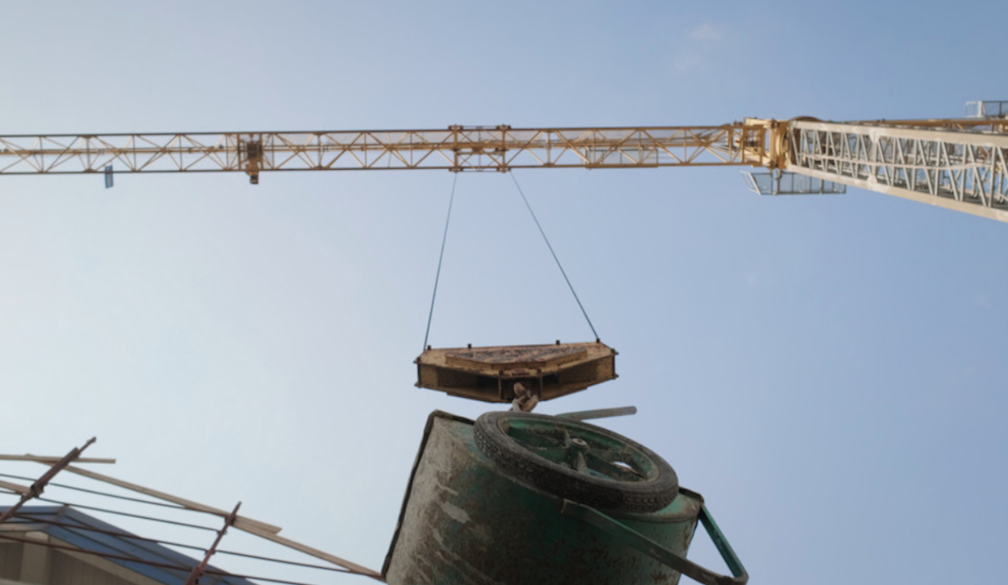
The use of rental equipment is not only limited to the type of machinery but also extends to various types of construction projects. According to the New York Times, 73% of cranes are utilized for residential and mixed-use projects, reflecting the versatility and necessity of rental practices in different construction contexts. This trend emphasizes the importance of rental equipment in facilitating diverse project requirements efficiently.
Increases in urban development and the need for residential facilities have demanded a reliable supply of machinery that can be easily accessed through rental agreements. Mixed-use projects, which combine residential and commercial spaces, benefit from the flexibility rental companies provide, allowing developers to adjust to changing construction schedules and design demands. As these projects become more prevalent, the demand for rental equipment is poised to grow further.
The strategic use of rental equipment in residential and mixed-use projects also aligns with modern business practices. Reducing overhead costs while maximizing productivity remains a key focus for construction companies. By utilizing rented machinery, businesses can effectively manage their resources, ensuring that they only pay for equipment when needed. This approach enhances project efficiency and contributes to better financial management.
Environmental Impact and Sustainability
The growing emphasis on sustainability in construction is another factor influencing the shift towards equipment rental. According to Web FX, heavy equipment rental lowers the total carbon footprint of the equipment by 30-50%, presenting a clear environmental benefit. This reduction is achieved by optimizing the use of machinery, ensuring equipment is utilized to its fullest potential rather than sitting idle.
Renting equipment also encourages the use of newer, more energy-efficient models. These models often incorporate the latest advancements in fuel efficiency and emission reduction technologies. As a result, construction companies renting this machinery contribute to industry-wide efforts to reduce environmental impact, aligning their operations with global sustainability goals.
The integration of sustainable practices into business strategies is not only environmentally responsible but also economically beneficial. Companies that prioritize sustainability can reduce operational costs by minimizing energy use and maintenance expenses. Consequently, adopting rental practices as part of a sustainability strategy supports both ecological and business objectives, fostering a more responsible industry outlook.
The future of construction is undeniably leaning towards the rental of equipment, driven by the benefits of flexibility, cost savings, and environmental sustainability. With the number of rental businesses rising and their impact on reducing carbon footprints evident, construction companies are increasingly viewing rental as a strategic choice. As the industry continues to evolve, integrating rental practices will likely shape the business landscape, creating a more dynamic, efficient, and sustainable future for construction.


 Business Daily Media