Energy-Efficient Heating and Cooling Options for Canberra Homes
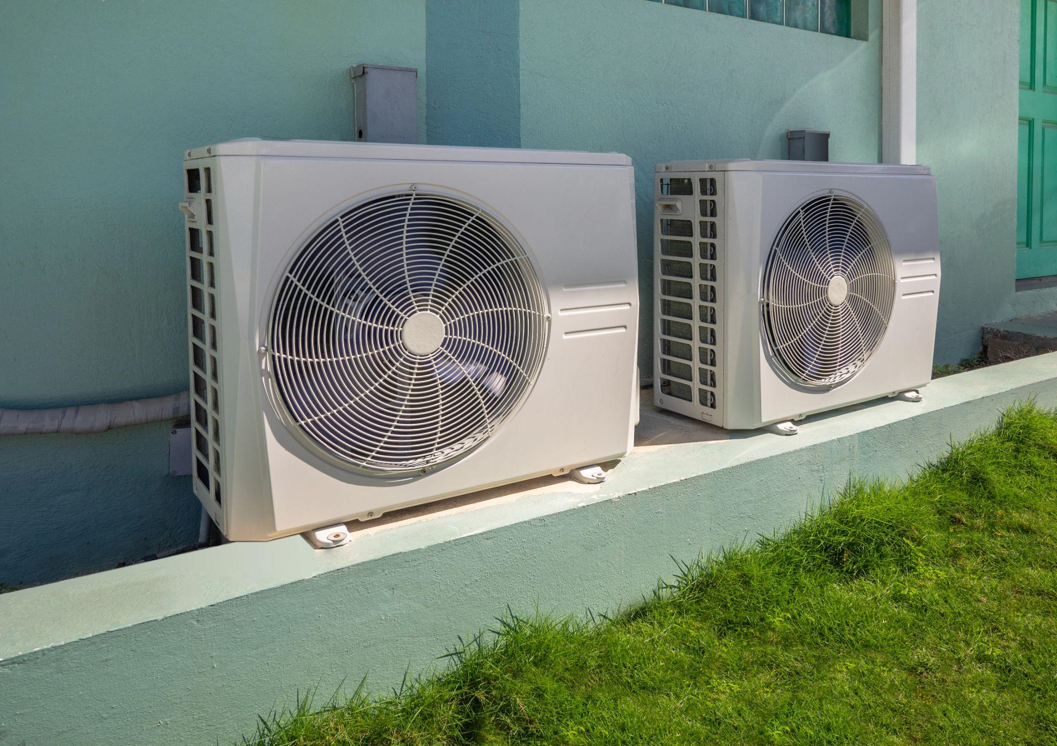
Canberra’s distinct climate poses unique challenges for homeowners when it comes to heating and cooling. Hot, dry summers and crisp, cold winters require reliable systems that can handle both extremes efficiently. At the same time, rising energy costs and a growing emphasis on sustainability have made energy-efficient solutions more important than ever.
Fortunately, modern technology is reshaping the way households manage comfort. From advanced heat pumps to smarter cooling systems, there are options designed to lower utility bills while reducing environmental impact. This article examines the most effective heating and cooling solutions available for Canberra homes today and how homeowners can make informed choices for long-term energy savings.
Understanding Canberra’s Climate and Its Impact on Energy Consumption
Few Australian cities experience seasonal swings as stark as Canberra. Summer days often exceed 30°C, demanding reliable cooling, while winter nights can dip well below freezing, making heating indispensable. These extremes result in some of the highest seasonal energy demands in the country.
For older homes, the challenge is even greater. Outdated insulation, single-glazed windows, and inefficient systems can quickly drive up energy bills. Newer builds often incorporate better design principles, but every home can benefit from adopting more efficient technology and practices tailored to Canberra’s conditions.
Energy-Efficient Heating Options for Canberra Homes
Heating is essential during Canberra’s long winters, and the right choice can make a significant difference to both comfort and cost.
- Ducted Gas Heating: Known for delivering warmth quickly and evenly, ducted gas systems remain popular. However, their efficiency largely depends on the home’s insulation and whether zoning controls are in place.
- Reverse-Cycle Heat Pumps: These are a versatile option, providing both heating and cooling. Modern units are engineered for high efficiency, making them well-suited to Canberra’s dual climate demands.
- Solar-Assisted Heating: With an increasing focus on sustainability, solar-assisted systems are gaining traction. While the upfront investment may be higher, the long-term savings and reduced reliance on fossil fuels are significant.
Homeowners should also consider low-cost yet effective measures such as insulation upgrades, sealing draughts, and installing programmable thermostats. These steps ensure that the heat generated stays inside the home, maximising system efficiency.
Cutting-Edge Cooling Solutions for Sustainable Living
Cooling systems have evolved rapidly, with a strong focus on efficiency.
- Inverter Air Conditioners: Unlike older units that cycle on and off, inverter technology adjusts compressor speed to maintain steady temperatures. This makes them one of the most reliable forms of energy-efficient air conditioning.
- Evaporative Cooling: Canberra’s dry summers make evaporative cooling a viable option. It consumes less electricity compared to traditional air conditioning and adds moisture to the air, improving comfort levels.
- Supplementary Solutions: Ceiling fans, strategically positioned windows, and shading can reduce reliance on mechanical systems. Simple measures such as regular filter cleaning and system maintenance further enhance efficiency and extend unit lifespans.
The Role of Smart Home Technology in Energy Efficiency
Smart technology is transforming the way households manage energy use.
- Smart Thermostats: These learn household patterns and adjust heating and cooling schedules accordingly, ensuring energy is not wasted when the home is empty.
- Home Automation Systems: Beyond temperature control, automation can integrate lighting, security, and energy monitoring, allowing homeowners to make data-driven decisions on energy consumption.
For older homes, retrofitting these technologies may seem daunting, but the long-term savings and control often outweigh the initial setup costs.
Government Incentives and Rebates for Energy Efficiency in Canberra
The ACT Government and federal programs provide a range of rebates and incentives to encourage energy efficiency. These may include subsidies for upgrading to efficient heating and cooling systems, rebates on solar installations, or grants for improving insulation.
Applying for these programs typically involves checking eligibility requirements, collecting supporting documentation, and submitting an application through official channels. With policies evolving regularly, staying informed ensures homeowners don’t miss out on financial support that can significantly reduce upfront costs.
Moving Forward: Smarter Heating and Cooling for Canberra
Canberra households face unique climate challenges, but modern heating and cooling technologies offer effective, sustainable solutions. By combining efficient systems with smart controls, better insulation, and available government incentives, homeowners can achieve meaningful reductions in both energy use and household expenses.
Exploring options such as reverse-cycle heat pumps, evaporative cooling, and energy-efficient air conditioning ensures year-round comfort while supporting environmental goals.
If you’re considering an upgrade, now is the time to explore the latest solutions and financial incentives available. Taking action today not only improves home comfort but also positions households for long-term savings in a rapidly changing energy landscape.


 Blackhawk Network VP Head of ANZ Kieran Nolan