

Fuel Trucks: Your Business Advantage
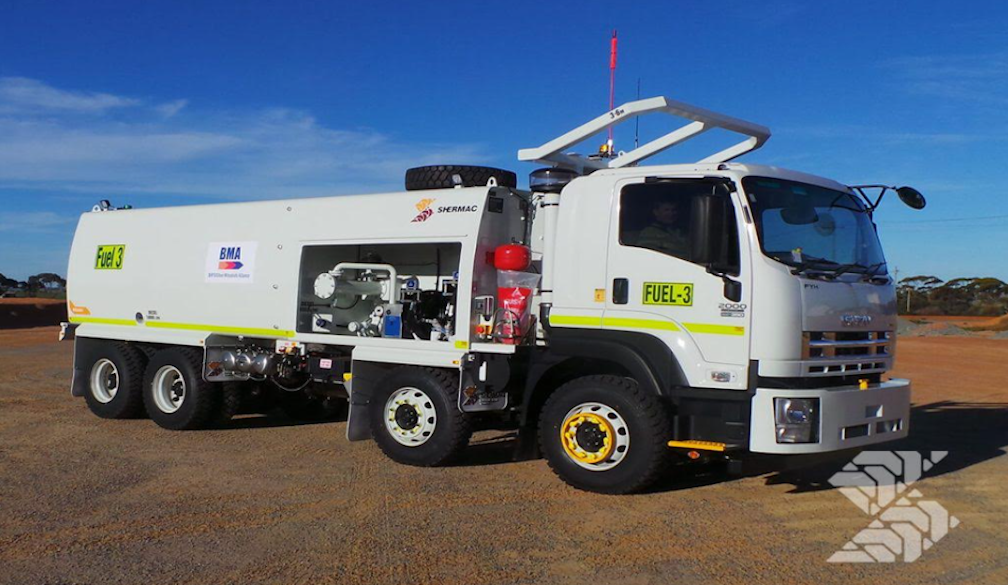
In the demanding landscape of Australian industries, operational efficiency is not just a goal; it's a competitive necessity. For businesses operating in remote sites, large-scale construction, mining, agriculture, or logistics, the ability to refuel heavy machinery and equipment quickly and safely on-site is paramount. This is where dedicated fuel trucks emerge as an indispensable asset, providing a strategic advantage that impacts productivity, safety, and ultimately, your bottom line.
These purpose-built vehicles are engineered to deliver diesel, petrol, or other critical fluids directly to where they are needed, eliminating downtime associated with off-site refuelling. They are far more than just trucks with tanks; they are sophisticated mobile refuelling stations designed for rugged Australian conditions, built to withstand extreme environments while ensuring reliable service.
The Undeniable Benefits of Integrating Fuel Trucks into Your Fleet
Adopting specialised fuel delivery solutions can revolutionise your operational flow. The strategic deployment of fuel trucks translates into tangible benefits across multiple facets of your business, enhancing profitability and mitigating common operational challenges.
Maximised Operational Efficiency and Productivity
Downtime is a significant cost factor for any operation. Every minute a piece of machinery is idle, travelling to a central refuelling point, or waiting for fuel, represents lost productivity. Fuel trucks significantly reduce this downtime by bringing the fuel directly to the equipment.
This on-site refuelling capability ensures that your excavators, bulldozers, haul trucks, and generators can operate continuously with minimal interruptions. The seamless flow of work keeps projects on schedule and maximises the output of your valuable assets. Ultimately, more work gets done in less time, directly boosting your overall productivity.
Significant Cost Savings
While the initial investment in a dedicated fuel truck might seem substantial, the long-term cost savings are immense. Reduced travel time for machinery translates to lower fuel consumption for those movements, less wear and tear, and fewer accumulated kilometres on primary equipment, extending their service life.
Furthermore, bulk fuel purchasing opportunities become more viable, allowing businesses to secure better rates and manage fuel inventories more effectively. By controlling your own refuelling logistics, you reduce reliance on third-party services, further trimming operational expenditure.
Enhanced Safety Standards
Safety is non-negotiable, particularly when dealing with flammable liquids in hazardous environments. Modern fuel trucks are designed with a host of advanced safety features that far surpass general transport vehicles. They adhere to stringent Australian standards, ensuring the safe storage and transfer of fuel.
Features such as robust tank construction, advanced pumping systems, spill containment measures, emergency shut-offs, and compliance with dangerous goods regulations minimise risks. Professional operators trained to handle these vehicles further contribute to a safer working environment for everyone on site, reducing the likelihood of accidents and environmental incidents.
Increased Reliability and Uptime
The Australian outback and remote project sites demand equipment that performs without fail. A well-maintained fuel truck ensures a consistent and reliable fuel supply, preventing unexpected shutdowns due to fuel shortages. This proactive approach to fuel management drastically improves equipment uptime.
Having your own mobile refuelling solution provides greater control over your operations, reducing dependence on external factors. It empowers your business with the autonomy to maintain critical operations even in challenging or isolated conditions.
Applications Across Diverse Australian Industries
The versatility of fuel trucks makes them an indispensable asset across a broad spectrum of heavy industries. Their ability to adapt to different operational demands underscores their value.
- Mining and Resources: In the vast and remote mining regions, fuel trucks are critical for keeping colossal haul trucks, excavators, and drilling rigs operational around the clock. They enable continuous production cycles, directly impacting profitability.
- Construction and Civil Engineering: From urban developments to major infrastructure projects, fuel trucks supply excavators, loaders, rollers, and cranes. They ensure work progresses smoothly without the need to move heavy machinery off-site for refuelling.
- Agriculture: Large farming operations often invest in farm fuel tanks for sale to keep machinery running efficiently across vast properties. Fuel trucks deliver diesel to tractors, harvesters, and irrigation pumps, maximising efficiency during critical planting and harvesting seasons.
- Logistics and Transport: While less about on-site refuelling for stationary equipment, some logistics firms utilise fuel trucks for remote fleet support or for refuelling specialised vehicles that cannot easily access public service stations.
- Government and Defence: Emergency services, disaster relief, and defence operations rely on rapid deployment and sustained functionality. Fuel trucks provide the mobile energy required to keep vital vehicles and generators running in critical situations.
Choosing the Right Fuel Truck for Your Business Needs
Selecting the appropriate fuel truck is a strategic decision that requires careful consideration of several factors. A tailor-made solution will deliver the best return on investment and operational advantages. Australian manufacturers such as Shermac design mine-spec fuel trucks engineered for reliability in harsh conditions.
Capacity and Payload Requirements
The size and capacity of the fuel tank are crucial. It must be sufficient to meet the daily or multi-day refuelling needs of your fleet without requiring constant returns to a central depot. Consider the number and fuel consumption of your equipment to determine the optimal tank size.
Payload capacity is also vital, especially when considering additional fluids like lubricants or DEF (Diesel Exhaust Fluid) that might be carried. Ensure the truck chassis can safely handle the weight of the fuel and associated equipment.
Terrain and Environmental Adaptability
Australian conditions are notoriously harsh and diverse. Whether operating on rugged mine roads, soft agricultural fields, or challenging construction sites, the truck must be built for purpose. Robust chassis, heavy-duty suspension, and appropriate tyre configurations are essential for navigating difficult terrain.
Consider features that protect components from dust, extreme temperatures, and moisture. Tropical environments may require specific cooling enhancements, while arid regions demand superior dust filtration systems.
Advanced Safety Features and Compliance
Beyond the basic safety requirements, look for advanced features. These include sophisticated anti-spill systems, vapour recovery, multiple emergency stops, fire suppression systems, and comprehensive lighting for night operations. Ensure the truck fully complies with Australian Design Rules (ADRs) and relevant state/territory dangerous goods regulations for transportation and dispensing. Mine-spec compliance is standard in high-quality builds, ensuring safety and alignment with site requirements.
A reputable manufacturer will provide full documentation and certification, giving you peace of mind regarding compliance and safety standards. Always verify these credentials.
Customisation Options and Integration
Every operation has unique needs. The ability to customise your fuel truck is a significant advantage. This could include specific pumping rates, multiple fuel compartments for different types of fuel, integrated lube systems, air compressors, or custom storage compartments for tools and parts.
Discuss your exact requirements with the manufacturer to ensure the final product is perfectly integrated into your existing workflow and equipment. A bespoke solution can significantly enhance efficiency.
Manufacturer Reputation and After-Sales Support
Investing in a fuel truck is a long-term commitment. Choose a manufacturer with a proven track record for quality, reliability, and robust after-sales support. Australian manufacturers often understand the local conditions and regulatory environment best, providing tailored solutions and readily available parts and service.
Reliable support ensures that your investment remains operational and any issues are resolved swiftly, minimising costly downtime. Check testimonials and industry standing.
The Future of Mobile Refuelling: Innovation and Technology
The design and functionality of fuel trucks are continuously evolving. Modern advancements are focused on further enhancing safety, efficiency, and environmental responsibility.
Telemetry and Fleet Management Integration
Many contemporary fuel trucks can be integrated with advanced telemetry and fleet management systems. This allows for real-time tracking of fuel levels, dispensing rates, fuel consumption per asset, and even driver behaviour. Data analytics derived from these systems provide invaluable insights for optimising fuel logistics and identifying potential inefficiencies.
This level of data visibility supports predictive maintenance, better inventory management, and improved operational planning, driving smarter decision-making across the board.
Environmental Considerations and Emission Controls
With increasing environmental awareness, modern fuel trucks are designed to minimise their ecological footprint. This includes features for reducing spills, improving fuel efficiency of the truck itself, and incorporating technologies for lower emissions.
Some even feature systems for handling alternative fuels or hybrid power take-off (PTO) systems to reduce engine idling and associated emissions during dispensing operations. These innovations help businesses meet their corporate social responsibility targets.
Maintaining Your Fuel Truck for Longevity and Performance
A fuel truck is a critical asset, and like all heavy machinery, it requires diligent maintenance to ensure optimal performance and longevity. Regular servicing and proactive care are essential.
This includes routine checks of the pumping system, hoses, nozzles, filters, and safety interlocks. Engine and chassis maintenance, fluid level checks, and tyre inspections are equally important. Adhering to the manufacturer's recommended service schedule will prevent minor issues from escalating into major, costly repairs.
The ROI of a Dedicated Fuel Truck Fleet
Calculating the return on investment (ROI) for a fuel truck often shows a compelling case. The initial capital outlay is quickly offset by the accumulated savings in operational costs, increased productivity, reduced downtime, and enhanced safety. For many Australian businesses, particularly those with significant fuel consumption and remote operations, a fuel truck transitions from a desirable asset to an essential one, directly contributing to profitability and competitive advantage.
Consider the cumulative impact of these benefits: projects completed faster, equipment lasting longer, fewer safety incidents, and better resource allocation. These factors collectively underscore the strategic value of incorporating high-quality fuel trucks into your operational strategy.
Frequently Asked Questions About Fuel Trucks
What are the primary advantages of using a dedicated fuel truck for my business?
The primary advantages include significant increases in operational efficiency and productivity due to on-site refuelling, leading to reduced equipment downtime. Businesses also benefit from substantial cost savings through bulk fuel purchasing and reduced travel time, alongside enhanced safety due to purpose-built designs and compliance features.
Are fuel trucks suitable for remote Australian conditions?
Absolutely. Leading Australian manufacturers design fuel trucks specifically to withstand the harsh and diverse conditions found across the continent. This includes robust chassis, heavy-duty suspension, and protection against extreme temperatures, dust, and rugged terrain, ensuring reliable operation in remote areas.
What safety features should I look for in a fuel truck?
Key safety features to look for include robust tank construction, advanced pumping systems with emergency shut-offs, comprehensive spill containment measures, vapour recovery systems, and fire suppression. It's crucial that the truck complies with all Australian Design Rules (ADRs) and dangerous goods regulations.
Can fuel trucks be customised to meet specific operational requirements?
Yes, customisation is a major benefit. Fuel trucks can be tailored with specific tank capacities, multiple compartments for different fuel types, integrated lube systems, air compressors, and custom storage for tools. Discussing your unique needs with the manufacturer ensures a bespoke solution that perfectly integrates with your operations.
How do fuel trucks contribute to cost savings beyond just efficiency?
Beyond efficiency, fuel trucks contribute to cost savings by enabling bulk fuel purchases at better rates, reducing wear and tear on primary machinery from less travel to refuelling points, and decreasing reliance on potentially more expensive third-party refuelling services. They also help extend the lifespan of your heavy equipment.
What kind of maintenance is required for a fuel truck?
Regular maintenance is crucial for longevity and performance. This includes routine checks of the pumping system, hoses, nozzles, and filters. Standard vehicle maintenance such as engine and chassis servicing, fluid level checks, and tyre inspections are also vital. Adhering to the manufacturer's recommended service schedule is essential.






