UTS ranks 15th in the world, 2nd in Australia for positive impact
- Written by: PR Newswire
International index ranks UTS in the top tier of universities working towards a more sustainable future.
SYDNEY, April 29, 2022 /PRNewswire/ -- University of Technology Sydney (UTS) has been named the 15th best performing university in the world – and the 2nd best in Australia – in the 2022 Times Higher Education Impact Rankings[1]. UTS placed second globally for meeting sustainability challenges in clean water and sanitation, and third for addressing responsible consumption and production.
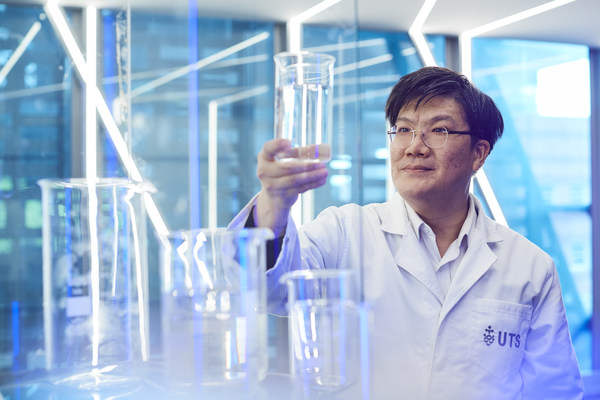 Professor Hokyong Shon is working on membrane technology for circular economies. Photo Toby Burrows.
The 2022 Times Higher Education Impact Rankings assessed more than 1,400 universities around the world for their contribution in helping to achieve United Nations Sustainable Development Goals (SDGs).
UTS Vice-Chancellor Professor Andrew Parfitt said the ranking was due to the stellar work being done across UTS to deliver outcomes that drive positive change for their communities.
"As the world grapples with an accelerating decline in the state of the environment, UTS is responding by addressing some of the greatest challenges facing humanity today," he said.
"At UTS, we're consciously directing our research, teaching and campus operations to deliver community impact. This ranking is recognition of the value of our innovative partnerships and the drive of our staff and students to be leaders in this area."
Examples where UTS projects are delivering more sustainable outcomes include:
Enterprise in Water, Sanitation and Hygiene[2] research initiative to advise South East Asian policy makers and practitioners on providing universal access to safe drinking water without discrimination. (SDG Clean water and sanitation)
Membrane technologies for water purification[3] that recover fresh water from unconventional sources including saline groundwater, wastewater and human urine. (SDG Responsible consumption and production)
Composting 50 tonnes of food waste[4] from on-campus venues including the plastic-free UTS Central Food Court, which are then sent to a regional garlic farm and returned to retailers at UTS and across Sydney (SDG Responsible consumption and production)
Widespread use of solar energy[5] from campus rooftops and solar farms in regional NSW (SDG Affordable and clean energy)
This year was the first time UTS has been involved in the Times Higher Education Impact Rankings, an annual assessment of the research, stewardship, outreach and teaching performance of participating international universities against the 17 UN SDGs.
Discover the University of Technology Sydney and hear live from academics, students, and staff. Register for UTS Virtual Open Week[6] (10-12 May)
References
- ^ 2022 Times Higher Education Impact Rankings (www.timeshighereducation.com)
- ^ Enterprise in Water, Sanitation and Hygiene (www.uts.edu.au)
- ^ Membrane technologies for water purification (www.uts.edu.au)
- ^ Composting 50 tonnes of food waste (www.uts.edu.au)
- ^ Widespread use of solar energy (www.uts.edu.au)
- ^ Register for UTS Virtual Open Week (www.uts.edu.au)

Read more https://www.prnasia.com/story/archive/3739722_AE39722_0