

Murray–Darling Basin compliance activity and outcomes report released
- Written by: Business Daily Media
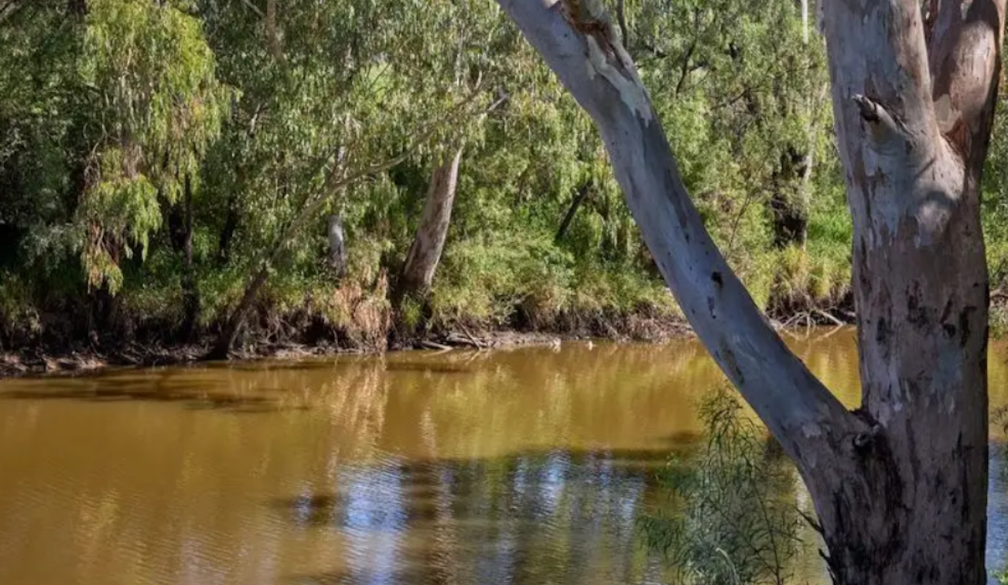
The independent Inspector–General of Water Compliance (IGWC), the Hon. Troy Grant, has released the second Murray–Darling Basin Compliance Activity and Outcomes Report (CAOR).
This Basin-wide report covers activities in 2023 to 2025, building on the 2022-23 report, and presents a picture of how Basin State regulators monitor water take, apply compliance tools and report publicly on their work. Together with other IGWC publications like the Metering Report Card and the upcoming stocktake of the Murray-Darling Basin Compliance Compact, it aims to make water take compliance and activity across the Murray–Darling Basin more accessible and transparent to the public, to give confidence that compliance is being monitored, and non-compliance acted upon.
The Murray–Dalring Basin spans more than 1 million square kilometres across 4 states and one territory, making its regulatory environment complex, and access to basin-wide information challenging. Across the Basin, regulators oversee about 92,000 regulated entities, and nearly 125,000 authorisations to take water. This complexity and scale explains why consistent Basin-wide reporting on compliance activity remains important.
This report includes information from all jurisdictions and enables comparisons and contrasts in activity and approach. However, it also makes clear that comparisons between Basin States have limits. Different legal frameworks, delivery models, environmental conditions, metering rollout and counting rules all shape what regulators do and how this is recorded and reported.
Consistent water metering and telemetry approaches are critical as they provide timely and data-driven evidence for regulators to better understand water take, identify potential anomalies and target enforcement effort.
While the report demonstrates compliance activity is occurring across the Basin, without considering its impact, activity is not enough. “While activity metrics matter, they do not alone explain how compliance effort has impacted the Basin, whether compliance risks are reducing, or how compliance effort is contributing to better environmental outcomes,” Mr Grant writes in the report.
To this end, this report outlines future work with Basin State regulators to test whether metrics that present volume-based data on non-authorised take can strengthen the public’s understanding of the outcomes of compliance activities and the positive impact they can have in enhancing environmental outcomes.






