What is the Token Standard?
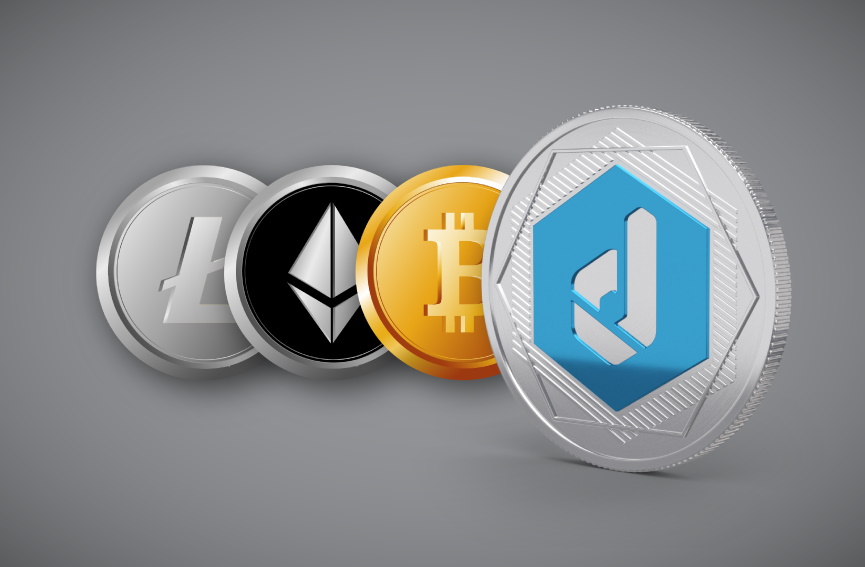
The cryptocurrency ecosystem cannot function without tokens. From digital money to physical assets like gold and real estate, tokens can stand in for anything. An established set of guidelines for how a particular kind of token should operate in a blockchain network is known as a token standard. Token standards will be discussed in this article, along with their significance.
ERC20 token standard
His ERC20 standard, which stands for Ethereum Request for Comment 20, is the most well-known token standard. The Ethereum blockchain uses the ERC20 standard, which defines a set of rules for creating tokens that can be used in smart contracts. The ERC20 standard specifies rules for transferring tokens, obtaining the entire token supply, and obtaining the balance of a specific address.
The expansion of the cryptocurrency market depends on the ERC20 standard. This makes it simple for developers to make tokens that can be traded and used in smart contracts. Decentralized exchanges and prediction markets are just a couple of the new decentralized applications that have emerged as a result.
Examples of ERC20 tokens: Tether (USDT), Maker (MKR), Binance Coin (BNB), Chainlink (LINK), Uniswap (UNI).
Other token standards
The ERC20 standard is the best known, but many other token standards are in use today.
Other common token standards are:
ERC721: This standard is used to create tokens that are unique, indivisible, and non-fungible (NFTs). NFTs can represent one-of-a-kind assets such as artwork, collectibles, and in-game items.
ERC1155: This standard is used to create tokens that are partially fungible or semi-fungible. Semi-fungible tokens, such as in-game items, can be used to represent assets with different attributes but a common underlying value.
BEP20: Binance Smart Chain uses this standard, which is similar to the ERC20 standard. It contains rules for transferring tokens, obtaining the entire token supply, and obtaining account balances for specific addresses.
What is the significance of token standards?
Token standards are important because they establish a set of guidelines that allow various tokens to be easily exchanged and used in smart contracts. Without token standards, each new token would have to be created from the ground up, which would be time-consuming and would prevent interoperability between different tokens.
Additionally, the use of standards for tokens helps to guarantee their reliability and security. By observing a clear set of guidelines, developers can make sure that their tokens behave predictably and securely. Token standards also encourage innovation in the cryptocurrency industry. The token standard streamlines the process of developing new tokens and decentralized applications by giving developers a set of rules to adhere to. This has led to a plethora of new use cases for cryptocurrencies, ranging from in-game currency to real estate investment.
In conclusion
Token standards are a necessary component of the cryptocurrency industry. They provide a set of guidelines for exchanging different tokens and using them in smart contracts. Although the ERC20 standard is the most well-known, there are many others in use today, including
non-fungible and semi-fungible token standards.
Token standards are crucial because they ensure that tokens are safe, work as intended, and encourage innovation in the cryptocurrency sector. New token standards will emerge as the cryptocurrency industry develops, creating more opportunities for growth and innovation.