

What are Compound Prescriptions
- Written by: NewsServices.com
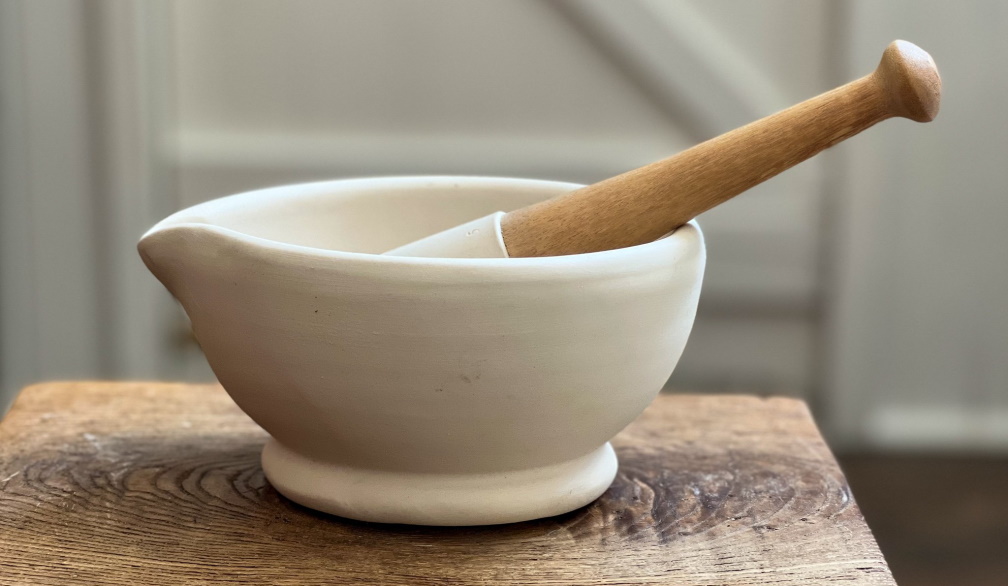
What are compound prescriptions? This is a question that many people don't know the answer to. Simply put, they are medications that are either made up of more than one ingredient, or tailored medication recipes to cater for a patient's allergies or consumption preferences (liquid vs. capsules, etc.).
This may sound like a simple concept, but there are many benefits to using compounded prescriptions instead of single-ingredient medications. In this blog post, we will discuss what compound prescriptions are, what they treat, how they are made, and the benefits associated with them.
-
What are compound prescriptions and what do they treat?
Compound prescriptions are made up of two or more ingredients. These ingredients can be combined to create a tailored medication that is specific to the needs of the patient. For example, a compounding pharmacy might make a topical cream for a patient with eczema that contains an anti-inflammatory agent and a skin moisturiser. This type of prescription can be tailored to the specific needs of the patient, which is not always possible with single-ingredient medications.
-
How are compound prescriptions made, and who makes them?
Compound prescriptions are made by compounding pharmacies. These pharmacies have specialised staff and equipment that allow them to create these tailor-made medications. The ingredients in a compound prescription are combined in a specific way to ensure that they are effective and safe for the patient to use.
Compounding pharmacies are regulated by state boards of pharmacy, which set strict guidelines on how these medications are made. Only a licensed pharmacist can compound a prescription, and all compounding pharmacies must have a license as well.
-
What are the benefits of using compound prescriptions instead of single-ingredient medications?
There are many benefits to using compound prescriptions instead of single-ingredient medications. One of the most important benefits is that they can be tailored to the specific needs of the patient. This means that the medication can be made to address the exact symptoms that the patient is experiencing, which is not always possible with single-ingredient medications.
Another benefit is that they can be made without certain ingredients that the patient may be allergic to. Finally, compound prescriptions can be made in different forms, such as liquids, creams, or gels. This is helpful for patients who have difficulty swallowing pills or who prefer not to take medication in pill form.
How can you tell if a compounded prescription is right for you or a loved one?
If you or someone close to you is taking medication and you're not sure if it's the best option, talk to your doctor or pharmacist. They will be able to tell you if a compound prescription would be better suited to your individual needs and preferences. Look for a compounding pharmacy in Balwyn today.






