The Growing E-Bike Market: How Manufacturers Are Meeting Changing Consumer Needs
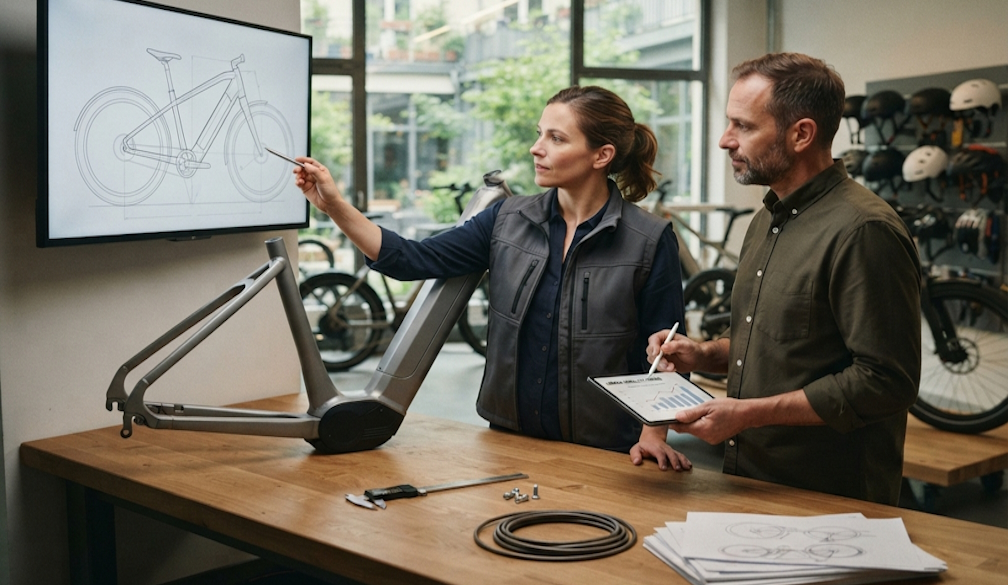
The electric bicycle market is evolving as consumers look for more flexible, affordable, and convenient ways to travel. What was once considered a niche product for cycling enthusiasts has become an increasingly practical option for daily transportation, outdoor recreation, fitness, and short-distance travel.
In the United States, this shift is creating new opportunities for electric bike manufacturers. Consumers are no longer looking only for higher motor power or longer battery range. They also want comfortable designs, reliable batteries, practical features, and products that can adapt to different riding environments.
Many manufacturers are responding to these changing expectations by offering electric bikes with different motor configurations, battery capacities, frame designs, and riding capabilities. Compact fat-tire models, for example, combine a small wheel platform with wide tires, full suspension, and a powerful hub motor.
Understanding these market changes helps explain why the electric bicycle industry continues to attract attention from consumers and businesses.
1. The E-Bike Market Is Changing, Not Simply Growing
The U.S. electric bicycle market has experienced both opportunities and challenges in recent years.
According to PeopleForBikes, the U.S. bicycle market was worth approximately $6.6 billion in 2024, representing an 8% decline compared with the previous year. However, conventional retail figures do not capture the entire electric bicycle market.
PeopleForBikes identified approximately 450,000 direct-to-consumer e-bike sales in 2024, representing around $800 million in sales that traditional market measurements had missed. Another estimated 80,000 Eco-Friendly Transportation were sold through peer-to-peer marketplaces.
When these additional channels are considered, nearly one million Electric Mobilitys were bought or sold in the United States in 2024.
These figures reveal an important development: the market is becoming more diverse, with online brands, direct-to-consumer businesses, resale platforms, and traditional bicycle retailers all playing important roles.
Another interesting comparison comes from Germany. PeopleForBikes reported that electric bicycles represented approximately 7% of U.S. bicycle sales by unit volume in 2024, compared with around 53% in Germany.
This difference suggests considerable room for further adoption in the American market, although infrastructure, consumer habits, pricing, and regulations will influence how quickly that happens.
For manufacturers, the opportunity is not simply to sell more powerful electric bicycles. It is to develop products that solve different transportation and recreational needs.
2. What Do Modern E-Bike Consumers Really Want?
Consumer expectations are becoming more practical. Buyers increasingly evaluate an electric bicycle based on how well it fits their daily lives.
A 2025 YouGov survey of 1,212 U.S. adults provides useful insight into consumer attitudes toward electric bicycles.
Among respondents who had ridden an Electric Mobility, the most important purchasing considerations included:
- Battery range: 64%
- Price: 59%
- Comfort and ride quality: 48%
- Weight and portability: 43%
- Design: 29%
The survey also identified cost as a significant barrier to adoption. Among adults who had never tried an Electric Mobility, 29% said electric bicycles were too expensive.
These findings highlight several important consumer priorities.
Battery range matters. Buyers want sufficient battery capacity for commuting, errands, recreational rides, and longer journeys without constantly worrying about charging.
Comfort influences purchasing decisions. Suspension systems, seat design, riding position, tire size, and frame geometry can make a significant difference, particularly for people who ride regularly.
Price must match practical value. Consumers increasingly compare specifications, warranty coverage, replacement battery costs, and long-term maintenance expenses before making a purchase.
Versatility is attractive. Many buyers prefer an electric bicycle that can handle different situations rather than purchasing separate bikes for commuting and recreation.
These changing expectations are encouraging manufacturers to develop more specialized products while maintaining practical everyday features.
3. Why Versatility Is Becoming an Important Electric Commuting Feature
One of the most noticeable developments in the electric bicycle industry is the demand for versatile designs.
Traditional bicycles are often designed around specific riding purposes. Road bikes prioritize speed and efficiency, mountain bikes focus on off-road performance, and city bikes emphasize everyday convenience.
Electric bicycles are creating more opportunities to combine these characteristics.
For example, a fat-tire electric bike can offer additional tire volume and a more substantial contact patch, which can be useful on loose gravel, packed dirt, and uneven surfaces. Suspension can further improve comfort when riding over bumps and rough pavement.
This versatility is particularly relevant to consumers who want one electric bicycle for multiple activities.
A rider might use an modern cycling to travel around the neighborhood during the week, visit local parks on weekends, and explore suitable gravel paths during recreational trips.
However, versatility does not mean every electric bicycle is suitable for every environment. Tire design, suspension, motor performance, braking systems, and the rider's experience all influence where a bike can be used safely.
This is where products with a balanced combination of features become attractive.
4. Compact Fat-Tire E-Bikes: A Practical Example of Changing Consumer Needs
Compact fat-tire electric bikes illustrate how manufacturers are combining different features to address modern riding preferences.
Rather than focusing exclusively on speed or motor output, these designs bring together a compact wheel platform, wide tires, full suspension, and multiple riding assistance options.
Typical specifications for this type of bike include:
|
Feature |
Typical compact fat-tire e-bike |
|---|---|
|
Motor |
500W–750W geared hub motor |
|
Motor torque |
Around 60–90Nm |
|
Battery |
48V, around 13–20Ah |
|
Battery capacity |
Around 600–960Wh |
|
Advertised PAS range |
Often advertised up to 60–70 miles |
|
Advertised throttle range |
Often advertised up to 30–40 miles |
|
Tire size |
20 × 4.0 inches |
|
Front suspension |
Around 80–100mm travel |
|
Rear suspension |
Around 100mm travel |
|
Drivetrain |
7- or 8-speed |
|
Maximum payload |
Around 300–440 lbs |
|
Approximate bike weight |
Around 70–85 lbs |
|
Recommended rider height |
Roughly 5'0"–6'3" |
Several features are particularly relevant to current consumer preferences.
A. Compact 20-Inch Wheels and Fat Tires
The 20-inch wheel design gives these bikes a different riding character from conventional electric bikes with larger wheels.
Tires measuring 20 × 4.0 inches provide a wide contact patch that can help riders maintain traction on suitable surfaces, including gravel, packed dirt, and some uneven paths.
The smaller wheel format also gives the bike a distinctive, compact appearance.
For riders who prefer a more compact bicycle design without giving up wide tires, this combination can be appealing.
However, smaller wheels do not automatically make a bicycle lightweight or easy to carry. Many compact fat-tire models weigh 70 to 85 lbs, so buyers should consider storage space, transportation, and suitable bike racks before purchasing.
B. Full Suspension for Everyday Comfort
Comfort is an important factor in electric bicycle purchasing decisions.
Many of these bikes pair a front suspension fork of around 80–100mm with roughly 100mm of rear suspension travel.
This full-suspension configuration helps absorb impacts from uneven roads, small bumps, and suitable off-road surfaces.
For people who ride frequently, suspension can make longer journeys more comfortable and help reduce the physical impact of rough terrain.
It is especially relevant to riders who want to combine everyday transportation with recreational riding.
C. A 720Wh Battery for Longer Rides
Battery capacity is another important purchasing consideration.
A common setup is a 48V 15Ah battery, which provides 720Wh of energy capacity.
Bikes with a battery of this size are often advertised with a range of up to 70 miles with pedal assistance and up to 40 miles using the throttle.
Actual range depends on several factors, including rider weight, terrain, temperature, tire pressure, riding speed, and assistance level.
For example, frequent acceleration, steep hills, and higher assistance settings can increase energy consumption.
A larger battery capacity can provide more flexibility, but consumers should compare realistic riding requirements rather than relying exclusively on advertised maximum range.
D. Flexible Riding Assistance
Different riders prefer different levels of physical effort.
Some models now offer switchable torque-sensing and cadence-sensing assistance.
Torque sensing adjusts motor assistance according to the force applied to the pedals, creating a more responsive riding experience.
Cadence sensing provides assistance based on pedaling movement, which some riders may find easier to use.
Having both options gives riders additional flexibility when adapting the bike to their preferences.
Combined with a 750W geared hub motor and around 90Nm of torque, this type of system is designed to provide substantial assistance for everyday riding and suitable inclines.
5. The Importance of Safety, Reliability, and After-Sales Support
As the modern cycling market expands, consumers are becoming more aware of product safety and long-term ownership considerations.
An electric bicycle is more than a frame and motor. Its battery, electrical system, braking components, tires, and charging equipment all influence the overall riding experience.
Battery safety deserves particular attention.
The U.S. Consumer Product Safety Commission recommends purchasing micromobility products that comply with applicable safety standards. It also advises consumers to use the supplied or manufacturer-approved charger and replacement batteries.
Owners should avoid charging batteries while sleeping or when nobody is present. Modified batteries and incompatible chargers can introduce additional risks.
Before purchasing an electric bicycle, consumers should consider:
- Battery quality and replacement availability.
- Manufacturer warranty coverage.
- Availability of technical support.
- Access to replacement parts.
- Brake performance and regular maintenance requirements.
- Clear instructions for charging and battery storage.
Weather resistance is another consideration. Buyers should understand the difference between water resistance and waterproofing. Even when a manufacturer specifies an IP rating, this does not mean an eco-friendly transportation should be submerged or exposed to uncontrolled high-pressure water cleaning.
These practical considerations are becoming important differentiators between electric bicycle brands.
6. Battery-Powered Bicycles and the Shift Toward More Flexible Transportation
Electric bicycles also have a broader role in transportation.
For some people, an eco-friendly transportation can replace short car journeys, reduce dependence on fuel, or provide an alternative to driving through congested urban areas.
Research published through the U.S. Department of Energy's National Renewable Energy Laboratory has also examined how battery-powered bicycles can replace car trips and reduce transportation energy consumption.
The benefits depend on how people use them. Replacing a short car journey with an electric bicycle can provide a different environmental benefit from replacing a journey that would otherwise have been made on foot or by conventional bicycle.
For consumers, the economic calculation is also relatively straightforward.
The total cost of owning an electric bike includes more than its purchase price. Buyers should consider electricity, maintenance, replacement tires, brake components, battery replacement, accessories, and secure storage.
Nevertheless, for suitable journeys, an electric bicycle can offer a practical alternative to using a car.
Brands that understand these everyday transportation needs may be better positioned to serve a wider range of customers.
7. What Should Consumers Consider Before Buying an Electric-Powered Cycling?
With more models available, choosing an electric bicycle can be confusing.
Instead of focusing on a single specification, consumers should evaluate several factors together.
First, identify the main riding purpose.
A commuter may prioritize comfort, lighting, battery range, and practical accessories. An off-road rider may place greater importance on suspension, tires, braking, and motor performance.
Second, compare battery capacity and realistic range.
Battery watt-hours provide a useful way to compare energy capacity.
The basic calculation is:
Battery Capacity (Wh) = Voltage (V) × Amp-hours (Ah)
For example, a 48V 15Ah battery provides 720Wh.
Third, check the bicycle's weight and payload capacity.
A powerful electric bicycle may be difficult to transport or store if it is particularly heavy. Buyers should also check whether the maximum payload is suitable for their combined rider and cargo weight.
Fourth, understand local electric-powered cycling regulations.
In the United States, electric bicycle classifications and riding rules can vary by state and local jurisdiction. Consumers should verify applicable requirements concerning motor assistance, speed limits, helmets, and where different classes of electric bicycles can be ridden.
Finally, consider long-term ownership costs.
A slightly more expensive model may offer better value if it provides the features, support, and durability needed for regular use.
8. How the Industry Is Responding to Changing Market Demand
The modern electric bicycle market includes consumers with very different expectations.
Some want a practical commuter bike. Others are interested in outdoor recreation, long-distance riding, fat-tire designs, or more powerful electric assistance.
Product ranges across the industry increasingly reflect this diversity, offering different electric bicycle configurations for different riding preferences.
Compact fat-tire models are one example of this approach. Their combination of a 750W motor, 720Wh battery, 20-inch fat tires, full suspension, and switchable riding assistance addresses several common consumer priorities.
This type of bike may be worth considering for adults who want a comfortable, versatile electric bicycle for everyday transportation and recreational riding.
For consumers comparing different models and budgets, Black Friday e-bike deals also provide an opportunity to review current promotional prices and eligible offers.
However, buyers should always compare the final purchase price, product specifications, promotional conditions, warranty coverage, and availability before making a decision.


 Business Daily Media