Is It Worth Repairing a Home Appliance? A Melbourne Guide to Making the Call
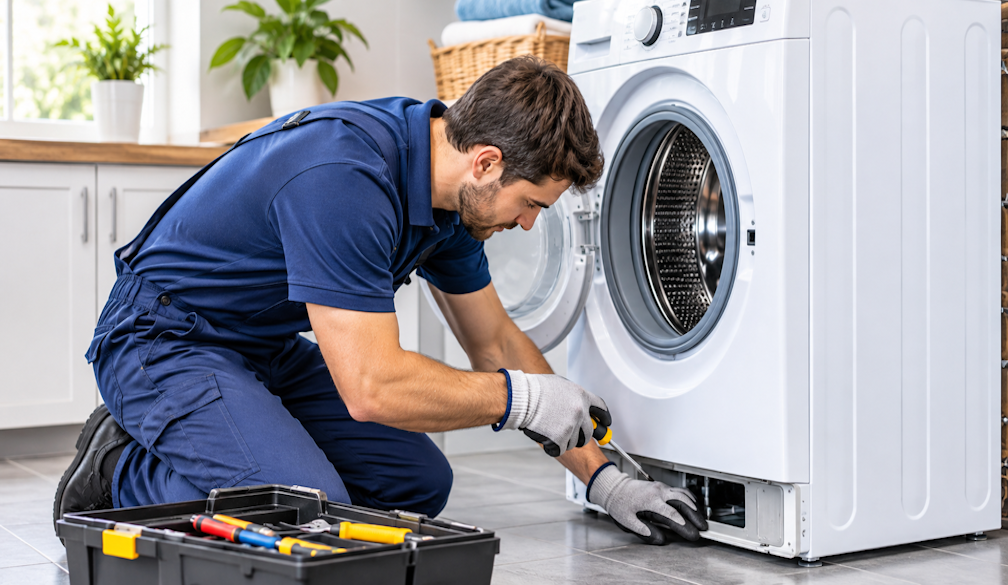
When a washing machine stops draining or an oven takes twice as long to heat up, buying a replacement can feel like the quickest way to get the household running again. But before you order a new appliance, compare the total cost of repairing the one you have with the total cost of installing a suitable replacement. The price on the shelf is only one part of that decision.
Repair is usually worth considering when the fault is isolated, the rest of the appliance is in good condition and the part is available. Replacement starts to make more sense when breakdowns are becoming frequent, parts are hard to source or the repair quote comes close to what you would pay for a comparable appliance delivered and installed.
1. Start with the fault, then consider the age
A washing machine that leaves water in the drum could have a drainage problem. A dishwasher that finishes its cycle but leaves plates dirty could have an issue with water circulation or heating. The same symptom can have several causes, each with a different repair cost.
Age helps put the quote in context. If the appliance has worked reliably for years and this is its first fault, a repair may give you more use from a machine that already suits your household. If you’ve paid for several repairs in the past year, add those costs to the picture and consider how much disruption another breakdown would cause.
Before booking a service call, note the model number, any error code and exactly when the problem happens. “The washer stops just before the spin cycle” gives a technician more to work with than “the washer is broken”.
2. Compare the full costs on both sides
On the repair side, ask what the initial visit covers and whether parts, labour or a return visit will cost extra. Ask whether the diagnosis fee forms part of the final bill and what warranty applies to the completed work.
On the replacement side, include delivery, installation and removal of the old appliance. For a built-in oven or dishwasher, check the dimensions and installation requirements before using an advertised price for comparison. A discounted appliance is only a direct comparison if it fits the space and does what your household needs.
For a local example of how a service call and additional repair costs are handled, see the Melbourne appliance repair pricing guide from Appliance Repairs Online. Our business services metropolitan Melbourne and explains what its diagnosis fee covers and when it provides a separate repair quote. Appliance Repairs Online
3. Check when you’ll actually have a working appliance
The earliest appointment and the earliest completed repair can be two different dates. A technician may be able to diagnose a fault quickly, but a replacement part might need to be ordered. A retailer might have a new appliance in stock but offer a later installation date.
That distinction matters when you’re relying on a single fridge or doing several loads of washing each week. Ask the repairer when the likely part can arrive and the retailer when the replacement can be installed. Compare the dates you can actually use the appliance again.
4. Check your paperwork before paying for a diagnosis
If the appliance was bought recently, pull up your receipt or order confirmation and contact the retailer about the fault before arranging a paid repair. For an appliance you rent with the property, check with the property manager or landlord before booking a technician. If the appliance has already been repaired for the same problem, check the previous invoice for any repair warranty.
When does replacement make more sense?
Replacement is worth a closer look when the appliance has several faults, a critical part is unavailable or your household has outgrown it. For example, fixing a washing machine with a drum that’s too small for your family may solve the immediate problem while leaving you with the same extra loads every week.
If the appliance still suits you and the quote is comfortably below the installed cost of a comparable replacement, repair is often the practical choice. The best comparison gives you three things you can act on: the full cost, the likely completion date and what’s covered if the same fault returns.


 Business Daily Media