Why Pest Problems Often Start Before You Ever See a Pest
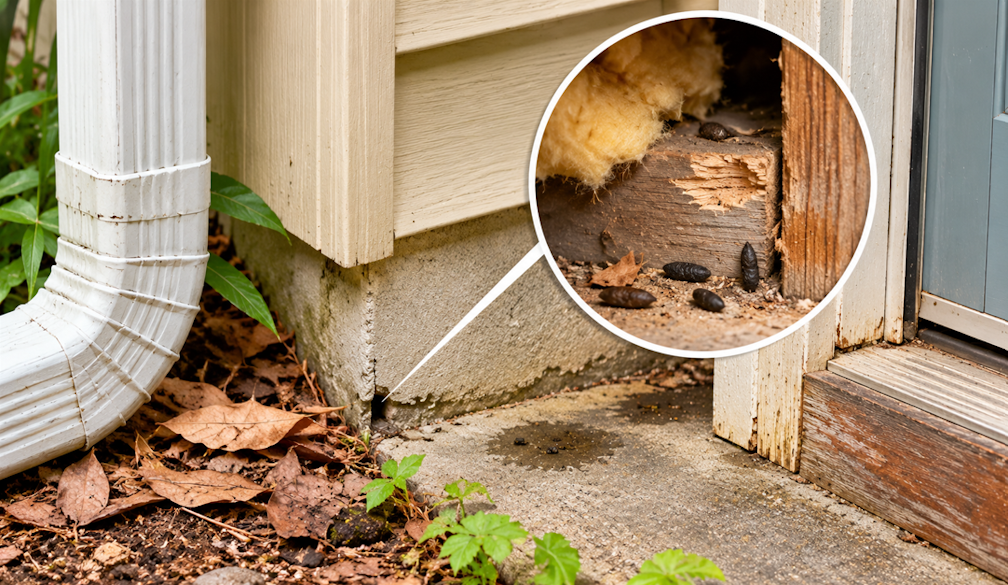
Pest problems often begin long before there is anything obvious to see. Understanding the early signs of pest infestation can help homeowners respond sooner, narrow down where pests may be hiding, and decide when professional pest control may be needed.
Why Signs Of Pest Infestation Appear Before Pests Do
Pests usually settle into the quietest parts of a property first. Wall voids, attics, crawl spaces, basements, cabinets, insulation, plumbing chases, and areas behind appliances give insects and rodents places to feed, nest, and reproduce with little disturbance. Many species are also nocturnal, so their most active hours occur when people are asleep.
A visible pest may therefore be one of the later clues. Earlier evidence can include small droppings, gnaw marks, shed skins, egg casings, grease marks, damaged packaging, unusual odors, or faint scratching sounds. These signs of pest infestation may develop while a pest is feeding, nesting, or traveling through a property for days or weeks without becoming visible.
What matters most is not simply whether a pest has been seen, but whether the property is supporting pest activity. Food residue, moisture, warmth, shelter, and hidden access routes can allow pests to establish themselves without regularly entering open living spaces. These conditions can also make pest infestation signs easier to recognize before regular sightings begin.
This is why early infestations are often detected through patterns rather than sightings. A new odor near one cabinet, recurring debris beneath the same section of trim, or droppings that reappear after cleaning can reveal activity before the pest itself becomes easy to spot.
What Sign Is Most Likely To Indicate A Pest Infestation
The most convincing sign is fresh evidence that keeps returning. Fresh droppings are especially useful because they often reveal where pests are feeding, traveling, or nesting. A recurring sign of pest infestation is generally more meaningful than an isolated clue.
A single clue deserves attention, but several signs appearing together, such as droppings, damaged food packaging, odors, and nighttime noises, provide stronger evidence that pests are established inside the property.
One dropping, damaged package, or insect wing may have an innocent explanation. Evidence that reappears in the same location after it has been cleaned or removed is much more significant because it indicates continuing activity. A sign of pest infestation becomes more concerning when it repeatedly returns in the same area.
Freshness also matters. New gnaw marks tend to look lighter than surrounding material. Fresh rodent droppings are usually darker and softer than older ones. Recently disturbed nesting material or newly deposited insect debris can also help distinguish current activity from evidence left months earlier.
Common Signs Of Pest Infestation Homeowners Miss
Some of the easiest pest signs to miss are minor changes that seem unrelated at first. Small holes in food packaging, unexplained crumbs or debris inside cabinets, tiny piles of sawdust-like material, grease marks along baseboards, shed insect skins, and a few dead bugs near windows can all indicate ongoing activity. These are common signs of pest infestation that may be overlooked when they appear individually.
Homeowners also commonly overlook subtle structural changes. Bubbling paint, hollow-sounding wood, loosened floorboards, damaged insulation, chewed wiring, and small gaps that appear around trim may be connected to insects or rodents. Such changes can become useful pest infestation signs when they develop alongside other evidence.
Odors deserve attention as well. A persistent musty, oily, ammonia-like, or unusually sweet smell can sometimes develop near nesting or harborage areas. When an unfamiliar odor keeps returning in the same location, the surrounding area should be inspected carefully. Persistent odors can be useful pest signs when their source cannot otherwise be explained.
Another commonly missed clue is pest traffic. Rodents and insects often follow consistent routes along walls, pipes, wiring, cabinet edges, and structural seams. Repeated smudges, disturbed dust, or debris along these routes can reveal where pests are moving even when no nest is visible.
The most useful question is often: "What has changed in this area recently?" Small changes can be easier to detect than the pest itself.
Pest Infestation Warning Signs In Hidden Areas
Scratching, rustling, squeaking, tapping, or gnawing inside walls and ceilings may indicate rodents or other animals moving through voids. Sounds are often easiest to notice at night when the house is quiet. These noises can serve as pest infestation warning signs when they repeatedly come from the same location.
Other warning signs include unexplained ceiling stains, damaged drywall, small entry holes, sagging insulation, recurring insects emerging from cracks, and odors that seem to come from inside a wall rather than from the room itself. Activity inside a wall may produce intermittent scratching, small pieces of insulation near an opening, staining around a gap, or an odor that becomes stronger in warm weather.
Basements and crawl spaces may contain droppings, nesting material, insect wings, damaged insulation, gnawed pipes or wiring, mud tubes, webbing, or moisture-related pest activity. Termites can create mud shelter tubes along foundations, while carpenter ants may leave small piles of wood shavings beneath nesting areas. If termite activity is suspected, a termite exterminator can inspect the affected area and determine the extent of the infestation. Pay attention to disturbed insulation, repeated debris beneath joists, unexplained soil or mud deposits, damaged vapor barriers, and gaps around utility penetrations. These conditions may act as pest infestation warning signs even when no pest is visible.
A useful clue is location consistency. Activity above a ceiling can sometimes be inferred from noises that consistently occur along the same path. Noise or debris that repeatedly appears along one wall, plumbing chase, foundation edge, or ceiling line can help narrow the likely travel route or nesting zone.
Droppings, Damage, Odors, And Other Pest Signs
Droppings vary considerably by pest. Mouse droppings are typically small and pellet-shaped, while rat droppings are larger. Cockroach droppings may resemble black pepper or dark smears. Some termites leave tiny, uniform pellets beneath infested wood. Droppings are among the common signs of pest infestation, but their location and condition are important when interpreting them.
The condition and pattern of the evidence can be more informative than the evidence alone. Droppings concentrated along edges, behind appliances, or beneath sinks may suggest a regular travel route. Scattered droppings in several rooms can point to broader movement through the property.
Damage can include gnawed food containers, chew marks on wood or wiring, holes in fabric, damaged stored goods, shredded insulation, weakened timber, or trails through lawns and landscaping. Small piles of wood-like debris can also point to wood-destroying insects. Repeated gnawing around the same opening may indicate an entry point. Damage concentrated near food storage suggests feeding activity. Wood debris directly beneath a beam, frame, or sill may justify closer inspection of the structure above it.
Odors may include musky smells from rodents, oily or musty odors associated with heavy cockroach activity, or ammonia-like smells from accumulated urine. A dead pest trapped inside a wall can create a strong localized odor that appears suddenly. Odors that intensify in enclosed spaces can help locate hidden activity.
Noises are another useful clue. Scratching and scurrying may indicate rodents. Repeated tapping or faint movement inside wood can sometimes accompany wood-destroying insects. The location and time of day can help narrow down the source. A single sound is difficult to interpret; a repeated sound from the same area at similar times is much more useful.
How Pest Infestation Signs Reveal A Single Pest Or Active Infestation
One pest entering through an open door or window does not always mean a colony or nest is present. A single insect near an open window may have entered from outdoors. One sighting alone is not automatically a sign of pest infestation. The same insect appearing repeatedly in a bathroom, pantry, or basement deserves more attention because the location provides moisture, food, or shelter.
The likelihood of an infestation increases when sightings become frequent, occur in several rooms, involve different life stages, or are accompanied by additional evidence. Several pest infestation signs occurring together provide a clearer picture than one isolated observation.
Life stage can also be revealing. Seeing both adult and juvenile pests may suggest reproduction nearby. Multiple individuals of different sizes are generally more concerning than one adult specimen.
Seeing pests during unusual hours can also be significant. Cockroaches, for example, generally hide during the day, so repeated daytime activity can occur when hiding spaces are crowded or heavily disturbed.
Look for patterns over several days. Fresh droppings repeatedly appearing after cleanup, new gnaw marks, recurring insects in the same location, egg cases, nests, shed skins, or continuing noises inside walls all suggest ongoing activity rather than a one-time visitor.
Why Signs Of Pest Infestation Often Appear Late
Many infestations have a visibility threshold. At low numbers, pests may use a small amount of food, produce very little waste, and remain within a confined hiding area. The evidence they create is easy to miss, even when early signs of pest infestation are already present.
As the population grows, food consumption increases, nesting areas expand, waste accumulates, and pests travel farther in search of resources. More pests means more waste, more movement, greater competition for food and shelter, and a higher chance that individuals will leave protected areas. These changes make droppings, odors, damage, sounds, and sightings more noticeable.
Some infestations also become visible after environmental changes. Construction, heavy rain, extreme temperatures, food shortages, or disturbances to nesting areas can push previously hidden pests into occupied rooms. Sudden changes in activity can therefore become pest infestation warning signs rather than evidence that the problem has only just started.
This is why sudden visibility does not necessarily mean the infestation began suddenly. In some cases, it means the population has reached the point where its normal activity can no longer remain concealed.
What To Do When You Notice Pest Signs But No Pest
Document the evidence before cleaning or disturbing the area. Take clear photos of droppings, damage, stains, shed skins, insects, entry holes, or other unusual material. Note the exact location, time, quantity, and condition of anything unusual. A simple record can reveal patterns that are easy to miss from memory alone. Recording common signs of pest infestation can also make changes over time easier to compare.
Inspect nearby areas with a flashlight, paying particular attention to cracks, plumbing penetrations, cabinet corners, appliance gaps, baseboards, stored food, utility rooms, attics, basements, and crawl spaces. You can also inspect outward from the evidence rather than searching the entire room. Follow nearby walls, pipes, cabinet edges, utility openings, and other natural travel routes. Avoid reaching blindly into wall voids or enclosed spaces where rodents, stinging insects, contaminated nesting material, or damaged wiring may be present.
Avoid focusing only on finding the pest. Try to determine whether the evidence is active. Clean or photograph the area, then monitor it for several days to see whether the same sign returns. Comparing pest signs over several days can help distinguish ongoing activity from an isolated event.
If the evidence continues to appear, treat that recurrence as useful diagnostic information. A pest control professional can often identify an infestation from the pattern, location, and condition of the evidence even when the pest itself is not visible.
When the evidence is persistent, widespread, difficult to identify, or connected to possible termites, rodents, bed bugs, stinging insects, mosquitoes, or structural damage, a professional pest inspection is usually the safest way to identify the pest, locate its harborage, and determine how extensive the problem has become. In cases involving recurring mosquito activity around the property, mosquito control may also be needed to address breeding areas and reduce the population.

 Business Daily Media