A Guide to Truck Ban Timings and Road Restrictions in Dubai
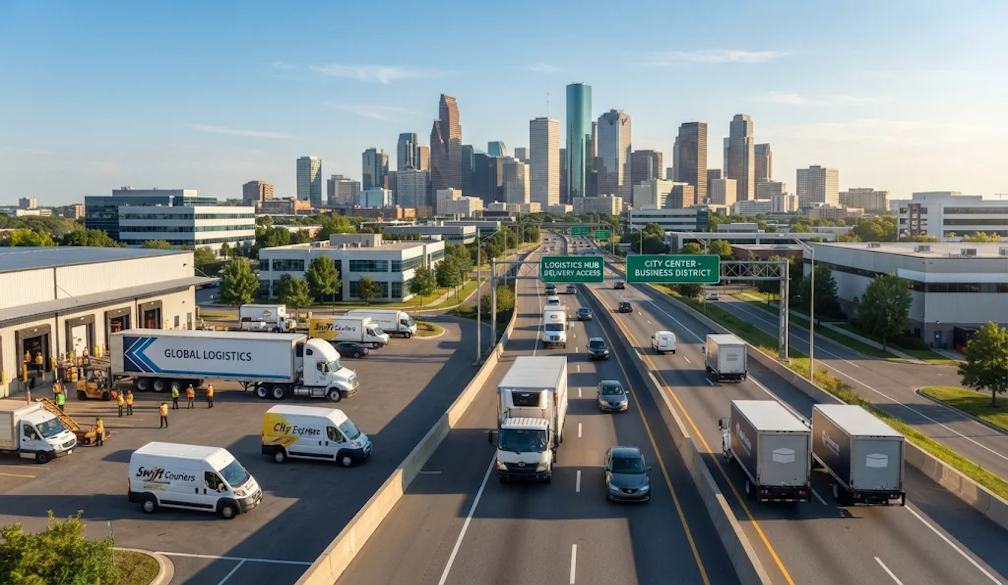
Dubai's road network plays a vital role in supporting its growing logistics, construction, and commercial sectors. Thousands of trucks transport goods across the emirate every day, connecting warehouses, ports, businesses, and distribution centres. However, managing heavy vehicle movement is essential to maintaining road safety and reducing traffic congestion.
The Roads and Transport Authority (RTA), in coordination with Dubai Police, enforces specific truck movement restrictions across the emirate. Transport companies, truck owners, and drivers must understand these regulations to plan deliveries, avoid penalties, and maintain efficient operations.
Understand the Truck Ban Timings in Dubai
For transport companies planning deliveries, information on truck ban timings Dubai is essential for understanding when and where heavy vehicles can operate. Restrictions vary depending on the road, location, and traffic conditions. Some routes have restrictions throughout the day, while others allow truck movement outside designated peak hours.
From 1 October 2026, updated restrictions apply across designated roads in Dubai. The main restriction categories include:
- 24-hour restrictions: Certain roads and crossings prohibit truck movement throughout the day.
- 16-hour restrictions: Selected roads and residential areas restrict trucks from 6:00 AM to 10:00 PM.
- Peak-hour restrictions: Certain urban roads prohibit truck movement during three daily periods.
Understanding these categories helps transport operators schedule journeys more effectively.
Know Which Roads Have Truck Restrictions
Not every road in Dubai follows the same restrictions. Some major routes have stricter controls because of traffic density and infrastructure requirements.
Several roads and locations have round-the-clock truck restrictions, including Al Qudra Street, Al Meydan Street, Airport Tunnel, and designated crossings.
Other roads and areas, including Sheikh Zayed Road, Beirut Street, Al Mizhar, Muhaisnah, and Oud Al Muteena, have daily restrictions from 6:00 AM to 10:00 PM.
Drivers should also pay attention to road signs and local traffic instructions, as restrictions may differ between connected routes.
Understand the Three Daily Peak-Hour Restrictions
Certain urban roads have three separate restriction periods designed to reduce congestion during busy travel hours.
The applicable timings are:
- Morning: 6:30 AM to 8:30 AM
- Afternoon: 1:00 PM to 3:00 PM
- Evening: 5:30 PM to 8:00 PM
These restrictions apply to selected urban roads, including Airport Street, Oman Street, and Damascus Street.
Transport companies should account for these periods when arranging deliveries, particularly when vehicles need to travel through busy commercial and residential districts.
Plan Alternative Routes in Advance
When a preferred route is restricted, drivers should use permitted alternative roads rather than attempting to enter prohibited areas.
Emirates Road is exempt from the restrictions introduced across Dubai from October 2026, making it an important option for transport operators planning journeys around affected corridors.
However, drivers should still check the latest traffic instructions and road-specific restrictions before travelling.
Using navigation systems alongside official RTA updates can help identify suitable routes and reduce unnecessary delays.
Apply for Special Mobility Permits When Necessary
Some transport operations may require truck movement during restricted hours. In essential cases, eligible companies can apply for a Mobility Permit for Heavy Vehicles in Banned Times and Roads through the RTA's Right-of-Way Department.
The permit process allows authorities to assess requests based on operational requirements and applicable conditions.
Transport companies should obtain the necessary approval before entering restricted roads. Drivers should never assume that an urgent delivery automatically provides permission to ignore a truck ban.
Use Designated Truck Rest Areas
Truck rest areas provide drivers with safe and organised places to wait during restricted periods.
Dubai's RTA has been expanding these facilities across strategic roads and logistics areas. They offer parking spaces and driver amenities, including rest facilities, prayer rooms, restaurants, and fuel services.
Using designated rest stops helps drivers avoid unauthorised parking along major roads, residential streets, and industrial areas.
Companies should include suitable rest locations in their transport schedules to improve driver safety and operational efficiency.
Keep Your Transport Operations Compliant
Understanding Dubai's truck movement restrictions is essential for transport companies, logistics providers, and independent truck operators.
By checking road-specific timings, planning alternative routes, obtaining required permits, and using designated rest areas, businesses can reduce delivery disruptions and avoid unnecessary traffic violations.
Since traffic regulations and temporary restrictions can change, drivers should regularly consult official RTA announcements and follow road signage before starting their journeys. Proper planning helps businesses maintain reliable deliveries while supporting safer and more efficient roads across Dubai.


 Emma Fawcett, CEO of Compare Club