Material Planning for Projects That Combine Site Equipment and Building Systems
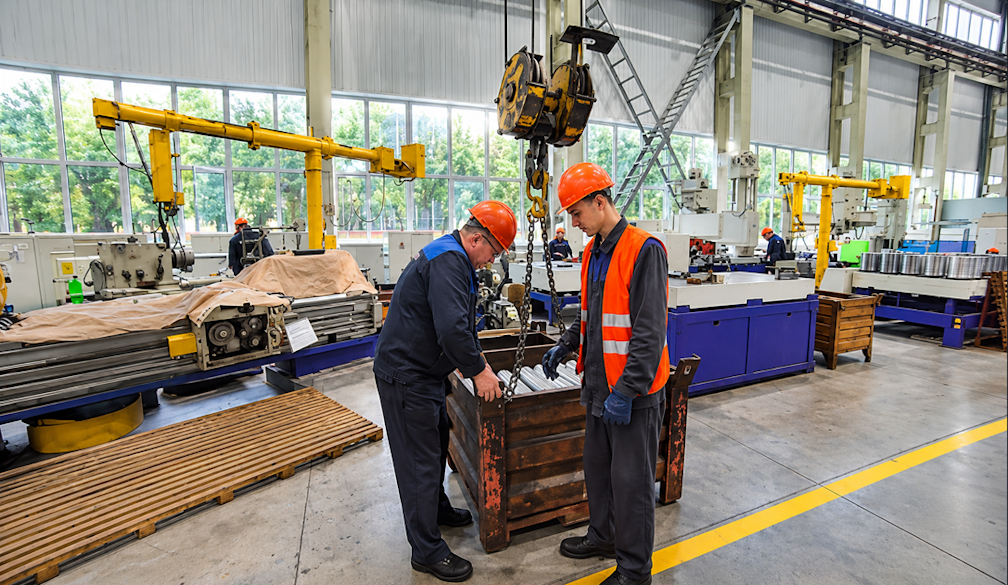
Construction projects involve a wide range of materials, each selected for a particular purpose. Before a building can take shape, contractors may need equipment components for preparing the property, steel products for the structure, and specialized materials for the roof and floor systems. Coordinating these purchases requires an understanding of how materials will be used, when they are needed, and which specifications must be met.
Two areas that illustrate the importance of material planning are equipment replacement parts and structural building products. Although they serve different functions, both require careful attention to dimensions, availability, and application requirements.
Understanding the Demands Placed on Grading Equipment
Site preparation can involve moving large amounts of soil, shaping slopes, maintaining access roads, and establishing the elevations needed for construction. Graders and other earthmoving equipment are frequently used during these activities, making the condition of their cutting edges important to daily operations.
A grader blade must be suited to the machine and the type of work being performed. Material composition, thickness, edge profile, and mounting dimensions can all influence whether a replacement component is appropriate. Choosing a part based only on general dimensions may overlook important differences between equipment models or applications.
The material used to manufacture the cutting edge also deserves consideration. Grader blade barstock may be evaluated by manufacturers and buyers who need material that can be processed into components for grading applications. Accurate specifications help ensure that the material purchased is suitable for the intended production requirements.
Comparing Material Purchases With Actual Usage
Purchasing decisions can affect both production schedules and operating budgets. Ordering too little material may create delays when a component needs to be manufactured or replaced. Ordering too much can tie up funds and create storage challenges, particularly when the material is intended for a specific machine or project.
Companies can improve purchasing decisions by reviewing historical usage, upcoming work, and supplier lead times. They should also distinguish between materials used regularly and those required only for occasional projects.
When evaluating material costs, the quoted price is only one consideration. Freight, minimum order quantities, storage conditions, and processing requirements can all affect the final expense. Comparing these factors helps businesses determine whether a particular purchase arrangement makes sense for their expected demand.
Selecting Roof Materials for the Building Envelope
While equipment components help prepare a construction site, building materials determine how the completed facility will function. Roof systems are particularly important because they must protect the interior while meeting structural and environmental requirements.
Metal decking is used in many commercial and industrial roof assemblies as a structural component that supports the roofing system. Its profile, thickness, span capability, and attachment requirements need to align with the building's engineering specifications.
Roof metal decking may be considered for projects where a steel roof deck is part of the specified construction system. The appropriate product depends on the building design, loading conditions, supporting structure, and other project requirements. Contractors should verify the applicable specifications rather than assuming that different decking profiles can be substituted.
Coordinating Deliveries With the Construction Schedule
Materials are most useful when they arrive at the right stage of a project. Delivering products too early can create storage and handling issues, while late deliveries may prevent crews from completing scheduled work.
Construction managers need to consider how materials will be unloaded, where they will be stored, and what equipment will be required to move them into position. Large steel products may require specific access arrangements, while replacement equipment components may need to be available before scheduled maintenance or field work.
Communication between suppliers and contractors can help reduce uncertainty. Confirming quantities, specifications, delivery dates, and receiving requirements before shipment gives project teams more control over material planning.
Avoiding Costly Substitutions
When a specified product is unavailable, project teams may be tempted to consider an alternative. However, materials should not be substituted simply because they appear similar or can be delivered sooner. A replacement must satisfy the applicable technical requirements and receive the necessary approval.
This is particularly important for structural products. Changes to decking dimensions, material properties, or other specifications can affect how the building system performs. Any proposed substitution should be reviewed by the appropriate design professional before installation.
The same attention applies to equipment parts. A replacement cutting edge must match the intended machine and operating requirements to avoid fitment or performance problems.
Making Purchasing Decisions With the Entire Project in Mind
Construction material planning works best when purchasing decisions reflect the needs of the full operation. Equipment components, structural products, delivery schedules, and installation requirements all influence one another, even when they belong to separate phases of the work.
By confirming specifications early, reviewing actual material demand, and coordinating deliveries with the project schedule, contractors and manufacturers can reduce unnecessary delays. A thoughtful purchasing process helps ensure that the right materials are available when they are needed and suited to the work they are expected to perform.


 Emma Fawcett, CEO of Compare Club