How the Australian Housing Sector is Adapting to the Need for Accessible Living Spaces
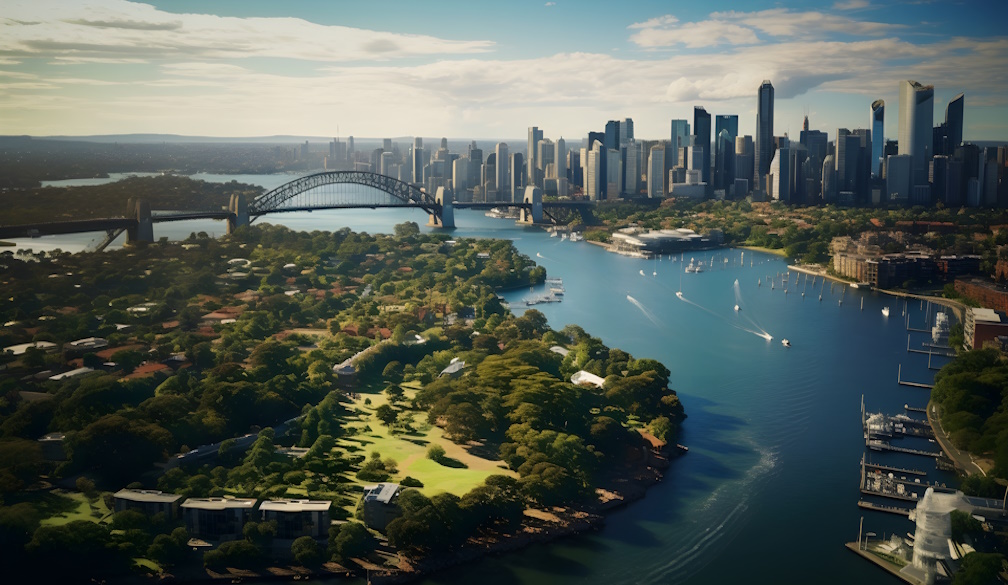
Australia's property sector is undergoing a profound transformation. As developers and institutional investors look for sustainable, long-term yields, there is a distinct shift toward specialised asset classes. Among the most pressing of these is the development of accessible living spaces, an area where social infrastructure meets urgent demographic demand. The need for fit-for-purpose real estate is reshaping the way industry leaders plan new residential projects across the country.
The Scope of Australia's Accessible Housing Shortage
The gap between current housing stock and the needs of disabled Australians remains a significant hurdle for policymakers. Many existing homes lack the fundamental design elements required to support safe and independent living. According to official Australian Institute of Health and Welfare data on housing-related needs, 66 per cent of people with a disability whose dwelling was modified required structural additions like grab rails. Even more concerning, 8.6 per cent were forced to move house entirely to find suitable accommodation.
This shortage has prompted government bodies and industry advocates to call for a rapid expansion in construction. With over 25,000 National Disability Insurance Scheme (NDIS) participants currently approved for specialist funding, nearly 10,000 are still actively seeking appropriate homes. Furthermore, government estimates suggest another 11,600 participants are living in properties that are no longer fit for purpose, requiring urgent modernisation or complete replacement to meet modern living standards.
Transitional Care and Urgent Accommodation Models
Beyond permanent residential builds, the property market must also cater to individuals requiring immediate transitional care. When adults urgently exit hospitals or face suddenly unsuitable living conditions, the availability of purpose-built emergency disability housing becomes absolutely critical. Facilities like WesleyCare Jindalee in Brisbane illustrate the success of this model, providing constant specialist support in a setting specifically designed for complex transitional needs.
The most successful of these modern developments integrate seamlessly into broader community master plans. By co-locating specialist housing with allied health centres, hydrotherapy pools, and communal gathering spaces, developers create an inclusive ecosystem rather than isolated care facilities. This integrated model is rapidly becoming the gold standard for future accessible residential projects across the country, ensuring residents remain connected to their local communities.
Shifting Capital to Specialised Disability Accommodation
To address the broader residential deficit, the Specialist Disability Accommodation (SDA) sector requires an estimated $14 billion in private capital to deliver approximately 5,000 new purpose-built dwellings by 2033. For investors and stakeholders looking to understand the mechanics of disability housing, distinguishing between specific funding categories like SDA and Supported Independent Living is a crucial first step in assessing market opportunities.
Major financial players, including Macquarie Asset Management and Australian Unity, have already established dedicated funds to channel wholesale investor capital into this space. This trend is categorised increasingly under corporate Environmental, Social, and Governance (ESG) portfolios. It offers stable, government-subsidised rental yields while simultaneously building essential social infrastructure for vulnerable demographics. Consequently, the commercial real estate sector is viewing these investments not just as charitable endeavours, but as highly viable long-term assets.
New Standards and the Flight to Quality
The commercial property sector is currently experiencing a noticeable flight to quality, with capital moving away from legacy group homes and toward high-specification properties. This shift is being reinforced by recent updates to the National Construction Code, which introduced the mandatory Livable Housing Design Standard for new builds across most Australian states and territories.
These regulatory changes ensure that baseline accessibility is baked into the initial construction phase of mainstream real estate, rather than being added as a costly afterthought. Key elements of this new standard include:
- Mandating that at least one entryway in new residential builds must be a minimum of 820mm wide to easily accommodate wheelchairs and mobility devices.
- Requiring bathroom walls to be reinforced during initial construction, allowing for the future installation of mobility aids without major structural rework.
- Designing step-free access pathways from the street or parking area directly to the primary dwelling entrance.
- Ensuring at least one toilet on the ground or entry level is fully accessible to visitors and residents alike.
Industry advocacy bodies are also collaborating with institutional investors and the NDIS Quality and Safeguards Commission to monitor market standards. By eliminating unscrupulous investment practices and enforcing high construction benchmarks, the sector is ensuring that the influx of private capital translates into genuinely life-changing accommodations.
As the Australian housing sector continues to adapt, the intersection of property economics and healthcare is proving to be a powerful catalyst for change. By embracing universal design principles and directing capital toward specialised living spaces, developers and investors are not only securing resilient yields but also building a more inclusive future for all Australians.


 Emma Fawcett, CEO of Compare Club