How Australian Businesses Can Cut Commercial Waste Costs and Reclaim Back-of-House Space
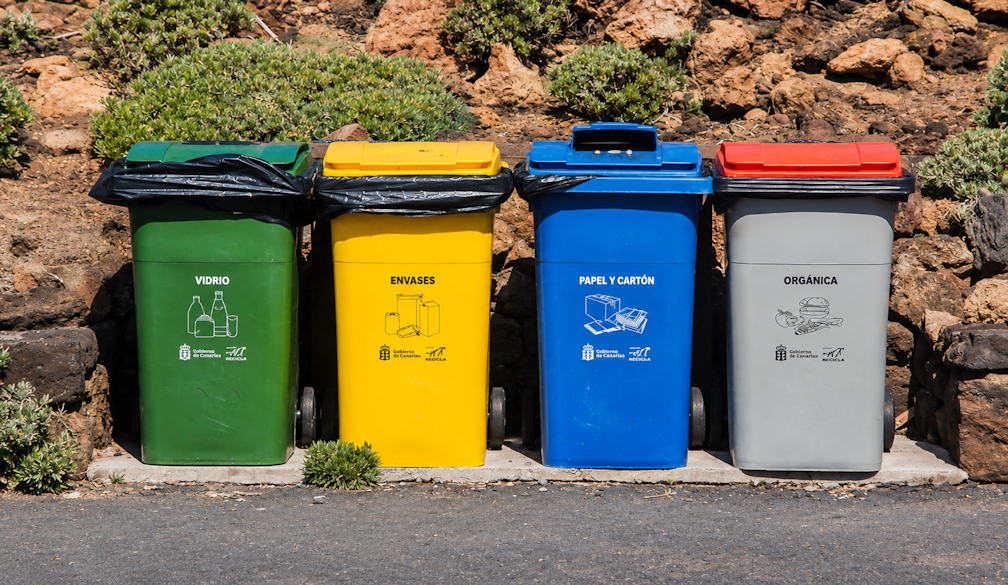
Managing commercial packaging waste remains a persistent financial and operational headache across Australia’s retail, warehousing, and manufacturing sectors. As inventory moves rapidly through supply chains, backrooms and loading docks quickly fill with loose cardboard boxes. This constant accumulation creates an unorganised work environment and drives up facility operating expenses.
For most enterprises, the primary cost driver isn't the volume of material generated, but the inefficient way it is collected and transported. Traditional wheelie bins and open skip bins fill up rapidly with uncompacted boxes, meaning companies effectively pay commercial waste contractors to haul away trapped air.
To break this cycle, forward-thinking operations are turning to air-powered compaction equipment. Integrating cardboard balers from Mil-tek Australia into daily workflow allows staff to compress bulky packaging directly at the point of origin, turning sprawling piles of loose paper and board into dense, neatly tied bales.
The Operational Friction of Loose Packaging
Leaving uncompacted cardboard in stockrooms or rear corridors creates hidden costs that quietly erode profit margins. Staff lose valuable time manually breaking down boxes or taking repeated trips to external bins, distracting them from core fulfillment and customer service tasks.
Unmanaged packaging waste also introduces significant workplace hazards:
- Elevated haulage fees: Bin collection contracts billed on volume or frequency grow increasingly expensive when bins contain uncompressed waste.
- Workplace safety risks: Loose boxes obstruct walkways, create trip hazards, and impede emergency exits in busy loading zones.
- Fire hazards: Storing large volumes of dry, loose paper materials indoors increases fire risks near electrical systems or machinery.
Compacting cardboard at the source eliminates these pain points, keeping floor space clear while drastically reducing bin pickup frequencies.
Aligning with Australia’s Circular Economy Goals
Commercial waste management is no longer just about maintaining clean backrooms; it is tied directly to corporate environmental compliance and sustainability mandates. Under national frameworks overseen by the Department of Climate Change, Energy, the Environment and Water (DCCEEW), Australian industry is working toward ambitious targets, including recovering 80% of packaging waste and building a localized circular economy.
Balancing cardboard on-site plays a pivotal role in reaching these benchmarks. Baled cardboard remains clean and free from liquid or food contamination, ensuring high-purity streams that local paper mills and recycling facilities demand. In many commercial instances, dense, mill-size bales transform a waste disposal cost into a revenue stream through rebates paid by commodity recyclers.
Choosing the Right Compactor for Your Facility
Selecting compaction machinery depends on your daily packaging volume, available floor space, and operational environment.
Pneumatic, air-powered balers designed by Mil-tek operate without hydraulic oil, offering quiet, clean performance suitable for indoor retail stockrooms and food preparation areas. For heavy industrial sites, high-capacity hydraulic balers manage continuous streams of heavy-grade corrugated board.
By replacing inefficient waste bins with compacting technology, Australian businesses can lower overheads, improve workplace safety, and contribute directly to national sustainability targets.


 Emma Fawcett, CEO of Compare Club