Why Damp, Dirt and Organic Growth Can Become a Property Manager’s Worst Nightmare
At a Glance
Your property can look perfectly presentable while damp, dirt and organic growth quietly create bigger maintenance issues. As a property manager, you need to recognise early warning signs, understand what is causing them and respond appropriately. Regular inspections, effective cleaning, good ventilation and preventative maintenance can help you protect your properties, reduce repeated issues and avoid unnecessary disruption and costs.
Look Beyond What You Can See
As a property manager, you already know that small maintenance problems rarely stay small. A little condensation around a window can become persistent damp, while dirt collecting in neglected areas creates conditions for organic growth to take hold. If you leave these problems alone, what started as an appearance concern quickly becomes a bigger maintenance issue.
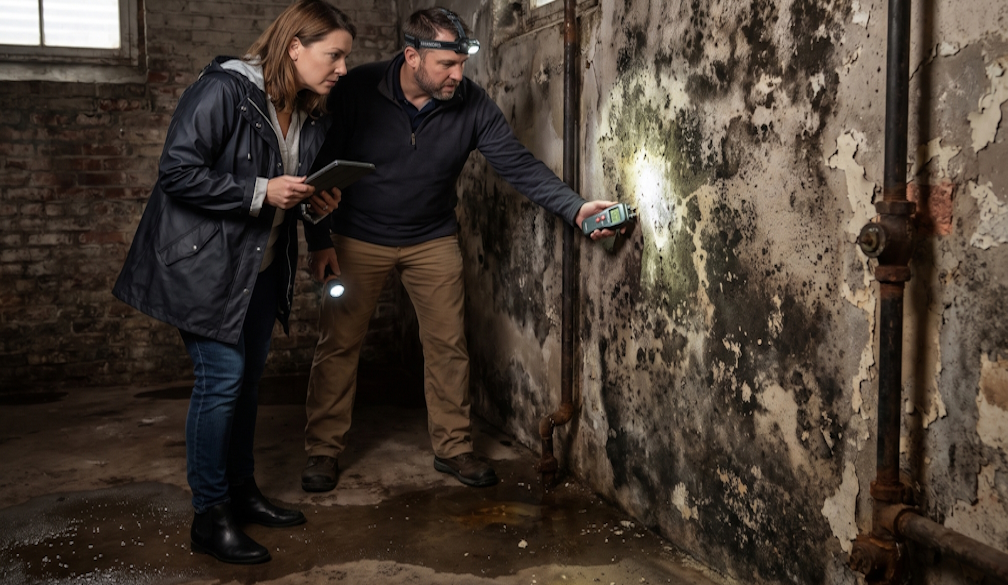
Damp and mould require prompt attention, making it important to recognise early warning signs across your properties. Condensation around windows, persistent musty smells and damp patches on walls or ceilings can indicate excess moisture. Investigating these signs early and quickly helps you determine what action is needed before the problem escalates.
This means you need to look beyond the surface when assessing a property. Although cleaning can improve a surface’s appearance, it does not resolve underlying problems. Identifying what needs attention helps you determine the appropriate next steps.
Understand Why Damp Creates Bigger Issues
Moisture gives organic growth the conditions it needs to develop, especially where ventilation is poor and surfaces remain damp for extended periods. Bathrooms, kitchens, utility spaces and rooms with limited airflow therefore become problem areas where moisture is not controlled.
As a property manager, you need to watch for condensation because repeated moisture on walls and windows gradually creates an environment where mould can grow more easily. Leaks, damaged seals and plumbing problems create similar concerns, especially when moisture reaches hidden areas that are difficult to inspect.
In practice, early intervention makes a significant difference. A small leak or ventilation issue may be easy to address, while prolonged damp can lead to staining, damaged finishes and recurring cleaning.
Tackle Visible Growth With the Right Approach
Although it’s highly unlikely you may find unnoticed mould growth if you’re taking all the right measures and following the health codes, if, in a rare case, you come across an isolated area in your property where mould may be starting to grow, a suitable black mould remover for walls can help you remove it immediately. You can also use a mould preventer to help keep it from returning.
Always check whether the product suits that specific surface before applying it, especially if painted or delicate finishes are involved. However, removing visible growth should not be the end of your responsibility.
If moisture continues affecting the same area, the problem can return and leave you repeatedly doing the same cleaning task. Treat cleaning as one part of a wider maintenance process, then investigate whether ventilation, leaks or other conditions are contributing to the issue.
Keep Dirt From Giving Problems More Opportunity
Dirt may seem less serious than damp, but accumulated grime makes property maintenance harder than it needs to be. Dust and organic debris can collect around windows, vents, corners, and external areas, especially where cleaning isn't done frequently.
When these areas remain neglected, moisture can get trapped more easily, and surfaces can become harder to keep in good condition. A consistent cleaning routine does more than keep a property looking presentable. It helps you notice changes in surfaces, identify damp areas and spot small problems before they become established.
This is important when you manage several properties because minor issues quickly become recurring maintenance tasks across your portfolio.
Pay Attention to Ventilation and Everyday Habits
You cannot always remove damp by cleaning a single area. If rooms regularly experience high humidity without proper ventilation, mould can keep returning regardless of how thoroughly the affected surface has been cleaned.
Consider whether bathrooms have adequate extraction and whether tenants understand the importance of using ventilation during moisture-producing activities. Kitchens, laundry areas and rooms where clothes are dried indoors also require closer attention.
The property’s condition matters too, so check that ventilation systems are working properly rather than assuming they are doing their job. This gives you a clear picture of where attention is needed, so you can act quickly before minor concerns become recurring problems across properties.
Make Prevention Part of Property Management
The easiest damp problem to manage is the one you identify before it becomes established. Building regular checks into your property management routine helps you spot moisture, staining and early organic growth before they need more extensive attention and cleaning.
Track recurring problem areas and note whether the same property has repeated issues. This can help you identify whether inadequate ventilation, a recurring leak or another underlying issue is responsible.
Taking action early helps you manage costs more effectively. Instead of repeatedly arranging reactive cleaning, you address the conditions that create the problem and reduce the likelihood of seeing it return.
In Conclusion
Damp, dirt and organic growth combine to create an unwanted problem when you are responsible for keeping properties safe, clean and well-maintained. The visible mould is only part of the problem, because persistent moisture or poor ventilation creates the same conditions underneath. So look beyond cleaning and consider what is causing the issue, where it keeps recurring, and whether your properties have suitable ventilation and maintenance routines.
By combining regular inspections, appropriate cleaning and preventative maintenance, you can address issues earlier and reduce repeated disruption. Most importantly, you keep small signs from turning into larger property management headaches.


 Emma Fawcett, CEO of Compare Club