Planning a Commercial Build? Here’s What a Mechanical Contractor Brings to the Table
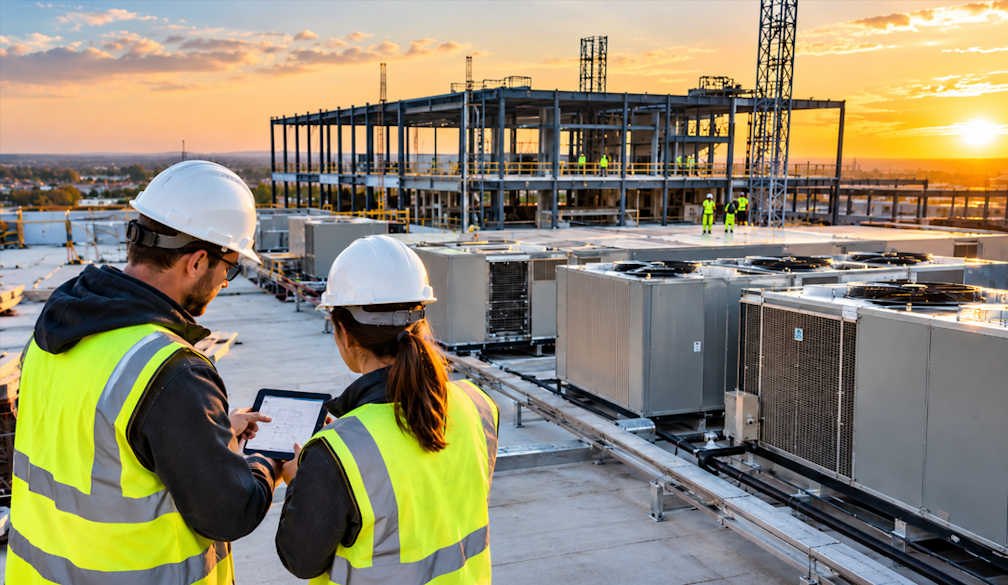
When a commercial project moves from blueprint to reality, the systems behind the walls often decide whether a building performs well or becomes a constant source of problems. Companies like Binsky Mechanical show how much value an experienced partner can add, with expertise in commercial HVAC, plumbing, emergency service, and large-scale construction projects. Their approach, which includes virtual construction to coordinate building systems before work begins on site, helps businesses and facilities achieve reliable, efficient building systems through experienced engineering, high-quality workmanship, advanced technologies, and a firm commitment to delivering projects on time and within budget.
For owners, developers, and facility managers, understanding what a mechanical contractor actually does is the first step toward a smoother build. Here is what the right partner brings to the table.
What Commercial Mechanical Contracting Covers
Commercial mechanical contracting is the design, installation, and maintenance of the systems that keep a building comfortable, safe, and functional. That typically includes heating, ventilation, and air conditioning, piping and plumbing, process systems, and the controls that tie everything together.
Unlike residential work, commercial systems must handle higher loads, larger footprints, and tighter regulatory requirements. A hospital, a warehouse, a school, and an office tower all need very different solutions, and a capable contractor tailors the system to the building’s purpose rather than applying a template.
Early Engineering Prevents Costly Surprises
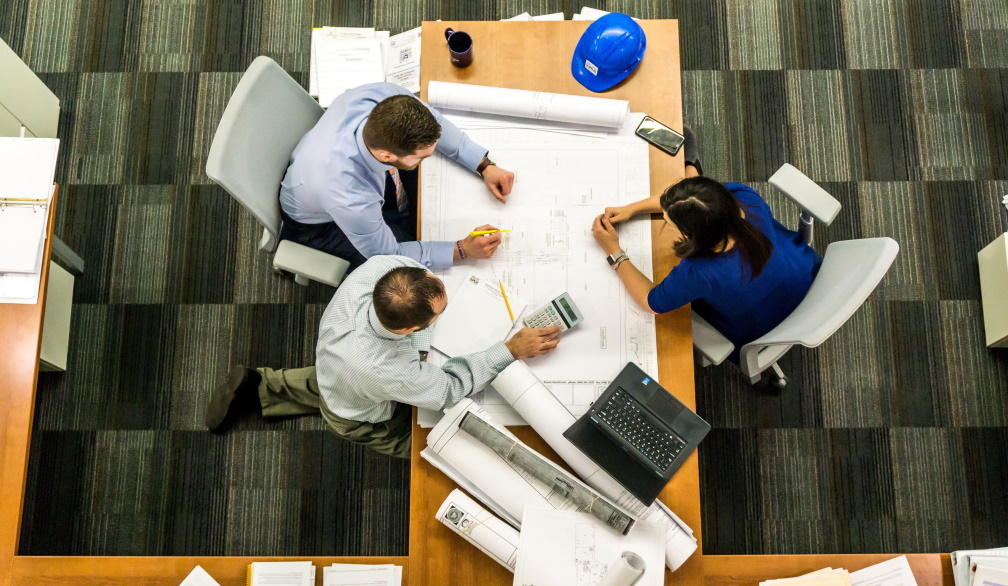
The biggest savings in any build usually come before a single pipe is installed. Experienced mechanical contractors get involved during planning, reviewing drawings, flagging conflicts between trades, and recommending equipment that fits the building’s real demands.
This is where modern technology earns its place. Tools such as virtual construction modeling allow teams to model mechanical systems in a detailed digital environment before work begins on site. Clashes between ductwork, piping, electrical, and structural elements can be found and resolved on a screen instead of in the field, where changes are slow and expensive. The result is fewer delays, less rework, and a more predictable schedule.
HVAC Systems That Balance Comfort and Efficiency
Heating and cooling are typically the largest energy consumers in a commercial building. A well-designed HVAC system keeps occupants comfortable, maintains healthy indoor air quality, and controls operating costs over decades of use.
A skilled contractor sizes equipment properly, since oversized systems waste energy and cycle too often, while undersized ones struggle to keep up. They also consider zoning, ventilation rates, heat recovery, and smart controls that adjust performance based on occupancy and demand. Building owners increasingly look to these strategies to meet energy efficiency goals and reduce long-term costs.
Plumbing for Demanding Environments
Plumbing in a commercial setting goes well beyond sinks and restrooms. Large facilities rely on complex water distribution, drainage, gas piping, and specialized process lines that must operate safely and continuously.
For manufacturing plants, food production sites, laboratories, and similar facilities, industrial plumbing requires careful engineering and precise installation. Material selection, pressure requirements, code compliance, and maintenance access all affect how the system performs over time. Getting these details right at the start protects uptime and helps avoid the disruptions that come from leaks, failures, and emergency repairs.
Emergency Service When Downtime Is Not an Option
Even the best systems eventually need attention. A failed chiller in a data center, a burst line in a retail space, or a heating outage in a medical facility can quickly turn into lost revenue and safety concerns.
A mechanical contractor with dedicated emergency service gives businesses a reliable response when something goes wrong. Because the same team that installs or maintains the systems already understands them, diagnosis is faster and repairs are more effective. Many contractors also offer preventive maintenance programs, which catch small issues early and extend equipment life, reducing the likelihood of an emergency in the first place.
Managing Large-Scale Projects Without Losing Control
Large construction projects involve dozens of trades, tight sequencing, and constant coordination. Mechanical work sits at the center of that process, since ductwork, piping, and equipment installation must line up with structural, electrical, and finishing work.
A strong contractor brings project management discipline to the job. That means clear communication with general contractors and owners, accurate scheduling, careful material procurement, and proactive problem solving. Delivering on time and within budget is not luck. It comes from planning, experienced crews, and processes built through years of similar projects.
Quality Workmanship That Lasts
Mechanical systems are long-term investments. Poor installation can lead to inefficiency, premature equipment failure, and ongoing maintenance headaches, while quality workmanship pays off for the life of the building.
Skilled tradespeople, thorough quality control, and proper commissioning make the difference. Commissioning, in particular, verifies that every system operates as designed before the building is handed over. It is a step that protects owners from hidden issues and gives facility teams the documentation and training they need to operate the systems confidently.
How to Choose the Right Mechanical Contractor
Not every contractor is equipped for every project, so it pays to ask the right questions before signing on. Consider the following:
- Relevant experience: Look for a track record with projects similar in size, complexity, and industry to yours.
- In-house capabilities: A contractor that handles HVAC, plumbing, and service under one roof simplifies coordination and accountability.
- Technology use: Digital modeling and modern project tools signal a team that plans carefully and reduces field errors.
- Safety and compliance record: Strong safety practices protect workers, occupants, and your schedule.
- Service after construction: Ongoing maintenance and emergency support show a long-term commitment to the building.
- Transparent communication: Clear reporting on schedule, cost, and progress keeps projects on track.
The Value of the Right Partner
A commercial building is only as dependable as the systems that run it. From early engineering and digital coordination to installation, commissioning, and long-term service, a mechanical contractor influences nearly every stage of a project’s success.
Choosing a partner with deep technical expertise, quality craftsmanship, and a proven record of delivering on time and within budget gives owners and developers far more than finished systems. It gives them confidence that the building will perform reliably, operate efficiently, and support the business for years to come. For anyone planning a commercial build, bringing a qualified mechanical contractor into the conversation early is one of the smartest decisions on the project.


 Emma Fawcett, CEO of Compare Club