A Beginner's Guide to Commercial Property Maintenance
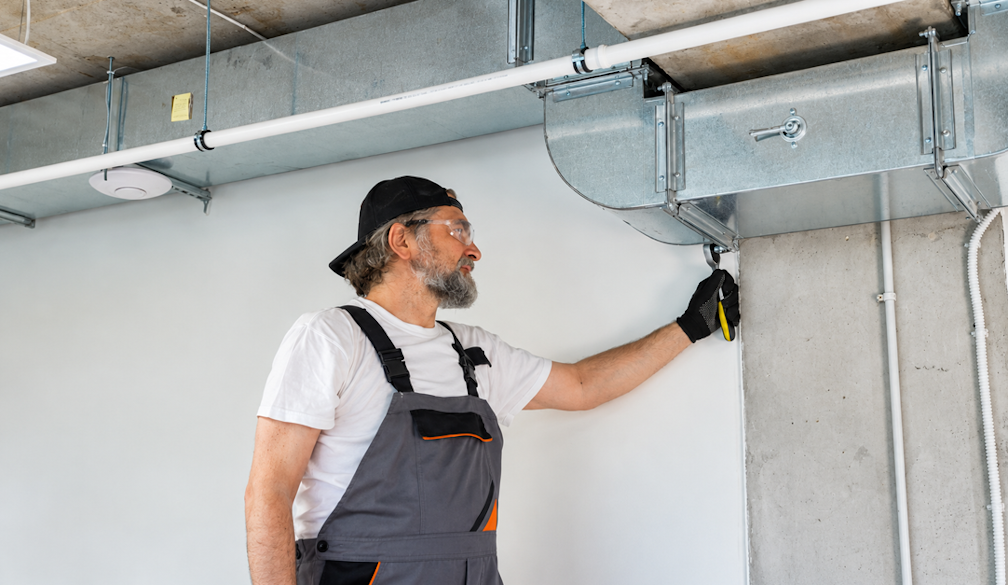
Commercial property maintenance keeps a building functional, presentable, and suitable for occupants. The work ranges from cleaning and equipment checks to repairs requiring licensed professionals. For a new owner or property manager, the responsibilities may seem extensive. A clear schedule, organized records, and communication with occupants and service providers can make the work manageable.
Start With a Property Assessment
An initial assessment creates a baseline for future decisions. Review the roof, exterior walls, windows, doors, parking areas, drainage, plumbing fixtures, electrical components, fire protection equipment, and accessibility features. Mechanical systems and tenant spaces should also be examined. Recording visible wear, equipment age, previous repairs, and immediate concerns helps distinguish urgent work from projects that can be planned.
Requirements vary by property type, location, occupancy, and installed equipment. Owners should identify relevant codes, lease responsibilities, warranties, and manufacturer recommendations instead of relying on a generic checklist. Photographs, invoices, inspection reports, and service dates should remain in a central record. This history helps identify recurring problems and gives contractors accurate information.
Build a Preventive Maintenance Schedule
Preventive maintenance addresses components before they fail or deteriorate significantly. A schedule may include roof reviews, gutter cleaning, filter changes, drain servicing, pest control, landscape care, safety tests, and seasonal preparation. Each task should identify a responsible party, frequency, completion record, and follow-up procedure. Calendar reminders or property-management software can keep routine work from being overlooked.
The schedule should reflect actual conditions. A busy restaurant has different maintenance demands from a small office. Weather, equipment age, operating hours, manufacturer instructions, and previous problems may justify more frequent attention. Annual reviews allow the plan to evolve as tenants, systems, and property conditions change.
Give HVAC Systems Consistent Attention
Heating, ventilation, and air-conditioning equipment affects comfort, indoor conditions, and operating expenses. Routine care may involve filter replacement, cleaning, control checks, drainage inspection, and investigation of unusual performance. Occupant reports of inconsistent temperatures or weak airflow should be documented. A qualified technician can determine the service appropriate for the installed system.
Energy use makes this work particularly important. According to Zipdo, 2025 estimates indicate that HVAC equipment consumes about 12% of global electricity and roughly half of the energy used in commercial buildings. Actual consumption depends on system design, controls, maintenance, occupancy, and climate. Monitoring energy bills alongside service records can reveal changes requiring evaluation.
Maintain Lighting and Electrical Systems
Lighting supports visibility, security, productivity, and the appearance of interior and exterior areas. Maintenance includes replacing failed lamps, cleaning fixtures, checking controls, and identifying poorly illuminated locations. Emergency and exit lighting must receive required inspections and tests. Repairs involving wiring, panels, or other electrical components should be assigned to qualified professionals.
According to Research and Markets, the commercial lighting market was worth $17.07 billion in 2024 and is expected to reach $27.38 billion by 2030. When considering an upgrade, owners can compare purchase price, energy use, service life, maintenance requirements, light quality, and compatibility with existing controls.
Watch the Exterior, Plumbing, and Grounds
The roof, walls, windows, sealants, and doors protect the interior from outdoor conditions. Water stains, damaged flashing, cracked sealant, or persistent drafts may indicate problems requiring evaluation. Parking lots, sidewalks, ramps, stairs, landscaping, and drainage features also need observation. Prompt attention can keep minor deterioration from developing into broader damage.
Leaking fixtures, slow drains, pressure changes, and unexplained consumption increases should be recorded. Shutoff locations must remain accessible, and designated staff should know whom to contact during an emergency. Repairs involving regulated plumbing or life-safety systems should be completed by licensed professionals when required.
Track Energy Use and Expenses
Utility bills provide useful performance data. According to Twinview, the average U.S. commercial building uses approximately 22.5 kilowatt-hours of electricity per square foot annually. Monthly and year-over-year comparisons may reveal unusual changes, although weather, occupancy, building type, and operating hours must be considered before conclusions are drawn.
Maintenance records should track labor, materials, emergency calls, recurring faults, and planned capital work. This information supports realistic budgets and helps determine when replacement is more practical than repeated repair. With regular inspections, documentation, and updated priorities, a beginner can build a program that supports occupants and protects the property over time.


 Business Daily Media