How Bespoke Destination Events Are Driving Growth in Luxury Hospitality
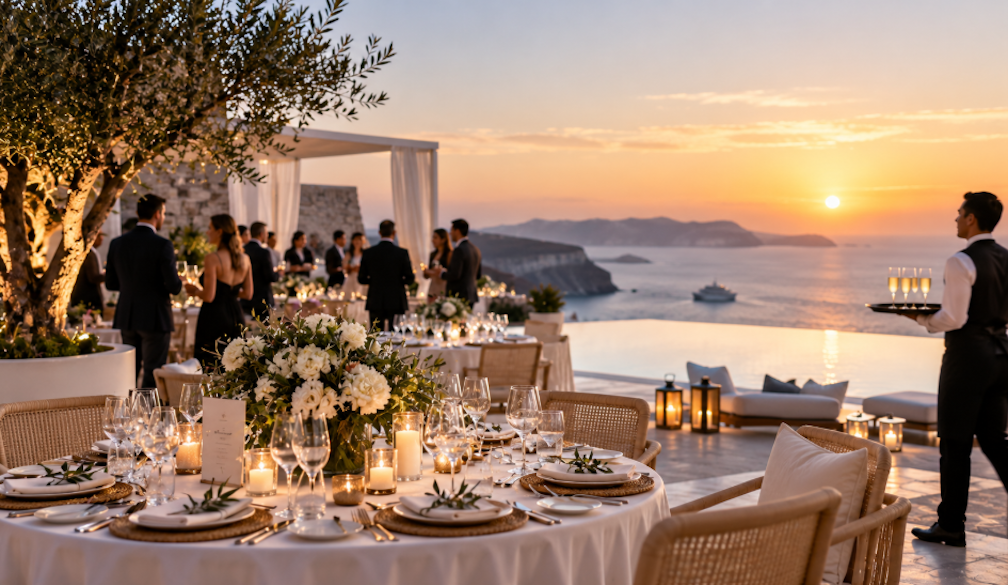
High-net-worth consumers are fundamentally changing how they spend their wealth. According to recent global market studies, there is a tectonic shift occurring in the luxury sector. Instead of purchasing physical luxury goods, affluent consumers are investing heavily in premium hospitality experiences. This shift has accelerated the growth of a highly lucrative segment within the travel industry. Bespoke destination events, particularly private celebrations and exclusive corporate retreats, are now core economic drivers for high-end resorts worldwide. By catering to the complex logistical and experiential demands of modern luxury travelers, hospitality brands are unlocking massive revenue streams and permanently transforming their business models.
The Financial Scale of the Destination Event Market
The financial impact of this shift toward experiential luxury is undeniable. International celebrations require multi-day itineraries, group accommodations, and highly personalized services. These factors significantly inflate the average guest spend, with the host venue capturing the vast majority of the budget. The sheer scale of this sector is staggering. According to industry analysis by IMARC Group, the global destination wedding market reached 46.0 billion dollars in 2025 and is projected to surge to an astonishing 180.9 billion dollars by 2034. This aggressive double-digit growth rate highlights a permanent structural shift in how consumers allocate their celebration funds.
Luxury properties are uniquely positioned to capture this massive revenue pool. While independent, non-luxury hotels have faced economic headwinds recently, high-end resort segments have reported substantial growth in revenue per available room. This financial separation is largely driven by resorts adapting their revenue management strategies. Rather than simply tracking daily room occupancy, modern hoteliers are analyzing complex group reservations, booking pace, and ancillary spending to maximize total property revenue. Private celebrations, including anniversary galas and multi-day milestone birthdays, have become highly lucrative revenue streams that provide financial stability for the broader hospitality sector.
Capturing High-Net-Worth Demand in Prime Locations
Remote and picturesque locations naturally attract affluent travelers seeking exclusivity and privacy. Top-tier island markets have long captured substantial demand from global wealth centers across Europe, Asia, and the Middle East. For example, when affluent couples look to book weddings in Maldives, they expect resorts to deliver specialized luxury event packages that go far beyond standard catering and decor. These premium packages often serve as a critical differentiator for luxury properties looking to maximize per-guest spending.
Affluent clients planning these destination events now prioritize several specific elements when selecting a luxury venue. To remain competitive, hospitality leaders are integrating the following features into their core offerings:
- Exclusive Property Buyouts: Full resort buyouts have transitioned from rare indulgences to a standard booking category. Allowing families and corporate groups to reserve entire resorts guarantees absolute privacy while securing massive blocks of revenue for the property.
- Sustainable Event Protocols: More than half of clients planning destination events now prioritize sustainability. Elite resorts are successfully integrating renewable energy, zero-waste catering, and local conservation initiatives to satisfy the environmental demands of modern luxury travelers.
- Experiential Add-ons: Pre-event wellness retreats, private yacht charters, and curated local excursions are now expected components of any high-end celebration. These additions significantly boost the overall profitability of the event.
Brand Positioning and Regional Economic Impact
The focus on bespoke events is not just elevating individual resorts. It is also transforming regional tourism economies on a macro level. When a luxury brand successfully positions itself as a premier destination for high-profile celebrations, the economic ripple effects are substantial. A clear example of this dynamic can be seen in Vietnam, where brands like Vinpearl have leveraged high-profile destination weddings to establish themselves as premier hospitality leaders. By successfully hosting lavish, multi-day celebrations, hospitality brands establish themselves as global leaders in the luxury sector and provide a massive boost to local economies.
Beyond personal celebrations, corporate experiential events represent another rapidly growing segment for these properties. Technology conglomerates and financial institutions are increasingly utilizing remote luxury venues for private retreats and brand-building exercises. The operational complexities of managing these large-scale events require extreme precision, from complex logistics and vendor coordination to localized staffing.
However, the payoff is a highly resilient business model that relies on guaranteed, high-yield group bookings rather than fluctuating individual tourism. As the luxury travel market continues to evolve toward highly personalized experiences, the ability to deliver flawless, customized destination events will remain a critical differentiator. Resorts that invest in the infrastructure and specialized personnel needed to execute these bespoke experiences will continue to dominate the global hospitality landscape for years to come.


 Business Daily Media