How to Turn Your Backyard Into a Proper Place to Switch Off
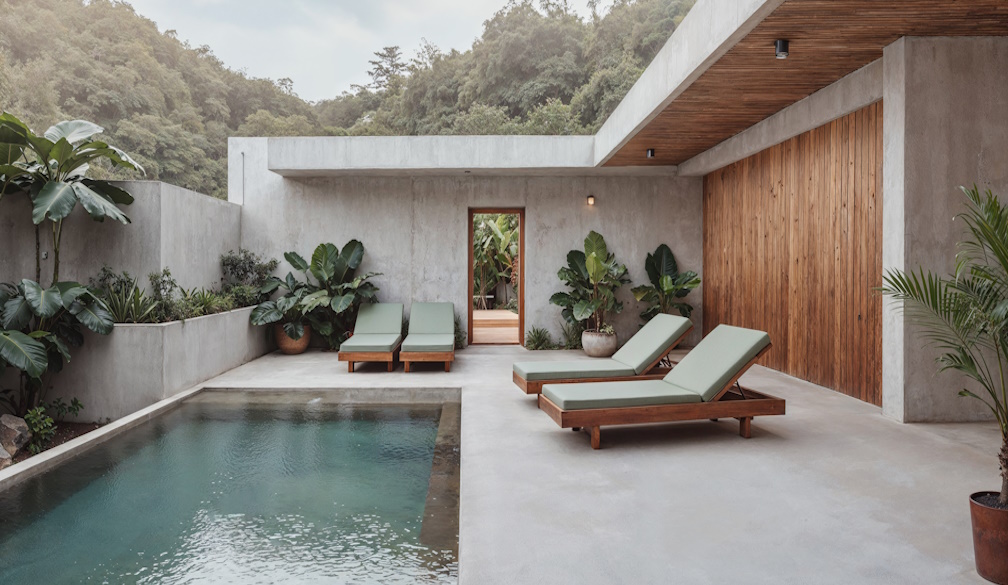
There’s a big difference between having a backyard and actually using it. Plenty of outdoor spaces look perfectly fine on paper — a patch of lawn, a table, maybe a barbecue — but somehow never become the place you naturally drift toward at the end of the day. The trick is to stop thinking of the backyard as leftover space and start treating it like another room of the house.
That doesn’t mean filling every corner with furniture. In fact, the best outdoor areas often feel deliberately simple. A comfortable place to sit or stretch out, some shade, good lighting and a bit of greenery can completely change how a space feels. Something as straightforward as a pair of outdoor sun beds can turn an unused patio or poolside area into somewhere you genuinely want to spend an hour with a book, a coffee or absolutely nothing to do.
Start With How You Actually Relax
Before buying anything, think about what “switching off” looks like for you. Some people want a quiet spot to lie in the sun. Others would rather have a shaded corner for reading, a large table for long lunches or a comfortable chair where they can sit outside after dinner.
Designing around real habits tends to produce a much better result than designing around an imaginary lifestyle. There’s no point creating a formal outdoor entertaining zone if you rarely host groups of people. Likewise, a tiny café table might look charming, but it won’t be much use if your ideal Sunday involves the whole family sitting outside for breakfast.
Once you know how you want to use the area, everything else becomes easier. Furniture, lighting, plants and layout all start serving a purpose rather than simply filling space.
Comfort Matters More Than You Think
Outdoor furniture sometimes gets treated as though it only needs to survive the weather. Durability is obviously important, but comfort matters just as much if you want to spend any meaningful amount of time outside.
Look for pieces that encourage you to stay put. Deep seating, supportive cushions, reclining options and places to put your feet can make an enormous difference. It’s also worth thinking about how furniture feels at different times of day. A metal chair sitting in full afternoon sun may not be quite as inviting as it looked in the showroom.
Placement matters too. A lounge chair positioned where it catches morning light but avoids the harshest afternoon sun may end up being used far more often than one placed purely for symmetry.
Give Yourself Some Shade
Australian backyards can go from pleasant to punishing fairly quickly once the sun is overhead. Shade is one of the easiest ways to make an outdoor area usable for more of the day.
Permanent structures such as pergolas are great, but they’re not the only option. Umbrellas, retractable awnings, shade sails and strategically planted trees can all work well. Even moving furniture closer to the house or beneath existing foliage can create a cooler, more comfortable zone without requiring a major renovation.
The goal isn’t necessarily to block the sun completely. A combination of sunny and shaded areas gives you options throughout the day and across different seasons.
Make It Feel Slightly Secluded
It’s surprisingly difficult to relax when you feel like you’re sitting on display. If your backyard is overlooked by neighbours or exposed to the street, a little privacy can dramatically change the atmosphere.
Screening plants are an obvious solution, but timber battens, outdoor screens and climbing plants can work just as effectively. You don’t need to build a fortress around the property. Even partially screening a seating area can create enough separation to make it feel like its own little retreat.
This is particularly useful in smaller suburban backyards, where neighbouring homes may sit quite close together.
Don’t Forget What Happens After Dark
A backyard that works only during daylight hours is missing half its potential. Good outdoor lighting allows you to keep using the space well into the evening without turning it into something that resembles a car park.
Soft, layered lighting usually works best. Think wall lights near doors, subtle garden lighting and smaller lamps or lanterns around seating areas. Warm, low-level light tends to create a more relaxed atmosphere than one extremely bright overhead fitting.
It also helps define different parts of the garden. A softly illuminated tree or pathway can make the entire backyard feel more considered, even when you’re simply sitting nearby with a drink.
Keep the Greenery Manageable
Plants are one of the fastest ways to soften an outdoor area, but there’s no rule saying your backyard needs to become a full-time gardening project. Choose greenery that suits the amount of maintenance you’re realistically willing to do.
Large pots can be particularly useful because they add colour and texture without requiring major landscaping. They’re also easy to move if you decide to rearrange the space later.
If you enjoy gardening, of course, you can go much further. Herbs, flowering plants, small trees and layered garden beds can make an outdoor area feel genuinely lush. The important thing is creating an environment that helps you relax rather than another list of chores.
Leave Some Breathing Room
One of the easiest mistakes to make is trying to include everything. Outdoor sofas, dining tables, fire pits, barbecues, planters, storage benches and decorative pieces can quickly make a modest backyard feel crowded.
Leaving some empty space is valuable. It makes the area easier to move through and gives individual pieces more visual impact. A few well-chosen items will usually create a calmer atmosphere than a backyard packed with furniture simply because there was room for it.
Ultimately, a great backyard isn’t necessarily the biggest or most elaborate one. It’s the one you actually use. If stepping outside feels easy, comfortable and inviting, you’re far more likely to spend time there — and that’s when the backyard stops being an afterthought and starts becoming one of the best rooms in the house.


 Business Daily Media