Beyond the Banquet Hall: How the Hospitality Sector is Elevating the Destination Wedding Experience
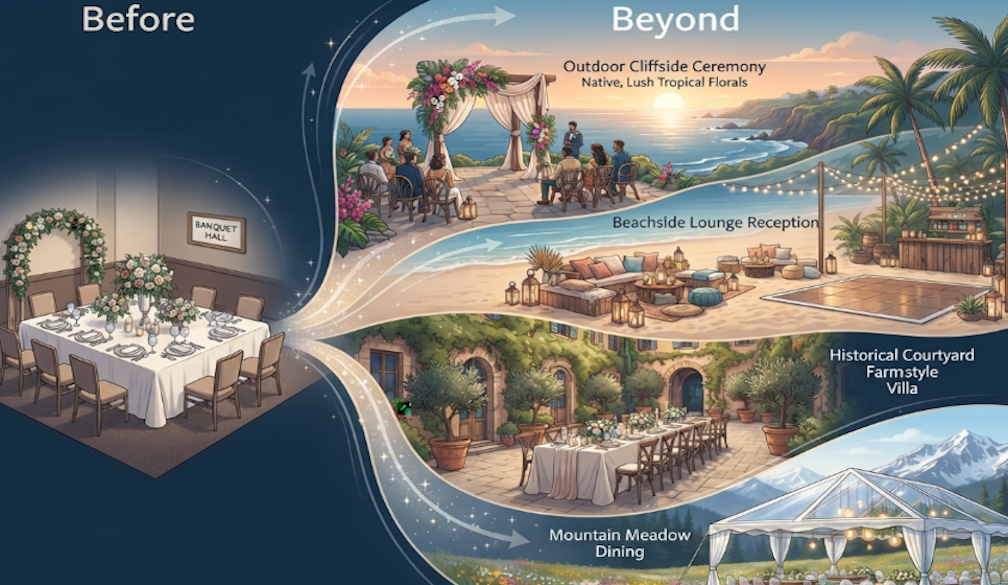
The hospitality industry is undergoing a remarkable transformation. No longer just providers of temporary lodging, modern hotels are positioning themselves as comprehensive experiential hubs. One of the most significant drivers of this shift is the booming destination wedding market. As couples increasingly seek out unique, multi-day celebrations, hospitality brands are completely revamping their event spaces, catering styles, and technological capabilities to capture a lucrative share of this growing sector.
The Economic Power of Wedding Tourism
The financial incentive for the hotel industry to adapt is immense. The global destination wedding market is projected to reach an astounding value by the end of the decade, fuelled by a growing desire for immersive travel experiences. This trend is especially pronounced in the Asia-Pacific region. According to a recent report from TTG Asia, over 68 percent of adults surveyed in the region are considering or have already hosted a destination celebration, with roughly 30 percent willing to invest significantly more than they would on a traditional hometown event.
This influx of capital is actively shaping regional tourism economies. For example, Indian destination weddings represent a highly lucrative demographic for Thailand's hospitality sector, with these elaborate multi-day events often averaging budgets between 10 million and 30 million THB per wedding. With couples prepared to increase their budgets so drastically, luxury properties are highly motivated to offer bespoke services that justify a premium price tag while delivering unforgettable cultural experiences and establishing preferred vendor partnerships.
Redefining the Modern Venue Space
To meet the high expectations of modern couples, venues are rapidly upgrading their physical and technological infrastructure. Static decor and rigid floor plans are being replaced by fully modular spaces that can seamlessly transition from corporate conferences to lavish galas without logistical compromises. The integration of smart room controls, advanced climate management, and customisable lighting arrays allows event planners to alter the atmosphere of a room at the touch of a button.
Many luxury properties are retrofitting traditional ballrooms with ultra-high-definition indoor LED video walls, 3D projection mapping, and networked acoustic systems. When planning a grand Bangkok hotel wedding, for instance, couples can now expect access to advanced audio-visual technology that allows them to create dynamic, personalised digital environments rather than relying solely on physical decorations. This brilliant blend of cultural immersion and high-tech convenience has made Southeast Asian travel hubs incredibly sought after for major milestone events.
Cultivating the Complete Event Tourism Experience
Modern destination weddings are rarely confined to a single evening reception. They have evolved into comprehensive celebration weeks that demand a much wider array of on-site services. To keep guests engaged throughout these lengthy events, properties are expanding their offerings to include exclusive spa buyouts, wellness retreats, bespoke local itineraries, and guided cultural excursions. This ensures that attendees are entertained well beyond the core ceremony and reception.
This broader shift towards event tourism is reshaping how venues operate across the board. In fact, many coastal and regional destinations are actively enhancing their family amenities and event venues to cater to large groups travelling for multi-generational holidays and major celebrations. By transforming into self-contained lifestyle destinations, hotels ensure that international guests remain engaged and delighted from the moment they check in until their final departure.
Innovative Catering and Sustainable Practices
The evolution of the hospitality sector extends heavily into food and beverage programmes. Hotels are shifting away from passive, traditional buffets in favour of highly interactive dining experiences. Furthermore, event planners and couples are prioritising sustainability, prompting venues to adopt new environmental standards to remain competitive in a crowded and discerning market.
To stand out, luxury hotels are now focusing on several key culinary and operational trends:
- Interactive food stations: Venues are introducing live-action culinary entertainment, such as raw seafood bars, tableside mozzarella pulling, and bespoke dessert stations.
- Hyper-local sourcing: Catering teams are curating plant-forward menus that rely on foraged ingredients and regionally sourced produce to drastically reduce the event's carbon footprint.
- Green certifications: Many hospitality brands are aggressively pursuing eco-conscious ratings, implementing strict carbon tracking and waste reduction protocols for large events to attract environmentally conscious clients.
- Personalised menus: Executive chefs are working directly with couples to design highly customised, culturally diverse meals that reflect their personal heritage and global travel experiences.
The days of the standard banquet hall package are firmly in the past. By embracing advanced technology, immersive entertainment, and sustainable operations, the hospitality sector is elevating the destination wedding experience to unprecedented heights. This strategic evolution not only secures a highly profitable revenue stream for hotels, but it also provides couples with the unforgettable, highly tailored celebrations they truly desire.


 Blackhawk Network VP Head of ANZ Kieran Nolan