How to Buy a Used Harley-Davidson: 5 Steps Every Rider Should Follow
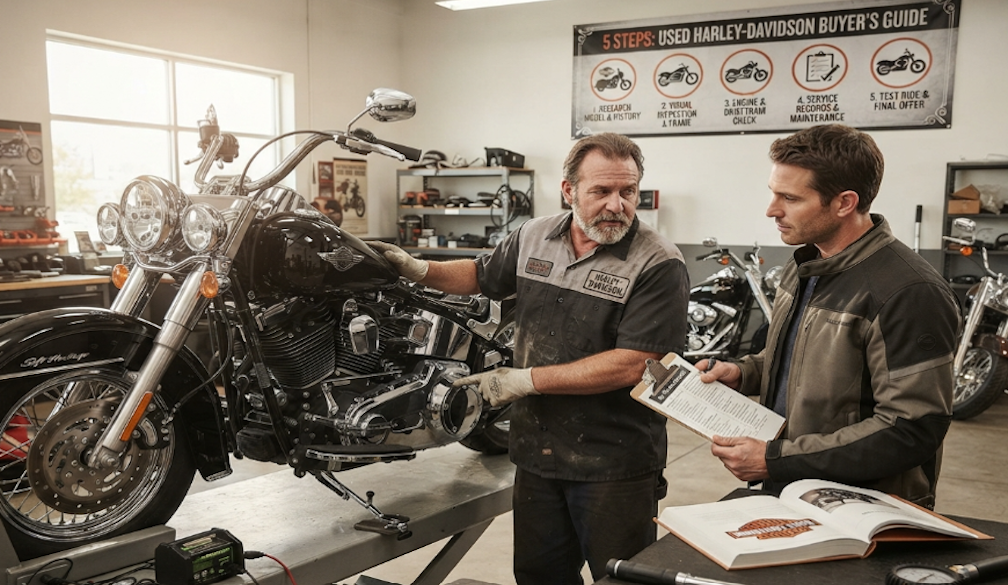
Finding the right motorcycle takes more than scrolling through listings and hoping something catches the eye. A little preparation beforehand makes the process smoother and helps narrow choices faster. Before diving in, it helps to think about riding style, budget, and intended use, whether that means long highway trips, city commuting, or weekend rides through the countryside. These early decisions shape which models, engine sizes, and features actually matter.
Once the basics are settled, comparison shopping becomes much easier. Many riders find that shopping around for a Harley Davidson reveals just how much pricing, mileage, and condition can vary between dealers and private sellers. Taking time to compare several options rather than settling on the first listing that looks appealing often leads to a better deal and a bike that truly fits riding needs.
Understanding Model Differences
Harley-Davidson produces several distinct model families, each built with a different type of rider in mind. Touring models are designed for comfort on extended trips, with larger fairings and additional storage. Softail and Sportster lines lean toward a classic cruiser feel, while the CVO series caters to riders wanting premium features and custom styling. Learning the differences between these families narrows the search considerably and prevents wasted time looking at bikes that don't match riding goals.
Engine displacement, frame geometry, and seat height also vary widely across the lineup. A shorter rider or someone new to larger bikes may find comfort in a lower seat height. In contrast, an experienced rider covering long distances might prioritize engine torque and wind protection instead. Test rides, where possible, remain one of the best ways to confirm that a particular model feels right in practice, not just on paper.
Checking History and Condition
A motorcycle's history matters just as much as its appearance. Reviewing maintenance records, checking for accident history, and confirming that recall work has been completed can save significant trouble down the road. The National Highway Traffic Safety Administration maintains a public database where recall information can be checked by vehicle identification number; it's worth a look before finalizing any purchase.
Mileage alone doesn't tell the whole story either. A bike with higher mileage but consistent maintenance records may be a safer bet than a low-mileage model that sat unused for years, since seals, fluids, and rubber components can degrade over time regardless of miles ridden. For general safe riding practices and gear recommendations, the Motorcycle Safety Foundation offers useful guidance, which can be a helpful resource for both new and experienced riders evaluating a used bike.
Negotiating and Finalizing the Purchase
Once a specific bike stands out, it's worth researching comparable listings to understand fair market value before entering negotiations. Dealers often have some flexibility on price, especially on models that have been sitting in inventory longer, so asking about recent price adjustments or available incentives rarely hurts. Private sellers may also be open to negotiation, particularly if a pre-purchase inspection reveals minor issues that could factor into the final price.
Financing terms deserve attention too, since interest rates and loan lengths can significantly affect the total cost over time. Comparing offers from a dealer against outside financing options sometimes uncovers a better rate. Insurance costs should factor into the budget as well, since premiums can vary based on model, engine size, and rider experience.
Taking the time to research thoroughly, compare listings, and verify a bike's history pays off in the long run. A well-informed purchase leads to fewer surprises and more enjoyment once the bike finally hits the road.


 Blackhawk Network VP Head of ANZ Kieran Nolan