Why Businesses Need Flexible Space as They Grow
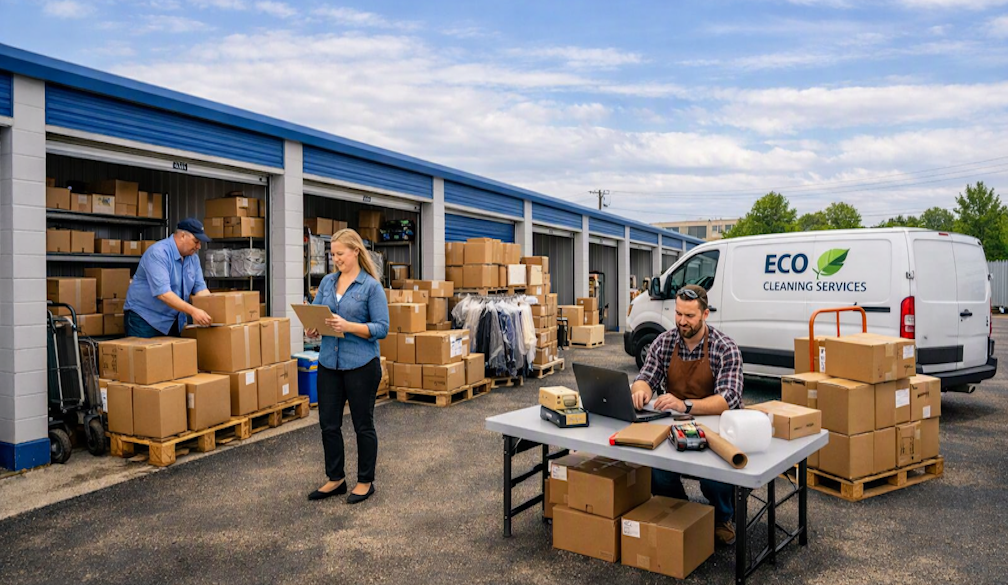
Business growth rarely happens in a neat, predictable line. One month the team is managing comfortably, and the next there are extra stock deliveries, archived files piling up, seasonal equipment in the way, or furniture from a reshuffle sitting awkwardly in a meeting room. Space can become a problem long before a business is ready to move premises or sign a larger lease.
That’s where commercial storage units can be useful. They give businesses a way to manage overflow, transitions and temporary pressure without making a major property decision every time the workplace starts to feel crowded.
Growth Creates More Stuff Than People Expect
When a business expands, the visible signs are usually exciting. More customers, more staff, more projects and more activity all suggest that things are moving in the right direction. But growth also brings a surprising amount of physical clutter. Spare chairs, display materials, tools, signage, documents, promotional stock, IT equipment and old fit-out items can all build up quickly.
The problem is that most workplaces are designed for current operations, not constant overflow. A storeroom that worked perfectly two years ago might now be full. A back office might slowly become a dumping ground. Hallways, meeting rooms and shared areas can start absorbing items that don’t have a proper home.
That affects more than appearances. Clutter can slow staff down, make it harder to find what’s needed, and create an unprofessional impression when clients or visitors come through.
Flexibility Beats Committing Too Early
Moving to a bigger site is expensive and disruptive. It can involve lease negotiations, fit-out costs, downtime, removals and all the stress that comes with changing locations. For some businesses, that move is eventually necessary. But for many, the immediate issue is not that the whole operation has outgrown the premises. It’s that certain items are taking up valuable space at the wrong time.
Flexible storage gives businesses breathing room. It can help during renovations, relocations, seasonal peaks, office redesigns, stock changes or project-based work. Instead of making the workplace bend around temporary clutter, businesses can separate what’s needed daily from what only needs to be accessed occasionally.
That distinction is important. Prime workplace space should support people, customers and operations, not sit half-filled with items nobody needs this week.
Better Space Can Improve Productivity
A crowded workplace can create low-level frustration. Staff spend longer searching for equipment. Stock becomes harder to manage. Important documents get mixed with outdated material. Cleaning becomes more difficult. Small inefficiencies become part of the day, and people start working around the mess instead of solving it.
Creating more space can make the workplace feel calmer and more organised. It can also help managers see what the business actually owns, what should be kept, what can be archived and what may no longer be needed.
Space Should Support the Business, Not Limit It
A growing business needs room to move, but that doesn’t always mean taking on a bigger lease straight away. Sometimes it means using existing space more intelligently.
Flexible storage can help businesses stay organised through change, protect valuable items and keep the workplace focused on the work that happens there every day. When space is managed properly, growth feels less chaotic and the business has more freedom to adapt.


 Business Daily Media