What Makes a New Home Feel Truly Built Around You
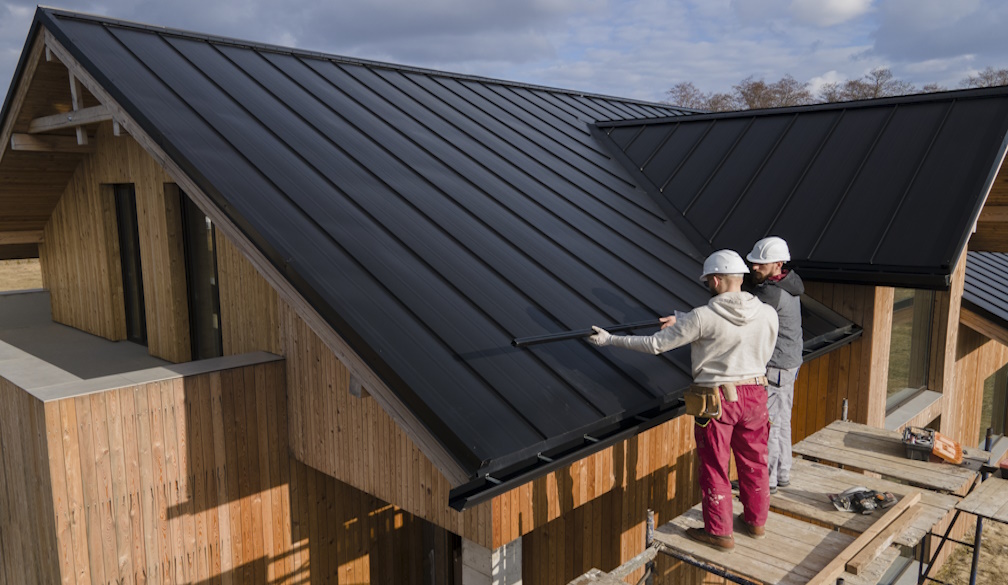
There’s a big difference between living in a new house and living in a home that feels like it was made for you. A house can be new, clean and finished beautifully, but still feel slightly off if the layout doesn’t suit the way you live. Maybe the kitchen looks impressive but doesn’t support the morning rush. Maybe the bedrooms are fine on paper, but storage becomes a problem. Maybe the outdoor area feels disconnected from the rest of the home.
That’s why many people start looking beyond standard plans and begin asking why local custom builders offer better craftsmanship when they’re planning a home that needs to feel personal, practical and long-lasting. A custom build isn’t only about having more choices; it’s about making better choices for the block, the lifestyle and the people who’ll live there every day.
Your Home Should Match Your Routines
Good design starts with ordinary life. Where do school bags land? How does the household move through the kitchen at dinner time? Do you work from home? Do you entertain often? Are you planning for young children, teenagers, ageing parents or regular guests?
These questions might not sound glamorous, but they’re what make a home feel easy to live in. A beautiful floorplan that ignores daily routines can become frustrating surprisingly quickly. On the other hand, a home designed around real habits can make life feel calmer without anyone noticing exactly why.
This could mean a mudroom near the garage, a butler’s pantry that actually suits how you cook, extra acoustic separation for a home office, or bedrooms positioned so everyone has a little more privacy. The details matter because they remove small irritations before they become part of everyday life.
The Block Should Influence the Build
Every site has its own personality. Some blocks get strong afternoon sun. Some have views worth framing. Some need careful planning around slope, drainage, neighbouring homes or street orientation. A home that works beautifully on one block may feel completely wrong on another.
This is where local knowledge can make a real difference. Builders who understand the area are often better placed to think through weather patterns, council expectations, access challenges and the types of materials that perform well over time. That knowledge can influence decisions long before construction begins.
A well-designed custom home should feel settled into its location. It should make use of natural light, support airflow where possible, offer privacy where needed and create a smooth relationship between indoors and outdoors.
Craftsmanship Shows Up in the Details
Most people notice the big features first, but they live with the details. The alignment of finishes, the feel of joinery, the way doors close, the quality of materials and the thought given to transitions between spaces all affect the finished result.
Good craftsmanship doesn’t have to be flashy. Often, it’s the quiet confidence of a home where everything feels considered. Corners meet cleanly, storage is where it should be, proportions feel balanced, and the home ages well because shortcuts weren’t taken where they mattered.
A Custom Home Should Feel Effortless
The best custom homes don’t feel complicated once they’re finished. They feel natural. Every room has a reason, every space supports the people living there, and the home works with the block rather than against it.
Building from scratch is a major investment, so it makes sense to create something that reflects more than a generic idea of what a home should be. When the design, craftsmanship and local context are all considered properly, the result is a home that doesn’t just look new. It feels truly yours.


 Business Daily Media