Integrated Digital Marketing Strategy for SMEs in 2026
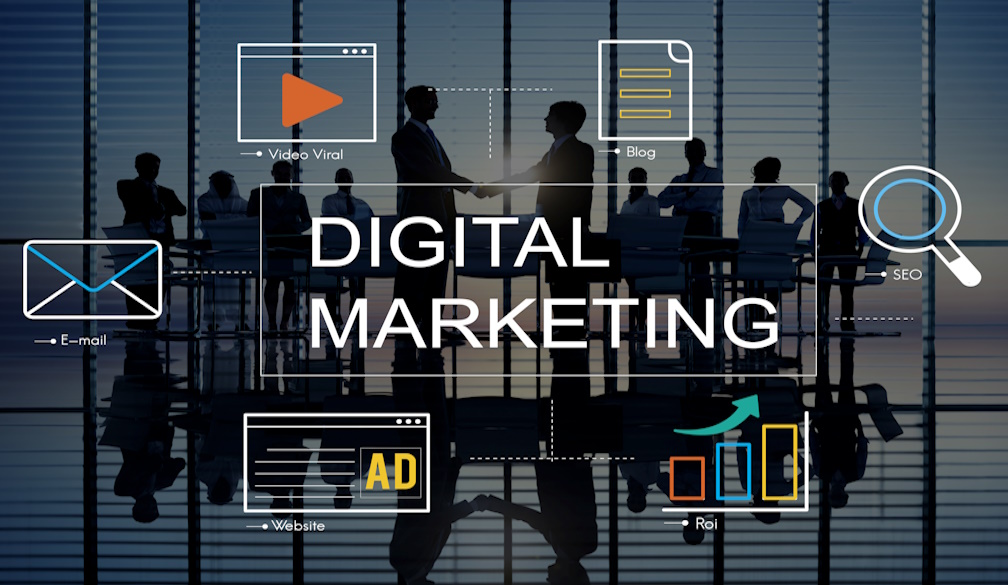
Most small and medium business owners still treat digital marketing as a line item they tick off once a year: a website refresh, a handful of social posts, maybe a Google Ads budget that gets switched on and off depending on cash flow. That approach worked when competition online was thinner, and customers were more forgiving. It no longer holds up.
In 2026, the businesses winning market share are the ones treating digital marketing as an integrated system rather than a collection of disconnected tasks, and the gap between those businesses and everyone else is widening quickly.
The Old Playbook Is Losing Effectiveness
For years, SMEs could get reasonable results from a simple formula: a basic website, some SEO keywords sprinkled through the copy, and a modest paid ads budget. That formula is breaking down for three main reasons.
Search Behaviour Has Fundamentally Changed
Search engines are no longer just matching keywords to pages. AI-assisted search experiences now summarise, compare, and recommend businesses directly within the results page, often before a customer ever clicks through to a website. A business with thin, generic content is far less likely to be surfaced, cited, or recommended in these AI-generated answers than one with genuinely useful, well-structured information.
Customers Expect Consistency Across Channels
A customer might discover a business through an Instagram ad, research it through Google, compare reviews, and then make contact through a website form or a LINE chat. If the messaging, branding, or offer is inconsistent across any of those touchpoints, trust drops, and conversion rates fall with it. Businesses running channels in isolation, with no shared strategy behind them, are leaving revenue on the table.
Paid Advertising Has Become More Expensive and Less Forgiving
Rising costs per click across Google Ads and social platforms mean that businesses running unoptimised campaigns are burning budget faster than ever. Smart bidding strategies, precise conversion tracking, and constant creative testing are no longer optional extras. They are the difference between a campaign that is profitable and one that quietly drains cash every month.
What an Integrated Digital Marketing Strategy Actually Looks Like
Rather than treating SEO, paid ads, content, and social media as separate projects, forward-thinking Australian businesses are building strategies where each channel reinforces the others.
Key components of this integrated approach include:
- SEO content is built around commercial intent, not just search volume, so that traffic converts rather than just arrives.
- Location-specific landing pages for businesses that serve multiple suburbs or regions, giving search engines and customers a clear reason to trust local relevance.
- Paid campaigns with disciplined conversion tracking, so the budget can be shifted toward what is actually generating enquiries rather than what merely generates clicks.
- Social and influencer activity that supports the funnel, rather than existing purely for brand awareness with no measurable path to a lead.
- Consistent messaging and offers across every channel, so a customer's experience feels coherent regardless of where they first encountered the business.
This is a meaningfully different way of operating than the old model of hiring a freelancer for SEO, a separate contractor for ads, and handling social media internally with whatever time is left over. When every channel is built with the same underlying strategy, campaigns compound in effectiveness instead of competing for the same limited attention and budget.
Why Lead Generation Needs a Sales Funnel Behind It
One of the most common gaps in SME marketing is generating enquiries without a clear system for converting them. A business might run a successful ad campaign that produces a strong volume of leads, only to lose most of them because there is no structured follow-up process, no nurture sequence, and no clear next step for the customer to take.
A properly built sales funnel addresses this by mapping out exactly what happens after someone shows interest: what information they receive, how quickly they are followed up with, and what incentive exists to move them from enquiry to customer. Businesses that invest in this stage of the process typically see a far better return from their existing ad spend, simply because fewer leads are falling through the cracks.
The Role of Content in Building Long-Term Authority
Search engines and AI platforms alike are placing growing weight on genuine expertise and authority signals. This means blog content, service pages, and guides need to do more than target keywords. They need to demonstrate real knowledge of the subject matter, answer the questions customers are actually asking, and be structured in a way that both readers and search algorithms can easily parse.
For businesses operating across borders, such as Australian companies with operations or customers in Southeast Asia, this also means producing content that resonates in each market rather than relying on a single template translated across regions. A guide written for an Australian audience rarely lands the same way with a Thai audience, even when the underlying service is identical.
Choosing the Right Marketing Partner
Given how interconnected these disciplines have become, many SMEs are moving away from piecing together multiple freelancers or single-channel specialists and instead working with a full-service digital marketing partner capable of managing SEO, paid advertising, content, and social strategy under one coordinated plan.
This is where an agency such as Marketing's Me Australia fits into the picture, offering Australian businesses a single point of accountability across SEO content, Google Ads management, social media, influencer marketing, lead generation, and sales funnel design, rather than requiring business owners to coordinate multiple disconnected vendors themselves.
For businesses with a presence in both Australia and Southeast Asia, having a partner comfortable working across both markets and languages removes another layer of complexity that would otherwise fall back on the business owner.
Practical Next Steps for Business Owners
Business owners don't need to overhaul their entire marketing operation overnight. A more realistic starting point is to audit what currently exists across each channel and identify where the biggest gaps sit.
Useful questions to ask include:
- Is our website content actually answering the questions our customers are searching for, or is it generic filler?
- Are we tracking conversions accurately enough to know which campaigns are actually profitable?
- What happens to a lead in the first hour after they enquire, and is that process actually working?
- Are our social channels supporting lead generation, or are they running in isolation with no clear commercial purpose?
- If we operate in more than one market, is our content and messaging genuinely tailored to each one?
Answering these questions honestly usually reveals more opportunity than most business owners expect. The businesses that will grow fastest through the rest of 2026 are unlikely to be the ones spending the most on advertising. They will be the ones whose SEO, content, paid media, and social channels are working together as a single coordinated system, built around measurable commercial outcomes rather than vanity metrics.
Final Thoughts
Digital marketing has moved well past the point where a business can succeed with a website and an occasional social post. The tools, the competition, and customer expectations have all changed, and the businesses adapting fastest are treating their marketing as an integrated growth function rather than a series of one-off tasks.
For SMEs unsure where to start, working with an experienced agency to audit the current setup and build a coordinated plan is often the fastest way to close the gap between where the business is now and where it needs to be.
Frequently Asked Questions
Why is an integrated digital marketing strategy better than running channels separately?
When SEO, paid ads, content, and social media are built around the same strategy, each channel reinforces the others, improving consistency, conversion rates, and overall return on marketing spend, rather than having channels compete for the same attention and budget.
How has AI-assisted search changed SEO for small businesses?
AI-generated search experiences now summarise and recommend businesses directly within results pages, often before a customer visits a website. This makes genuinely useful, well-structured content more important than simple keyword targeting.
What is a sales funnel, and why does my business need one?
A sales funnel is the structured process that guides a lead from initial enquiry through to becoming a paying customer. Without one, businesses often lose leads to slow or inconsistent follow-up, even when their advertising is generating strong enquiry volume.
Is paid advertising still worth it for small businesses in 2026?
Yes, but only when campaigns are built with disciplined conversion tracking and ongoing optimisation. Rising costs per click mean unoptimised campaigns burn budget quickly, while well-managed campaigns can still deliver strong returns.
Do I need location-specific landing pages if my business serves multiple areas?
Businesses serving multiple suburbs or regions generally benefit from distinct, genuinely useful location pages rather than one generic page, since this helps both search engines and customers recognise local relevance.
How do I know if my business needs a full-service marketing agency rather than a freelancer?
If your business is running multiple channels, such as SEO, paid ads, and social media, and struggling to keep messaging and strategy consistent across them, a coordinated agency approach is usually more effective than managing several disconnected specialists.


 Business Daily Media