Why Slurry Hose Performance Matters in Industrial Operations
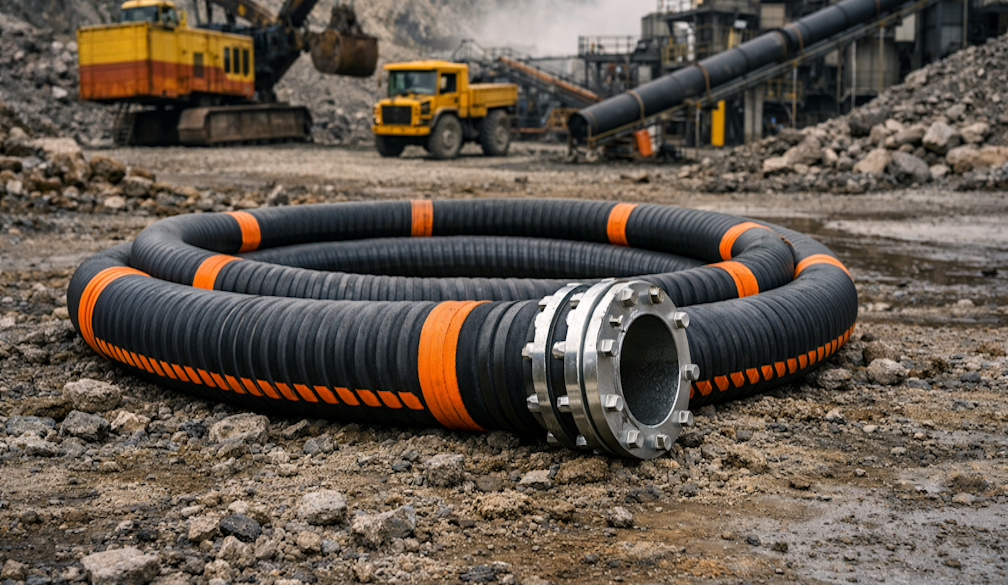
A high-quality slurry hose is one of the most important components in industries that handle abrasive materials and fluid transportation systems. Mining operations, mineral processing facilities, dredging projects, and industrial plants rely on slurry hoses to move mixtures of solids and liquids efficiently. Because these applications involve highly abrasive materials, selecting the right hose can significantly influence productivity, equipment reliability, and maintenance costs.
Industrial operations often work under demanding conditions where equipment is expected to perform continuously. Any interruption caused by hose failure can affect production schedules, increase operational expenses, and create safety concerns. For this reason, slurry hose selection should be approached as a critical operational decision rather than a routine equipment purchase.
Understanding What Slurry Transport Involves
Slurry is a mixture of liquid and suspended solid particles. Depending on the application, these particles may include minerals, sand, gravel, ore, coal, tailings, or other abrasive materials. Transporting these materials requires specialised equipment designed to handle constant wear and challenging operating conditions.
Unlike standard water transfer systems, slurry transport places extreme stress on hose linings and reinforcement layers. The movement of abrasive particles can rapidly wear down unsuitable products, leading to leaks, reduced efficiency, and premature failure.
Specially engineered slurry hoses are designed to withstand these conditions while maintaining consistent performance throughout their service life.
The Challenges of Abrasive Materials
One of the biggest challenges in slurry transportation is abrasion. Solid particles continuously move through the hose at high velocity, creating friction against internal surfaces. Over time, this wear can significantly affect hose integrity.
High-performance slurry hoses are manufactured using abrasion-resistant compounds specifically developed for industrial applications. These materials help minimise wear while maintaining flexibility and structural strength.
Improved abrasion resistance reduces replacement frequency, helping organisations lower maintenance costs and minimise operational disruptions.
Applications Across Multiple Industries
Slurry hoses are used in a wide range of industries due to their ability to handle difficult materials effectively. Mining operations utilise slurry hoses to transport ore, tailings, and mineral concentrates between different stages of processing.
Dredging projects rely on slurry hoses to move sediment, sand, and other materials during excavation and land reclamation activities. Industrial facilities may use them for waste management systems, processing operations, and material handling applications.
The versatility of slurry hose systems makes them an essential component in environments where standard transfer products cannot withstand operational demands.
The Importance of Proper Hose Selection
Every slurry application has unique requirements. Factors such as material composition, particle size, flow velocity, operating pressure, and environmental conditions all influence hose performance.
Selecting a hose designed specifically for the intended application helps maximise efficiency and reliability. The internal lining must be capable of resisting abrasion, while reinforcement layers should provide sufficient strength to withstand operating pressures and handling requirements.
Choosing the correct product from the outset often results in longer service life and improved operational performance.
How Slurry Hoses Improve Productivity
Reliable hose systems contribute directly to operational efficiency. When slurry transport systems operate without interruptions, organisations can maintain production targets and reduce costly downtime.
Durable hoses minimise unexpected failures and allow maintenance teams to focus on planned servicing rather than emergency repairs. Consistent flow rates also support efficient processing and material handling activities throughout industrial operations.
By improving reliability, quality slurry hoses help businesses optimise resource utilisation and overall productivity.
Maintaining Safety in Harsh Environments
Industrial sites prioritise safety because equipment failures can create significant risks for personnel and operations. Slurry hose failures may result in spills, environmental incidents, or equipment damage if not properly managed.
Using hoses designed for the specific operating environment helps reduce these risks. High-quality products undergo rigorous testing to ensure they can withstand demanding conditions while maintaining performance standards.
Regular inspections and preventive maintenance further support safe operation by identifying potential issues before they escalate into larger problems.
Extending Hose Service Life Through Maintenance
Even the most durable slurry hose benefits from proper maintenance. Routine inspections help identify wear patterns, abrasions, and connection issues that could affect performance.
Operators should monitor hose condition regularly and replace components showing signs of excessive wear. Proper storage practices can also extend service life by protecting hoses from unnecessary environmental exposure and mechanical damage.
Preventive maintenance programs help organisations maximise equipment lifespan while reducing unexpected operational interruptions.
The Economic Benefits of Quality Hose Systems
While premium slurry hoses may involve a higher initial investment, they often provide significant long-term savings. Reduced maintenance requirements, fewer replacements, and improved operational efficiency contribute to lower total ownership costs.
Businesses that prioritise quality equipment often experience greater reliability and more predictable operating expenses. This approach supports better budgeting and improved overall asset management.
Investing in durable hose solutions can therefore deliver value far beyond the initial purchase price.
Future Trends in Slurry Handling Technology
Industrial sectors continue to seek improved efficiency, sustainability, and equipment performance. Hose manufacturers are responding by developing advanced materials and innovative designs that further enhance abrasion resistance and durability.
Future hose technologies are expected to provide longer service life, improved flow characteristics, and greater adaptability to increasingly demanding operating environments. These advancements will help organisations continue improving productivity while controlling maintenance costs.
As industries evolve, high-performance slurry transport systems will remain a critical component of successful operations.
Conclusion
Slurry transportation presents unique challenges that require specialised equipment capable of handling abrasive materials and demanding operating conditions. A quality slurry hose supports efficient material movement, improves productivity, enhances safety, and reduces long-term maintenance costs. By selecting products specifically designed for their operational requirements, organisations can achieve greater reliability and stronger overall performance.
For businesses operating in mining, dredging, processing, and material handling industries, investing in durable slurry hose solutions is an important step toward long-term operational success.


 Business Daily Media