The Comfort and Convenience of Receiving Support at Home
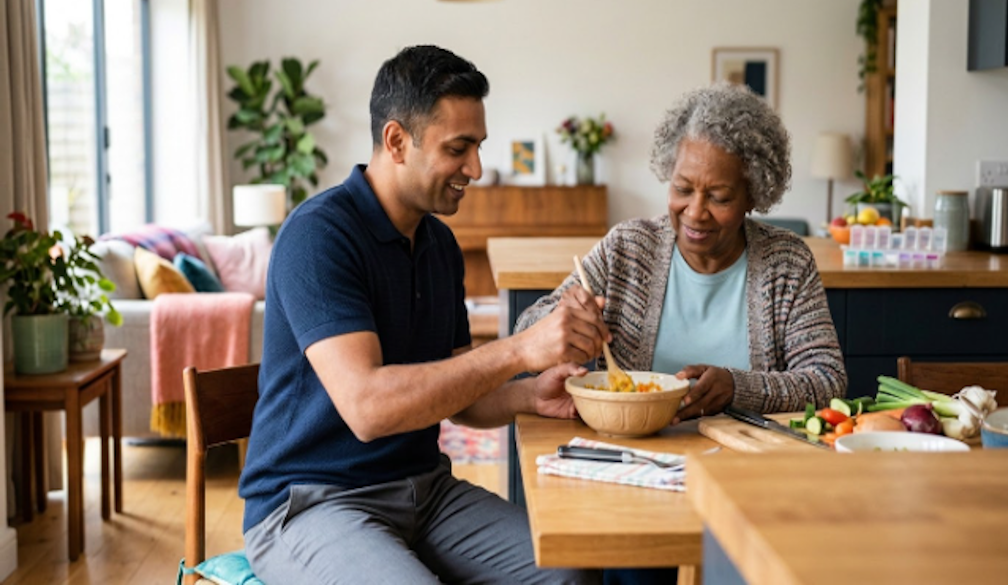
Maintaining independence while managing a complex physical disability or spinal cord injury requires a delicate balance between specialised medical care and daily lifestyle autonomy. For many individuals, the home environment represents far more than just a physical shelter. It is a space of personal history, safety, and comfort where daily routines can be executed with dignity.
When structural or physical health changes introduce new everyday challenges, the prospect of altering your living arrangement can feel incredibly disruptive. Modern community care models actively address this friction by delivering highly targeted, professional assistance directly to your living spaces, eliminating the need to compromise on comfort.
Preserving Personal Routines and Autonomy
For an individual managing a significant physical disability, everyday routines are not merely tasks, they are the baseline of a self directed life. Actions such as rising at a preferred hour, preparing specific meals, or participating in localised community events contribute immensely to psychological and emotional wellbeing.
True personalised assistance recognises that care must fit seamlessly into the existing fabric of a person's life, rather than forcing the individual to adapt to a rigid institutional schedule. High quality care models are designed to operate supportively in the background, reinforcing capability where necessary while stepping back to allow personal independence to lead the way.
- Institutional Care Models: Often rely on rigid schedules, fixed meal times, and communal timetables that disrupt personal habits.
- Home-Based Care Solutions: Adapt entirely to individual lifestyles, respecting personal choices and maintaining continuous familiarity.
The Spectrum of Assistance Within the Home
Because every individual experiences health and recovery differently, professional assistance must span a comprehensive range of practical and clinical categories. For some, short term help with complex household tasks, domestic cleaning, and community transit is sufficient to keep an independent routine on track. For others, long term stability requires intricate physical manipulation, clinical oversight, and consistent personal hygiene support.
By accessing structured in home support services, individuals can establish a reliable safety net tailored to their precise daily objectives. This multi faceted support structure commonly addresses several essential living pillars:
- Personal Care Assistance: Providing respectful, dignified help with complex transfers, showering, dressing, and daily grooming routines.
- Domestic and Household Support: Managing heavy cleaning, laundry, grocery shopping, and meal preparation to keep the living environment safe and hygienic.
- Community and Social Bridging: Facilitating social inclusion by assisting with transport to work, educational facilities, medical appointments, or local recreational activities.
- Capacity Building Programmes: Assisting individuals to develop practical life skills, optimise their physical mobility, and confidently utilise specialised assistive technologies.
Alleviating Pressure on Family Support Networks
In many instances, family members naturally step into caregiving roles when a loved one experiences a significant change in mobility. While this dedication is deeply compassionate, managing complex physical care alongside separate full time career or personal commitments can lead to profound physical fatigue and emotional burnout.
Introducing professional support workers into the household dynamic is not about replacing the vital role of family. Instead, it establishes a sustainable partnership. Entrusting daily physical logistics and specialised clinical tasks to trained, fully verified professionals recognises that family interactions should return to being quality personal connections, free from the continuous stress of administrative and physical management.
Securing a Reliable Path Forward
Transitioning toward professional daily assistance should always be an empowering step that expands an individual's lifestyle boundaries. By choosing a structured, experienced provider, you can ensure that your personal routines remain intact, your living spaces remain perfectly optimised for safety, and your long term independence is fiercely protected.
Sourcing care from an organisation with deep expertise in spinal cord injuries and specialised physical conditions guarantees that your support team understands the subtle complexities of your daily requirements. Exploring these specialised community pathways opens the door to a more predictable, fulfilling future, providing the exact level of assistance required to live safely, comfortably, and autonomously in the place you choose to call home.


 Business Daily Media