Material Handling Hose Designed for Heavy-Duty Material Transfer
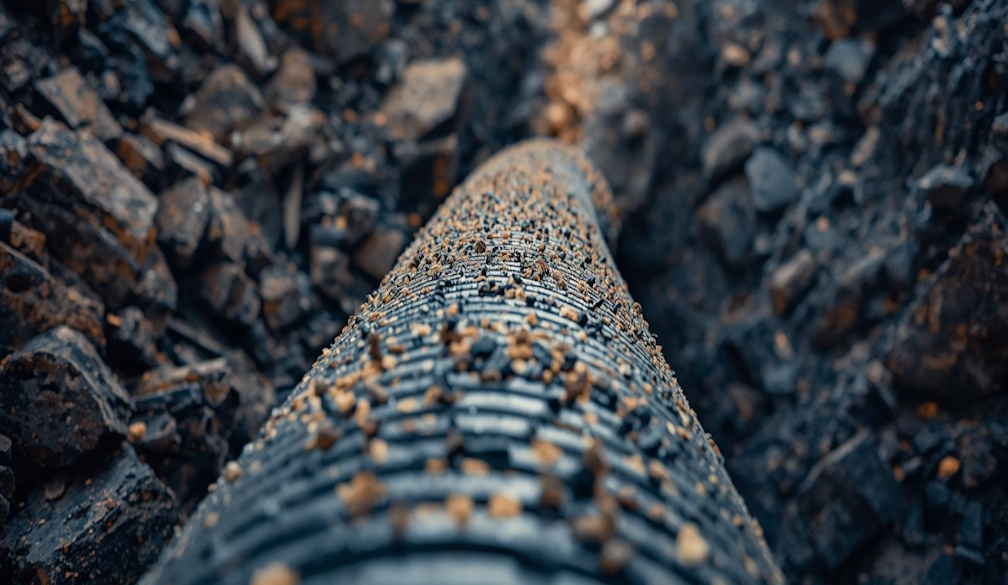
Industrial systems that move bulk materials operate under constant stress. Abrasive particles, fluctuating loads, and continuous operation all place high demands on equipment, especially hoses. A material handling hose is purpose-built to manage these demands, enabling the reliable transfer of solids, powders, and mixed media in environments where failure is not an option. From mining and quarrying to processing plants and industrial facilities, these hoses are a core component of efficient material flow.
Unlike general-purpose hoses, material handling hoses are engineered with durability as a priority. Their design accounts for internal abrasion, external wear, and operational flexibility, ensuring they perform consistently even when exposed to harsh materials and conditions. This specialised construction allows them to support demanding applications where standard hoses would quickly deteriorate.
How Material Handling Hoses Support Industrial Efficiency
The movement of solid and semi-solid materials introduces challenges that liquid transfer systems do not face. Materials such as sand, ore, cement, and industrial waste generate friction and impact forces as they travel through a hose. Over time, this can erode internal surfaces, disrupt flow, and lead to leaks or blockages.
Material handling hoses address these challenges by using abrasion-resistant inner linings that protect against wear. These linings help maintain a smooth internal surface, reducing turbulence and supporting steady material flow. By preserving flow efficiency, these hoses contribute directly to improved system performance and reduced energy consumption.
Construction Features That Enhance Longevity
At the heart of a material handling hose is its inner lining. Made from high-grade rubber or advanced synthetic compounds, this lining is designed to withstand repeated contact with abrasive materials. Its resilience helps absorb impact and minimise erosion, extending the hose’s service life even in continuous-use applications.
Reinforcement layers add strength and pressure resistance to the hose structure. Depending on the application, these layers may consist of textile cords or steel wire, providing stability under internal pressure and external movement. The outer cover completes the design by protecting the hose from environmental factors such as UV exposure, moisture, and mechanical damage commonly encountered in industrial settings.
Versatility Across Multiple Industries
Material handling hoses are used across a wide range of industries, reflecting their versatility and reliability. In mining and quarrying, they transport crushed rock, mineral slurries, and tailings between extraction and processing stages. In agriculture, they are used for conveying grain, feed, and fertilisers. Manufacturing and processing facilities rely on them to move powders, pellets, and waste materials efficiently.
Each industry presents unique challenges, but the core requirement remains the same: a hose that can handle abrasive materials without compromising performance. A well-selected material handling hose adapts to different material properties, flow rates, and system configurations, making it a flexible solution for complex operations.
Flexibility and Movement in Industrial Environments
Industrial environments are rarely static. Equipment vibration, system expansion, and layout changes all place stress on hose systems. A hose that lacks flexibility may resist abrasion but fail prematurely due to cracking or excessive strain at connection points.
Material handling hoses are designed to balance flexibility with structural strength. This allows them to bend around machinery, absorb vibration, and accommodate movement without compromising their internal integrity. Proper flexibility also simplifies installation and reduces stress on fittings, contributing to longer service life and improved system reliability.
Installation Considerations That Impact Performance
Correct installation is essential for maximising the lifespan of a material handling hose. Sharp bends, poor alignment, or inadequate support can create stress points that accelerate wear. Engineers typically design hose layouts with gradual curves and sufficient supports to distribute loads evenly along the hose length.
Connections and couplings also play a critical role. Secure fittings ensure smooth transitions between system components, reducing turbulence and wear at joint locations. Adhering to manufacturer guidelines for bend radius, pressure limits, and mounting methods helps ensure optimal performance from the outset.
Maintenance Practices for Consistent Operation
Regular inspection and maintenance are key to maintaining the performance of material handling hoses. Visual inspections can identify early signs of wear such as surface abrasions, cracking, or bulging. Monitoring system pressure and flow rates can also help detect internal wear before it leads to failure.
Cleaning and flushing procedures are particularly important when handling materials that can settle or harden inside the hose. Removing residual buildup reduces internal abrasion and helps preserve the lining. With consistent maintenance, material handling hoses can deliver reliable performance over extended operational periods.
Safety and Cost Benefits of Quality Hose Selection
Hose failure in industrial environments can have serious consequences, including material spills, equipment damage, and safety risks to personnel. High-quality material handling hoses are manufactured to meet strict industry standards, ensuring they can safely handle expected loads and pressures.
From a cost perspective, investing in durable hoses reduces long-term expenses. Fewer replacements, lower maintenance requirements, and reduced downtime all contribute to improved operational efficiency. Over time, these benefits outweigh the initial investment, making quality hose selection a sound business decision.
Choosing the Right Material Handling Hose
Selecting the appropriate material handling hose requires an understanding of the materials being conveyed, operating conditions, and environmental factors. Working with experienced suppliers ensures access to hoses designed for real-world industrial challenges rather than generic applications.
Expert guidance can help align hose specifications with operational needs, ensuring optimal performance and longevity. This support is especially valuable in complex systems where multiple variables influence hose wear and behaviour.
Long-Term Value in Industrial Operations
A material handling hose may appear to be a small component within a larger system, but its role is critical. The right hose supports efficient material transfer, enhances safety, and minimises operational disruptions. By focusing on quality construction, proper installation, and ongoing maintenance, businesses can ensure their material handling systems remain reliable and productive.
As industrial demands continue to grow, material handling hoses will remain essential to effective material movement. Choosing the right solution today helps build stronger, more resilient operations that can perform consistently under pressure.


 Business Daily Media