How Long Someone Can Stay in Jail If Bail Isn’t Posted
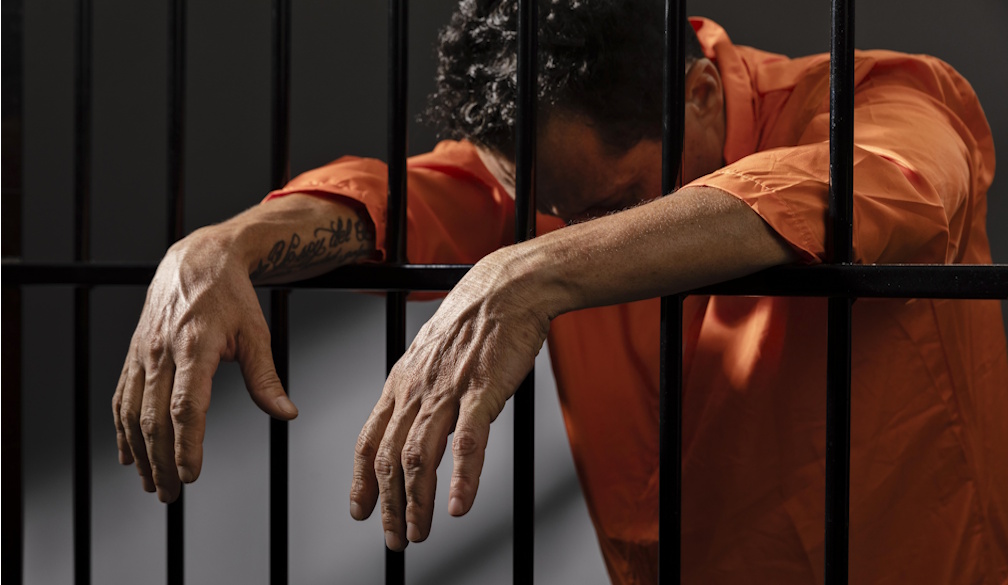
Bail is set by the court when someone is arrested. This allows for release while waiting on trial. People often assume there’s a specific time limit that a person must be released but it is a bit more complicated. There is generally no maximum time someone can stay in jail simply because they haven’t posted bail. Instead, several factors determine how long a person may remain in custody.
No Set Limit for Pretrial Detention
If bail is not posted, a defendant can remain in jail until their case is resolved. This includes through trial, plea agreement, dismissal or sentencing. Some individuals may spend weeks or months in custody before their case is closed.
Some courts and states have specific rules that provide timing guidelines for hearings after an arrest, but these don’t automatically reduce a person’s time in custody just because bail is unpaid. For example, certain state rules may require a detention hearing within a set number of days, but this pertains to decisions about release conditions, not prepaid bail.
Factors That Influence Jail Time Without Bail
A number of variables affect how long someone remains behind bars if they can’t or don’t post bail:
- Court Schedules: The pace of court proceedings is a major factor. Busy dockets, limited court dates, or backlogged calendars can delay hearings and trials, thereby extending pretrial detention.
- Severity and Complexity of Charges: More serious charges often involve longer court preparation and more pretrial motions, increasing the time before a case is resolved.
- Speed of Case Development: Pretrial processes can take time, prolonging pretrial detention if bail hasn’t been posted.
Because of these factors, it’s entirely possible for someone to remain in custody longer than the potential sentence for the alleged crime, simply because the case hasn’t fully progressed through the legal system.
Consequences of Extended Pretrial Detention
Extended time in jail before trial carries significant consequences. Beyond loss of freedom, individuals may face job loss, housing instability, family disruption, and difficulties preparing an effective defense. Studies also show that longer pretrial detention can increase the likelihood of future arrests and have other lasting effects on a person’s life.
It’s also worth noting that while defendants cannot be held without charges for more than a very short period, once they are formally charged, they may remain in custody if bail isn’t posted.
Alternatives to Posting Full Bail
For those who cannot afford to pay the bail amount outright, there are alternatives that may help reduce the time spent in jail. These include release on personal recognizance, supervised release, or support from a licensed bail bonds service.
Conclusion
In most cases, there is no defined time limit on how long someone can remain in jail simply because bail hasn’t been posted. Instead, they can remain in custody through the entirety of the legal process until a resolution. The practical implications of this reality underscore why many individuals and families seek solutions that allow for earlier release, when appropriate, so that life outside the courtroom can continue while their case is pending.


 Business Daily Media