Used Industrial Pumps: Driving Efficiency and Reliability in Fluid Management Systems
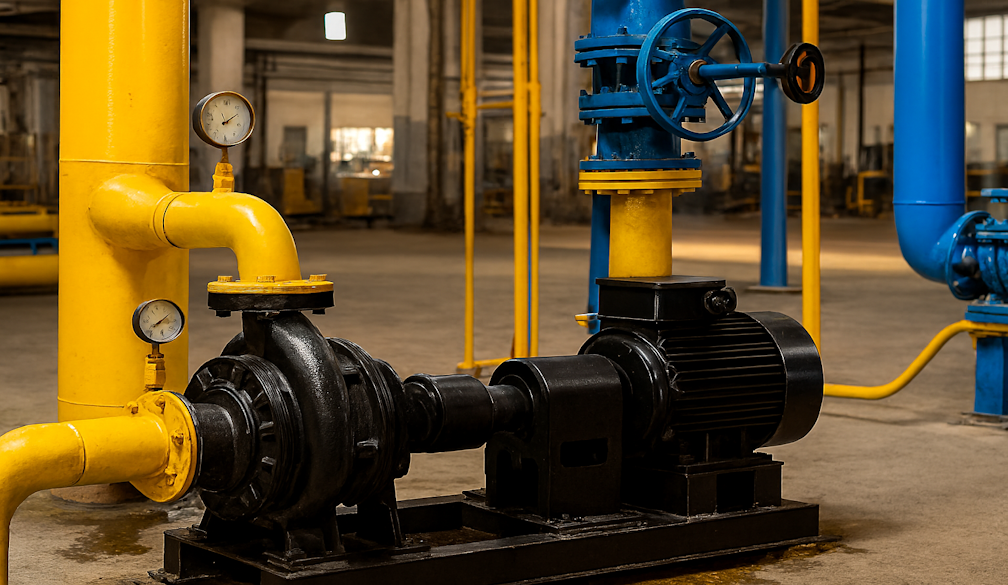
Across Australia’s manufacturing, mining, and construction sectors, fluid handling is a crucial part of daily operations. Whether it’s moving water, chemicals, fuels, or wastewater, reliable pumping systems ensure smooth and continuous processes. The industrial pumps that power these systems are engineered to handle demanding environments where durability, precision, and efficiency are essential. From large-scale factories in Melbourne to agricultural sites and refineries, pumps are the lifeblood of countless industries — keeping production flowing and performance consistent.
As demand for efficient and sustainable equipment grows, many businesses are also turning to used industrial pumps as cost-effective alternatives. High-quality pre-owned pumps, when sourced from reputable suppliers, offer the same reliability and performance as new models, while significantly reducing upfront investment and environmental impact.
The Role of Industrial Pumps in Modern Operations
At their core, industrial pumps are mechanical devices designed to move fluids — whether liquids, slurries, or gases — from one location to another. They provide the pressure and flow needed to transport materials through pipes, systems, and processing lines. Unlike standard domestic pumps, industrial-grade units are built to withstand continuous operation, high pressures, and corrosive or abrasive substances.
In sectors like oil and gas, water treatment, food processing, and pharmaceuticals, pumps form an integral part of production and infrastructure. Without them, systems would grind to a halt — halting manufacturing lines, disrupting utilities, and causing costly downtime.
Different Types of Industrial Pumps and Their Applications
There is no one-size-fits-all solution when it comes to pumping systems. Industrial pumps come in various types, each engineered for specific tasks and fluid characteristics.
Centrifugal pumps are the most common, known for their simplicity and efficiency. They use a rotating impeller to convert mechanical energy into kinetic energy, propelling fluid through the system. These pumps are ideal for moving water, chemicals, and thin liquids in industries such as manufacturing, HVAC, and irrigation.
Positive displacement pumps are designed to move a fixed amount of fluid with each cycle, making them ideal for thicker or viscous substances like oils, pastes, and slurries. These include gear pumps, diaphragm pumps, and screw pumps, commonly used in food production, oil refining, and wastewater treatment.
Submersible pumps are designed to operate underwater, making them suitable for dewatering, drainage, and sewage applications. In mining and construction, these pumps are indispensable for removing excess water and maintaining dry, safe work areas.
Peristaltic pumps are often used in laboratories and chemical industries, where precision and contamination prevention are essential. They move fluids through a flexible tube using a rotating roller system, ensuring no direct contact between the pump mechanism and the liquid.
Each of these designs serves a unique function, but all share one key purpose — to move fluids efficiently, safely, and reliably in the most demanding environments.
Advantages of Investing in Quality Industrial Pumps
High-quality industrial pumps bring several benefits that directly influence operational efficiency and cost-effectiveness. They ensure consistent performance, reduce maintenance needs, and extend equipment lifespan. Precision engineering and durable materials like stainless steel or cast iron enable these pumps to handle high pressures and corrosive fluids with ease.
Energy efficiency is another major benefit. Modern pumps are designed to consume less power while delivering optimal performance, reducing operational costs and environmental impact. Many pumps now incorporate variable speed drives (VSDs), which automatically adjust motor speed based on demand, further improving energy savings.
Reliability is also critical. Industrial operations depend on continuous fluid movement, and pump failures can result in significant downtime. Advanced sealing systems, corrosion-resistant coatings, and vibration control technology all contribute to reducing wear and ensuring uninterrupted operation.
The Growing Market for Used Industrial Pumps
In Melbourne’s evolving industrial landscape, the market for used industrial pumps has grown considerably. Companies looking to reduce capital expenditure without compromising performance are increasingly choosing refurbished or pre-owned units.
Used pumps from reputable suppliers undergo thorough inspection, servicing, and testing to ensure they meet original performance specifications. For many industries, this represents a smart, sustainable investment. It reduces lead times — since used equipment is often available immediately — and offers significant cost savings compared to purchasing new systems.
Furthermore, reusing existing pumps supports circular economy principles by minimising waste and extending the lifespan of valuable machinery. For small to medium-sized businesses, this approach allows them to access top-tier technology at a fraction of the cost.
Applications Across Key Industries
Industrial pumps are found in almost every major sector of Australia’s economy. In water and wastewater treatment, they are essential for distributing clean water and managing sewage. In mining, they handle dewatering, slurry transport, and chemical dosing. The oil and gas industry relies on pumps for refining, transporting, and processing fuels, while the food and beverage sector uses sanitary-grade pumps to handle liquids hygienically.
Pharmaceutical manufacturers depend on precise, contamination-free pumping systems for blending, filtration, and filling operations. Even the construction industry uses heavy-duty pumps for concrete transfer, foundation dewatering, and dust suppression.
This diversity of application demonstrates just how vital pumping technology is to maintaining productivity across multiple disciplines.
Technological Advancements in Industrial Pumping Systems
Modern pumping systems are more advanced and intelligent than ever. Automation and digital monitoring are transforming how industrial pumps are managed and maintained. Smart pumps equipped with sensors can track pressure, temperature, and flow rate in real-time, allowing operators to detect issues before they lead to costly breakdowns.
Integration with IoT (Internet of Things) systems enables remote operation and data analysis, helping companies optimise performance and energy use. Predictive maintenance tools can analyse vibration and fluid characteristics, alerting engineers when components need servicing.
These advancements have made pumps not just mechanical tools but integral components of smart industrial ecosystems that prioritise efficiency and sustainability.
Conclusion
For businesses seeking dependable performance at a lower cost, used industrial pumps provide a practical, eco-friendly solution without compromising on quality. With proper maintenance, smart technology, and energy-efficient design, both new and pre-owned pumps offer long-term reliability that supports productivity and sustainability in equal measure.


 Business Daily Media