How Root Systems Affect Neighboring Plants in Your Garden
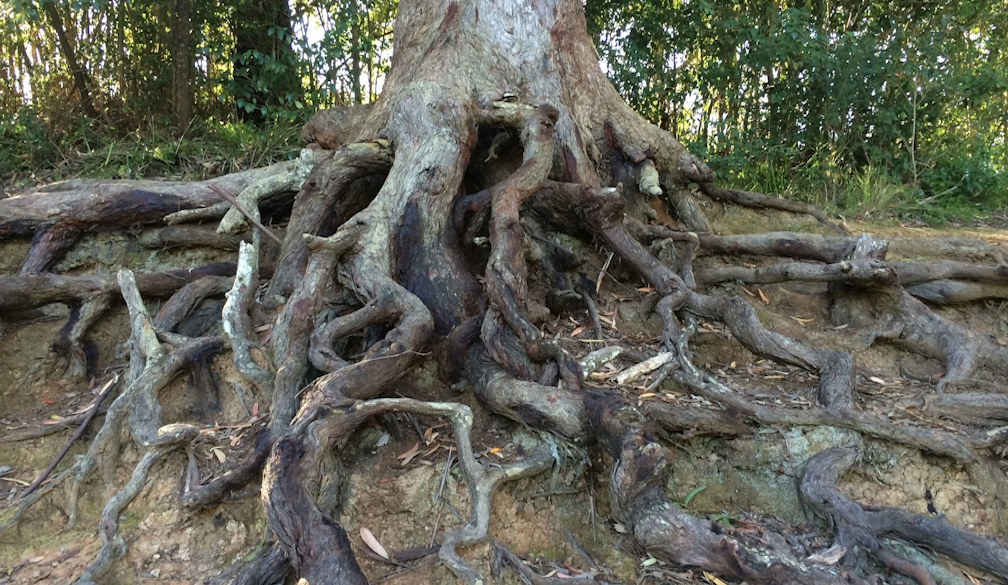
Gardens look calm and peaceful on the surface. Underground paints a totally different picture. Root wars rage constantly beneath those pretty flowers.
Tree roots control underground territory in ways most gardeners never think about until plants mysteriously die despite perfect care. Understanding how tree roots actually behave explains why certain garden spots refuse to grow anything successfully no matter how much sun hits them or how often watering happens.
1. Roots Steal Water Like Bandits
Tree roots spread way past where branches end above ground. That tree sitting fifteen feet from the garden? Its roots probably snake underneath those dying tomatoes, stealing every drop of water before the vegetables get any.
Shallow garden plants can't compete with established tree root systems. Trees win every water fight because their roots go deeper and spread wider than anything else growing nearby.
Extra watering doesn't fix the problem either. More water just feeds trees more, while garden plants still struggle. The real solution involves figuring out where major root zones exist and planting gardens somewhere else entirely.
2. Nutrient Wars Happen Constantly
Tree roots don't just steal water. They grab nutrients too, leaving garden plants starving even in rich soil. That fertilizer added to vegetable beds? Tree roots intercept most of it before tomatoes see any benefit.
Feeding gardens more heavily helps slightly, but it's basically feeding trees at premium prices. Trees get bigger and stronger while gardens stay mediocre despite expensive fertilizer programs.
Root barriers installed during planting help contain aggressive tree roots, but adding them later requires serious digging that might damage trees. Prevention beats trying to fix established root problems.
3. Allelopathy Sounds Fancy But Means Chemical Warfare
Some trees release chemicals from their roots that actively poison surrounding plants. Black walnut trees famously kill tomatoes, peppers, and tons of other vegetables through chemical secretions that nobody can see.
These chemicals don't wash away with water or get neutralized by fertilizer. They're deliberate plant warfare designed to eliminate competition for resources. Gardens planted near these trees fail regardless of care quality.
Knowing which trees wage chemical warfare helps explain mysterious garden failures. The solution usually involves moving gardens far away from problem trees or choosing different trees entirely.
4. Physical Damage Happens Quietly
Growing tree roots lift pavers, crack foundations, and invade plumbing. They also strangle nearby plant roots, wrap around them like pythons, and physically block their growth.
This damage happens slowly and invisibly underground, where nobody notices until plants die or structures crack. By then, root systems are established and incredibly difficult to remove without killing trees.
Regular root pruning near valuable plants helps, but it's ongoing maintenance that most people forget about until problems become obvious and expensive.
5. Shade Changes Everything Too
Tree canopies block the sunlight that garden plants desperately need. This combines with root competition to create impossible growing conditions where nothing thrives except maybe some scraggly weeds.
Sun-loving vegetables planted under trees fail from both a lack of light above and root competition below. It's a double attack that no amount of care can overcome.
Shade-tolerant plants handle low light better but still struggle with root competition. The combination of challenges makes gardening near mature trees frustrating for everyone except people who enjoy failure.
Conclusion
Tree roots control way more garden territory than most people realize until plants start dying mysteriously. Understanding underground root behavior explains countless garden failures that seem inexplicable on the surface. Smart gardening works around tree root zones instead of fighting losing battles against them.
Sometimes the best solution involves accepting reality and planting gardens far away from trees, or choosing trees with less aggressive root systems before problems develop.


 Business Daily Media