Navigating the Financing Maze: A Comprehensive Guide To Commercial Construction Loans
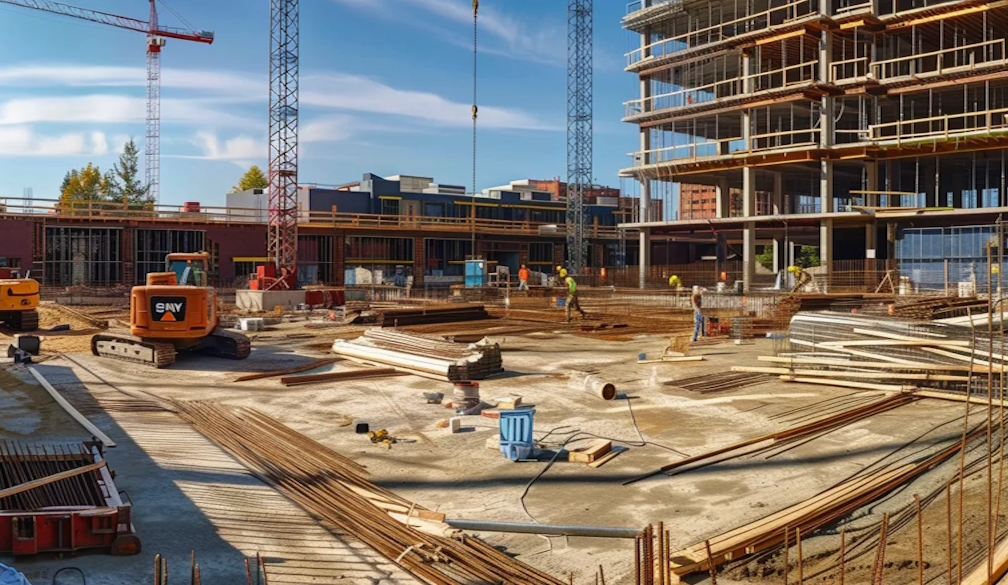
When embarking on a new construction project, investors and developers are faced with an intricate web of financial decisions. At the forefront of these is securing the necessary funding to turn architectural blueprints into a concrete reality. Commercial construction loans are specialized financing options designed to fund the building and development of income-generating projects ranging from office buildings to shopping centers. Understanding the nuances of these loans is crucial for a successful build. In this article, we break down everything you need to know about procuring and managing commercial construction funding. Keep reading to unlock the secrets of effective construction finance management.
Understanding Commercial Construction Loans: What You Need To Know
Commercial construction loans are typically short-term loans that cover the cost of building or renovating commercial properties. Unlike traditional mortgages, these loans are not fully disbursed at closing. Instead, borrowers receive funds in a series of draws, corresponding with the project's milestones. Lenders generally require detailed plans and a realistic construction timeline before agreeing to disburse funds.
Lenders take on significant risk with commercial construction loans, so interest rates may be higher than those of regular commercial mortgages. Borrowers need to demonstrate the profitability and viability of the project. They may also need to inject a substantial amount of equity into the project, ensuring they have a financial stake in its success.
The repayment period for these loans generally corresponds with the construction timeline. Once the project is completed, borrowers often refinance the short-term construction loan into a long-term permanent mortgage. This process can offer more favorable interest rates and a longer amortization period, reducing monthly payments.
Key Differences Between Residential and Commercial Construction Financing
The financing of commercial construction differs significantly from residential projects. Primarily, the scale and complexity of commercial projects demand a more robust financial structure. Commercial loans typically require greater scrutiny due to their larger sums and higher stakes involved. As a result, lenders may implement more stringent underwriting processes.
While residential loans often hinge on the borrower's personal credit and financial history, commercial loans place more emphasis on the project's economic feasibility. The terms of commercial loans, including interest rates and down payment requirements, reflect the heightened risk lenders assume. Furthermore, the repayment plans for commercial loans tend to be shorter in duration, aligning with the expected construction time.
Borrowers must understand these differences to navigate commercial construction financing effectively. Knowledge of the nuances between residential and commercial lending can also play a pivotal role during negotiations, ensuring that developers secure the most favorable terms for their projects.
The Application Process: Documents and Approvals for Commercial Construction Loans
To apply for a commercial construction loan, developers need to prepare a comprehensive package of documents. These generally include the project's business plan, financial projections, architectural drawings, and environmental assessments. The detail and accuracy of these documents can greatly influence the lender's decision.
Additionally, personal and business financial statements are scrutinized. Lenders require evidence of the borrower's capacity to manage construction budgets and repay the loan. This might include tax returns, balance sheets, and cash flow statements. A strong financial foundation increases the chances of loan approval and can result in better loan terms.
Lenders may also require developers to present their track record of completed projects. This serves as proof of their experience and ability to see a project through to completion. New developers or those without an established track record may face more obstacles in securing financing.
Strategies for Securing the Best Terms on Your Commercial Construction Loan
Negotiating favorable terms for a commercial construction loan involves more than just a good credit score. A well-conceived project plan that includes detailed cost estimates, a solid business proposal, and a financial feasibility study can make a compelling case to potential lenders. Demonstrating the project’s potential for success is key to gaining a lender’s confidence.
Developing and maintaining strong relationships within the financial community is also advantageous. Working with lenders familiar with your track record can lead to better terms. Additionally, they may offer valuable advice and help navigate complex financial hurdles that can arise during construction.
Shopping around for the best deal is also critical. By comparing terms from multiple lenders, borrowers may leverage better interest rates and loan covenants. Keep in mind, the lowest interest rate does not necessarily equate to the best overall terms; other loan aspects, such as repayment schedules and drawdown conditions, are likewise important to consider.
Navigating the intricacies of commercial construction loans requires both careful planning and dynamic management. By understanding the particular challenges and opportunities of these loans, developers can position themselves for a successful project and a stable financial future.


 Business Daily Media