Why Energy Efficiency Is the Next Competitive Advantage
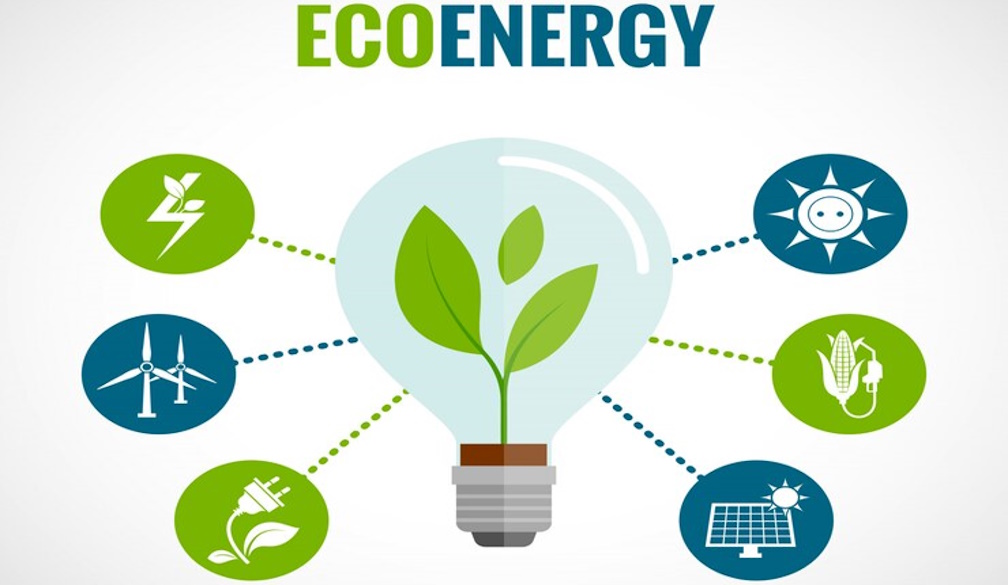
At a time when every business decision is scrutinized for both cost and impact, energy efficiency is emerging not just as a sustainability goal but as a powerful competitive edge. No longer confined to environmental activism, energy-conscious choices are now shaping profit margins, brand reputation, and long-term viability.
Cost Savings That Compound Over Time
One of the most immediate and measurable benefits of energy efficiency is financial. Energy costs can be a significant part of a company’s operating expenses, particularly in sectors like manufacturing, retail, or logistics. Upgrading to LED lighting, investing in efficient HVAC systems, and optimizing industrial equipment can result in substantial energy savings. Over time, these cost reductions compound, improving profit margins and freeing up capital for innovation or growth.
Smaller businesses are especially poised to benefit. By taking steps to reduce waste and manage consumption, they can create leaner, more agile operations that respond better to market shifts and economic pressures.
Regulatory Readiness and Risk Mitigation
Regulatory frameworks across the UK and Europe are tightening in response to climate change. From carbon taxes to emissions targets, companies that fail to plan for sustainability may find themselves facing penalties, restrictions, or the need for costly last-minute changes. Energy-efficient businesses, on the other hand, are better prepared to comply with evolving legislation and can even benefit from tax incentives and grant programs designed to reward sustainable practices.
Proactive energy strategies also reduce exposure to the volatility of fossil fuel markets. By minimizing dependency on traditional energy sources, companies can sidestep price surges and supply chain disruptions.
Brand Differentiation in a Conscious Market
Consumers are more environmentally aware than ever—and they’re willing to reward companies that share their values. Businesses with transparent sustainability strategies stand out in crowded markets. Whether through green certifications, reduced emissions, or a clear commitment to energy efficiency, these efforts resonate with customers and investors.
Energy efficiency can also enhance internal culture. Employees are more engaged when they work for organizations that demonstrate social and environmental responsibility, improving retention and morale.
The Role of Renewable Solutions
Energy efficiency doesn’t stop at using less—it extends to using better. Businesses are increasingly investing in renewable energy solutions like solar PV systems to power operations cleanly and consistently. These technologies not only reduce environmental impact but also offer long-term control over energy costs.
For businesses exploring this route, companies like rechargerenewable.co.uk provide commercial solutions tailored to different sectors, helping organizations meet sustainability targets without compromising performance.
The Future Belongs to the Efficient
As the global economy moves decisively toward decarbonization, businesses that fully embrace energy efficiency will survive and thrive in this new landscape. This shift goes beyond environmental responsibility; it is a strategic necessity that enhances competitive advantage in today’s market.
Energy efficiency is becoming a key indicator of operational excellence, highlighting companies that prioritize sustainable practices. In the coming years, this focus on energy optimization will be crucial in determining which businesses succeed and which are recognized as leaders in the transition to a sustainable future. The path forward is clear: those who take decisive action today will shape the industries of tomorrow.


 Business Daily Media