New generation communications workflow platform launches in Australia
- Written by: NewsServices.com

A brand-new workflow solution for communications professionals launches today. Designed to empower PR agencies, in-house comms teams and freelancers with the tools only otherwise available to large agencies.
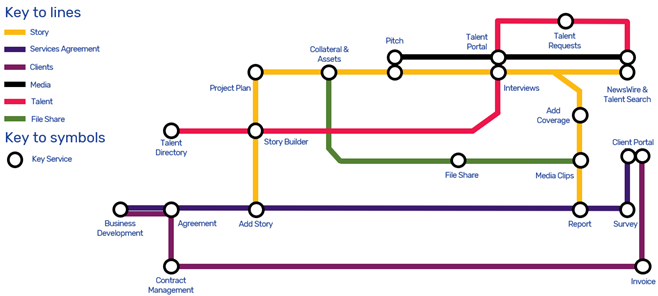
BUZZHub provides one central hub delivering work-anywhere access to contacts, campaign assets, pitching and reporting capabilities. Whilst automation and a single source of information deliver time and cost efficiencies.
Research reveals that the majority (83%) of global communicators believed that technological innovations would be a significant driver of change in the industry.1 Yet, despite other industries having workflow solutions, communication professionals continue to use a mirage of products to deliver their daily work.
Commenting on efficiencies, BUZZHub Managing Director, George van Velzen says, “Using technology not only becomes strategic, but it also becomes critical, especially in a talent lean industry.”
Unlike other industry solutions that focus on specific areas like media contacts, pitching or reporting, BUZZHub offers a complete workflow solution. George says, “We like to think of it as a ‘business in a box’, with our missions being that BUZZHub delivers everything from business intelligence to delivery.”
The new workflow platform provides complete oversight of past and present workload and can create anything from a sales contract, media pack, coverage report or invoice. Its integrated portals provide content for talent, clients and the media. Whilst business leaders gain oversight of business performance from time spent on activities, sales pipeline, and surveys.
Time is a critical factor in all industry communications, therefore automating and simplifying the steps in planning, pitching, and reporting is key to create a more efficient, profitable, and productive way of working,” George says.
By being built specifically with communication professionals in mind by those in the industry, the specialised workflow platform will be the new best friend of any communicator looking to improve how they work.
Communication professionals are encouraged to rethink how they manage communications. To register for a demonstration or for more information visit www.buzzhub.online.
About BUZZHub
BUZZHub is an all-in-one PR solution for Agencies and In-house Comms Teams. The tool is an end-to-end workflow solution for communications, providing a central location to manage engagements, develop business leads, manage contracts, build, and execute a communication strategy, pitch to the media and report.
About the Research & Citations
The sample included in the analyses encompasses 1,563 responses from PR professionals, of which 803 were PR professionals working in agency/consultancy establishments and 760 working as in-house PR professionals. 65.6% of the PR professionals were from the United States and the remaining 34.4% from other countries.