

Samsara Eco forms first Scientific Advisory Board
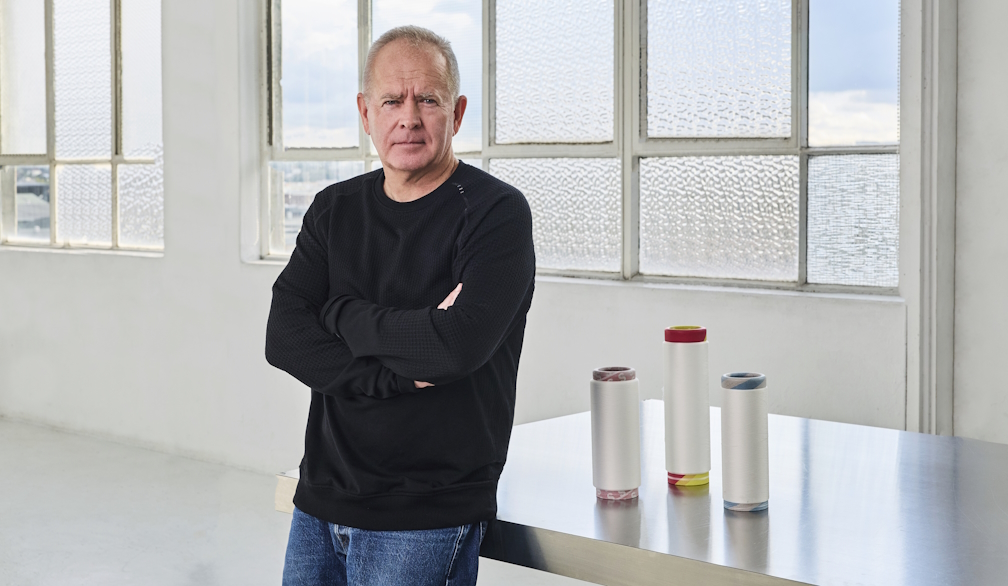
Samsara Eco, the enviro-tech innovator, has today announced the formation of its Scientific Advisory Board as it brings infinite recycling to-market. Members of the board, Dr. Sean Simpson (co-founder, LanzaTech), Dr. Gregg Beckham (Senior Research Fellow and Group Leader at National Renewable Energy Laboratory, Colorado, USA) and Professor Sang Yup Lee (Senior VP for Research, KAIST) bring a wealth of collective experience and passion for sustainability to help Samsara Eco tackle the plastics crisis.
Established to provide specialised expertise and guidance, the Scientific Advisory Board will work alongside Samsara Eco’s team to accelerate its enzymatic recycling technology and bring Samsara Eco one step closer to eliminating plastic waste, ensuring it never ends up in landfill or incinerated.
“The Scientific Advisory Board is the next step in Samsara Eco’s growth journey, enabling us to demonstrate our best-in-class technical expertise to help us deliver climate repair. Our advisors are the pre-eminent researchers in their fields, and we are proud to have assembled the most qualified group of scientists to help drive our scientific endeavours. This global expertise will become even more important as we bring our technology to-market,” said Paul Riley, CEO and Founder of Samsara Eco.
With their unparalleled expertise and dedication to advancing sustainable solutions, the Scientific Advisory Board will work alongside Samsara Eco’s existing R&D team and play a pivotal role in guiding its strategic initiatives and shaping the future of Samsara Eco. The leaders include:
● Dr. Sean Simpson: The co-founder of LanzaTech, a carbon recycling business, Dr Simpson brings decades of experience in pioneering the commercialisation of gas fermentation processes and fostering sustainable practices. Sean has over 200 patents and received numerous prestigious awards, including the U.S. Environmental Protection Agency Presidential Green Chemistry Award.
● Dr. Gregg Beckham: A distinguished Senior Research Fellow and Group Leader at the National Renewable Energy Laboratory, is renowned for his groundbreaking work in biomass conversion and plastics upcycling. Dr Beckham is the founder of the DOE-funded BOTTLE Consortium and a key contributor to discussions on tackling the plastics dilemma.
● Professor Sang Yup Lee: A globally recognised expert in biotechnology and metabolic engineering, Professor Lee is known for pioneering advancements in systems biology, synthetic biology, and industrial biotechnology. Professor Lee holds over 800 patents and is recognised for his award-winning research and contributions to sustainable bioprocesses and bio-based products.
“Samsara Eco’s Scientific Advisory Board is focused on helping the company to scale its technology and offer a pathway for a range of industries to meet circularity goals and create products that reduce the impact on our environment. My co-founder and I built LanzaTech from scratch, and I’m looking forward to applying what I learned scaling a sustainable innovation to ultimately help Samsara Eco grow,” explained Dr. Sean Simpson.
“In our current recycling system, less than 10% of plastic is recycled. For the plastic that is recycled, it only gets a few turns before being sent to landfill. Samsara Eco’s mission to end the plastics crisis through sustainable and innovative recycling solutions is what initially drew me to the Scientific Advisory Board. I am dedicated to partnering alongside Samsara Eco to change how we approach plastics recycling,” said Dr. Gregg Beckham.
“I look forward to working with Samsara Eco to scale the impact of its groundbreaking enzymatic recycling solution. The Scientific Advisory Board is an opportunity to accelerate Samsara Eco’s capabilities and support a range of industries to meet their sustainability and decarbonisation goals,” concluded Professor Sang Yup Lee.
About Samsara Eco
Samsara Eco is using advanced, enzymatic recycling to end plastic pollution. With breakthrough science, Samsara Eco has developed a new way to break plastic down to its core molecules, which can then be used to recreate brand-new plastic, again and again. Its patented technology, EosEco™ is a first-of-its-kind process that is genuinely better for the planet.
Samsara Eco’s community is united by the shared mission to divert plastic from our landfills and oceans, and remove the need for humanity to create plastic from fossil fuels, (whether it’s for the bottles we drink from or the clothes we wear) for a cleaner and more sustainable future.
In partnership with the Australian National University (ANU), Samsara Eco launched in 2020 with the backing of Main Sequence and Woolworths Group’s W23. It has raised more than AUD $160M in funding from local and global investors including Breakthrough Victoria, DCVC, Hitachi, lululemon, Temasek, Wildcard Ventures, Wollemi Capital and more.






