Proposed new laws risk reducing flexibility for casuals

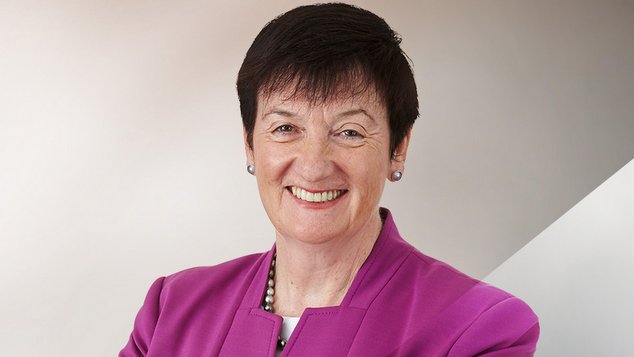
Higher take home pay and the flexibility to work when you want could be at risk under the government’s proposed changes to casual work, just when the cost of living is skyrocketing, Business Council chief executive Jennifer Westacott said.
“The government wants to create a new test on how a casual worker is defined and that could mean people who have a regular pattern of work can no longer be a casual employee.
“For example, a university student who fits work around their study to suit each semester would always work these regular hours on a casual arrangement, even though that student’s availability might change in the next semester.
“This proposal will make it harder for people to work an extra shift for that extra pay they need to make ends meet.
“People are struggling with a skyrocketing cost of living; they’re paying more for their mortgages or rents and they are anxious about the direction of the economy.
“Australia’s economy is staring down the face of a recession, so limiting someone’s ability to work, reducing flexibility and creating complexity for small businesses, in particular, cannot come at a worse time.
“Restricting casual work is a huge concern, given that one in four Australians choose to be employed as casual workers - a number that hasn’t changed for almost two decades - and receive the 25 per cent loading immediately instead of things like leave.
“That’s particularly the case for young people.
“Research commissioned by the Business Council shows that when it comes to considering a new job, people aged 18 to 34 most value the flexibility of a role. Casual work works for them.
“Any move to re-define the notion of a casual employee would also overturn the clear and reliable test that was legislated just two years ago.
“What we need is a vision that demonstrates how Australians can get ahead, not the roadblocks to flexibility and workplace innovation the government is proposing. “