Why SMEs Are Turning to Southeast Asia for Cost-Effective Bleisure Retreats
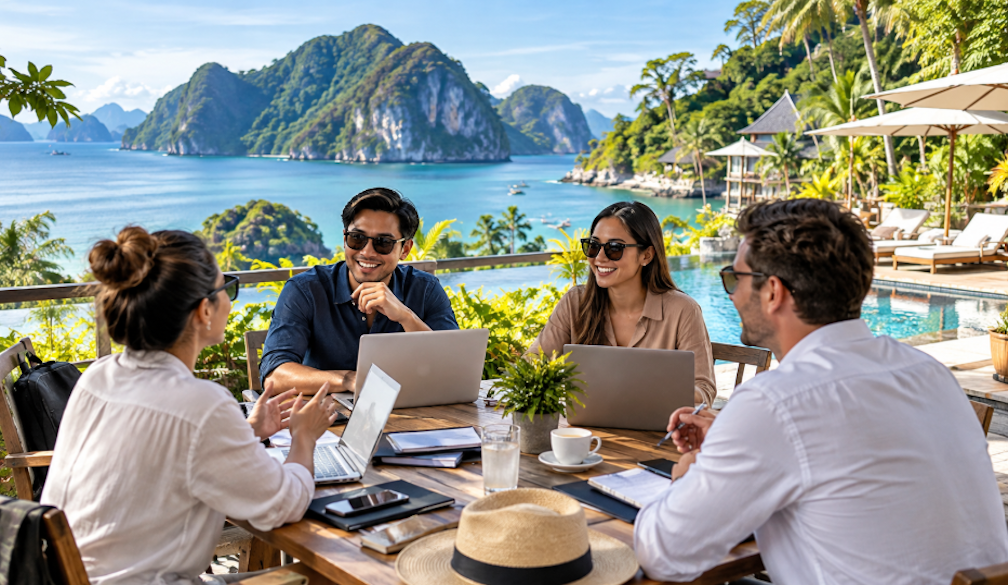
The corporate travel landscape has undergone a massive transformation in recent years, particularly for small and medium enterprises. Rigid, point-to-point business trips are quickly becoming a relic of the past, replaced by itineraries that actively encourage downtime. The Australian business travel market has grown significantly, and the surge in blended travel is acting as a primary growth driver as companies prioritise work-life balance. This shift toward combined itineraries is undeniable. According to recent data from the Global Business Travel Association, nearly half of corporate travel buyers report their employees are taking more bleisure trips now than a year ago. For Australian SMEs looking to optimise their budgets while keeping their teams motivated, Southeast Asia has emerged as the ultimate destination for these combined business and leisure retreats.
Maximising SME Travel Budgets Without Sacrificing Comfort
While large corporations might have limitless travel budgets, SMEs must be far more strategic with their spending. FCM Consulting's Global Hotel Strategies Report highlighted that business travellers across the Asia Pacific region are extending their stays, increasing the demand for workation-friendly spaces that balance professional environments with lifestyle amenities. However, with premium luxury hotel rates in key APAC markets forecasted to rise between three and eight percent, companies are rethinking their accommodation strategies to maintain cost efficiency.
Instead of overspending on luxury resort properties, savvy travel planners are looking at accessible commercial districts that offer a balance of professional amenities and lifestyle perks. For example, selecting a premium four star hotel in Sukhumvit property allows visiting professionals to stay right in the heart of Bangkok without the five-star price tag. This specific positioning provides immediate access to major commercial office buildings, high-end dining, and the BTS Skytrain network. Proximity to these transit nodes ensures travellers can bypass heavy urban traffic and make the absolute most of their limited leisure hours between corporate obligations.
Combating Executive Burnout Through Blended Itineraries
Modern professionals are facing unprecedented levels of workplace stress. A recent workplace study by DHR Global revealed that a staggering 83 percent of workers are currently experiencing some degree of burnout. Despite this overwhelming exhaustion, a Hilton survey showed that 51 percent of employees feel guilty asking for traditional time off. Employer-sponsored blended travel has therefore become a highly effective way to enforce necessary downtime without the associated guilt.
Industry coverage exploring how the bleisure boom is redefining corporate retreats in Southeast Asia highlights that these blended trips offer businesses a strategic way to combat executive fatigue. By extending a standard business trip by just a few days, companies give their staff a structured chance to decompress. Furthermore, research indicates that 59 percent of Generation Z professionals specifically choose to work for companies that offer blended travel flexibility. This makes bleisure not just a perk, but a critical talent retention tool in a highly competitive market where work-life balance is a top priority.
Why Thailand Remains a Top Corporate Corridor
Thailand continues to position itself as Southeast Asia's premier hub for corporate events and team retreats. The local MICE (Meetings, Incentives, Conferences, and Exhibitions) market has experienced robust post-pandemic growth, reaching an estimated 4.8 billion dollars in recent research. The strategic expansion of industry showcases in Bangkok highlights the country's ongoing commitment to business tourism and corporate innovation.
For Australian SMEs, Southeast Asia offers several distinct advantages for bleisure travel:
- Exceptional Value: Corporate budgets stretch significantly further in Thailand compared to domestic or European destinations, allowing SMEs to upgrade meeting facilities and team dinners while still saving money.
- Transit Efficiency: Properties located near major transit nodes like the BTS Nana station seamlessly integrate business activities with off-duty exploration, cutting down on travel friction.
- Wellness Integration: The region is globally renowned for its wellness culture, giving employees easy access to relaxation spaces that directly alleviate work-related stress.
- Strategic Location: Asia remains a highly active corporate corridor, making it an ideal middle ground for remote or hybrid teams to gather, collaborate, and innovate face-to-face.
The evolution of corporate travel proves that business and leisure are no longer mutually exclusive. Recent data from Corporate Traveller notes that a vast majority of SME employees now actively blend their trips, marking a massive shift away from rigid corporate schedules. For SMEs, blending the two is a highly pragmatic approach to travel management. By choosing strategic destinations in Southeast Asia, business owners can protect their bottom line while actively investing in their team's mental health and overall job satisfaction. As the bleisure trend continues to grow, companies that embrace these flexible travel policies will undoubtedly secure a stronger, more resilient workforce.


 Business Daily Media